Storm crosses coast near Ongole
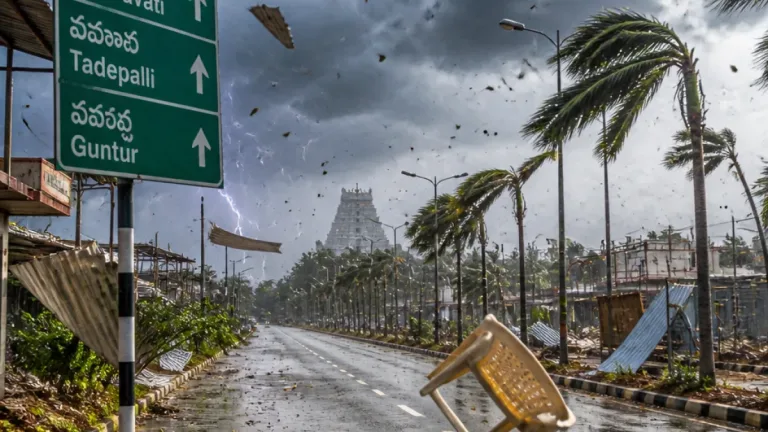
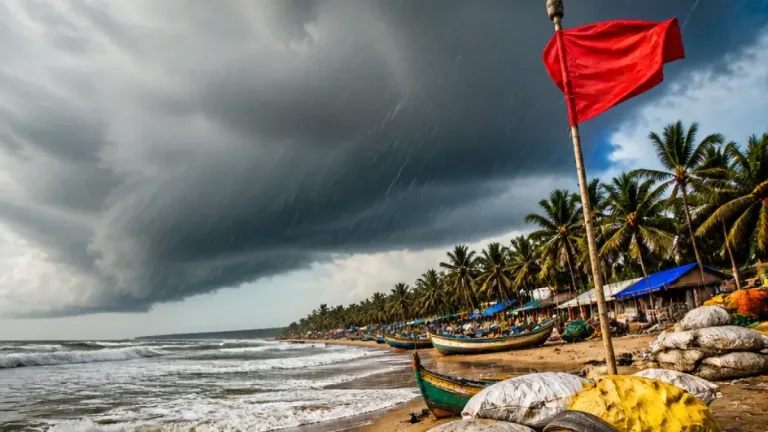
Severe Cyclonic Storm Murasu crossed the south Andhra Pradesh coast early on Tuesday, bringing heavy rain and powerful winds that damaged standing crops, electricity infrastructure, fishing boats and road and transport networks across several coastal districts.
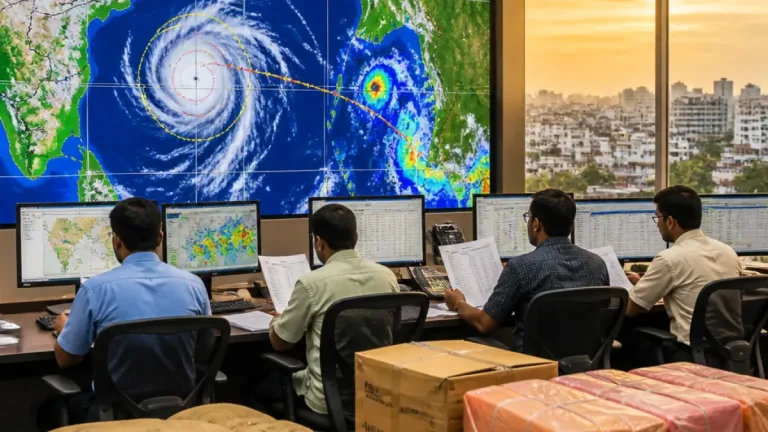
The India Meteorological Department said the system moved across the coast between Nellore and Narasapur, close to Ongole, during the period from 3.30 am to 5.30 am. At the time of landfall, the cyclone carried sustained winds of 100-110 kmph, with gusts reaching 120 kmph. Ongole and adjoining coastal areas experienced particularly severe weather as the system moved inland.
“The landfall process of Cyclone Murasu has started along the South Andhra Pradesh coast.”
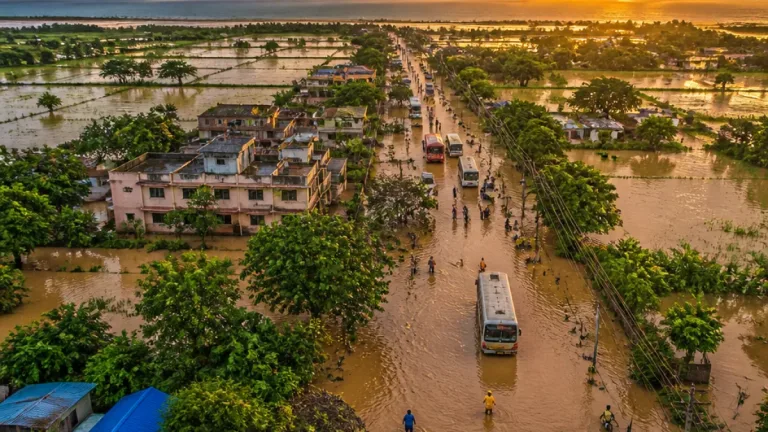
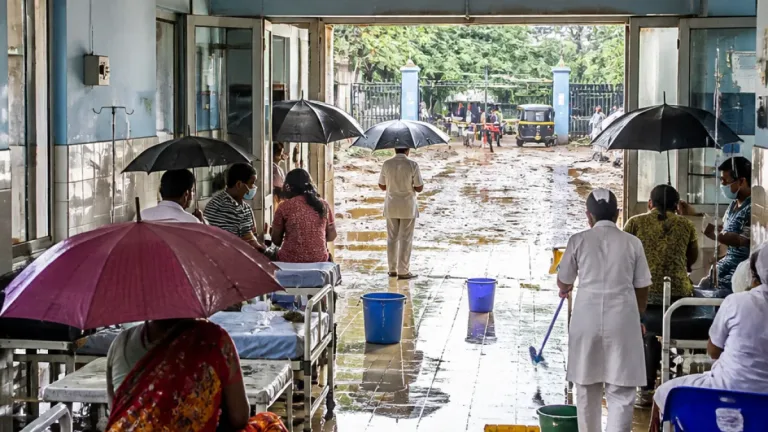
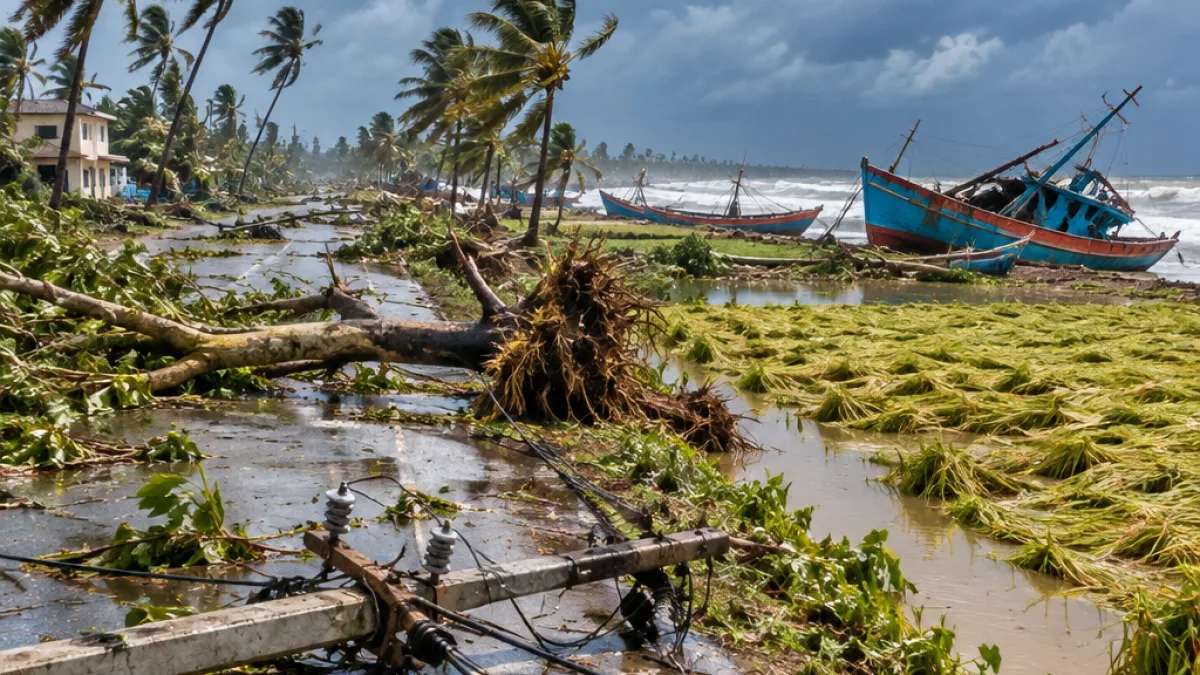
The storm’s passage was accompanied by gale-force winds, intense rainfall and local flooding. Thousands of trees were uprooted in affected areas, while hundreds of electricity poles were reported damaged. The disruption to power infrastructure is likely to affect households, irrigation-related activity, communications and commercial operations until restoration work is completed.
Rainfall and coastal impact
Bapatla recorded the highest district-average rainfall of 40.02 mm between 8.30 am on Monday and 5 am on Tuesday, according to the available weather data. The rainfall came as the cyclone approached and crossed the coast, adding to the pressure on drainage systems and low-lying locations.
Fishing communities also suffered losses, with boats damaged by the storm conditions. The impact on the fishing sector extends beyond the physical damage to vessels, as adverse sea conditions and disruption along the coastline can affect access to fishing grounds, landing activity and local fish markets. The source report did not provide a monetary estimate of the damage.
The immediate impact reported across the affected districts includes:
- Standing crops: Extensive damage was reported in fields in coastal areas.
- Power supply: Hundreds of poles and other electricity infrastructure were affected.
- Transport: Road and other transport services were disrupted in several locations.
- Fishing: Boats were damaged along the coast.
- Vegetation: Thousands of trees were uprooted by strong winds.
System expected to weaken
The weather agency said Murasu was likely to weaken into a cyclonic storm by Tuesday noon and subsequently into a deep depression by midnight. As the system weakens, the most immediate focus will shift from coastal wind damage to rainfall-related flooding, blocked roads, fallen trees and the restoration of essential services.
The storm was moving north-northwestwards at a speed of about 8 kmph during the six hours preceding the IMD update. At 5.30 am, its centre was located over south coastal Andhra Pradesh, close to Ongole and about 40 km southwest of Bapatla. It was also positioned approximately 80 km north-northeast of Kavali, 120 km west-southwest of Machilipatnam and 130 km north of Nellore.
| Indicator | Details |
|---|---|
| Landfall zone | Between Nellore and Narasapur, close to Ongole |
| Landfall period | 3.30 am to 5.30 am on Tuesday |
| Wind speed | 100-110 kmph, gusting to 120 kmph |
| Highest district-average rainfall reported | 40.02 mm in Bapatla |
| Expected weakening | Cyclonic storm by noon; deep depression by midnight |
Concerns for agriculture and restoration
For farmers, the damage to standing crops comes at a critical stage because the loss is not limited to the immediate fall of plants. Waterlogging, lodging of crops and delayed access to fields can affect harvesting, drying and the movement of produce to markets. The available report describes the agricultural losses as extensive but does not identify the affected crops or provide a district-wise assessment.
Restoration of electricity will be important for both households and the rural economy. Damaged poles and lines can interrupt irrigation, cold storage, small processing units and other farm-linked activities. Transport disruption may further delay the removal of harvested produce and the arrival of essential supplies in affected coastal communities.
With the storm weakening, authorities will have to assess damage to roads, power lines, trees, boats and crop fields while continuing to monitor rainfall. The scale and financial value of the losses will become clearer after field inspections and district-level assessments are completed. Until then, the principal challenge remains the safe clearance of affected routes and the restoration of basic services in the cyclone-hit areas.