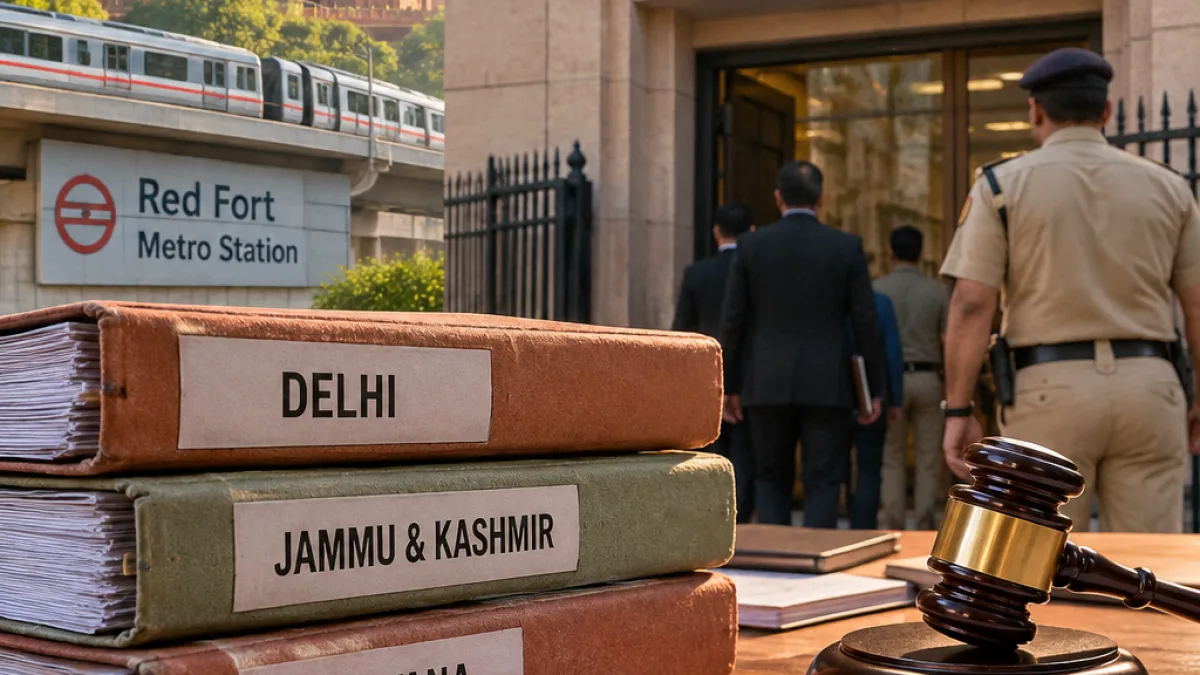
New Delhi: The Supreme Court on Monday ordered the transfer of two criminal cases arising from the November 2025 Red Fort Metro station blast to Delhi, allowing proceedings spread across different jurisdictions to be brought before a special National Investigation Agency court in the national capital.
A Bench of Justices Prashant Kumar Mishra and Shree Chandrashekhar passed the order on a petition moved by the NIA. Alongside transferring the two cases from Jammu and Kashmir and Haryana, the court permitted the clubbing of three FIRs registered in Delhi, Jammu and Kashmir and Haryana in connection with the wider investigation.
The order creates a single judicial track for cases that, according to the investigation, involve overlapping accused persons and common evidentiary material. The proceedings will now be conducted jointly before the designated special NIA court in Delhi. The court's decision is procedural and does not determine the guilt or innocence of any accused.
Blast near Red Fort Metro station
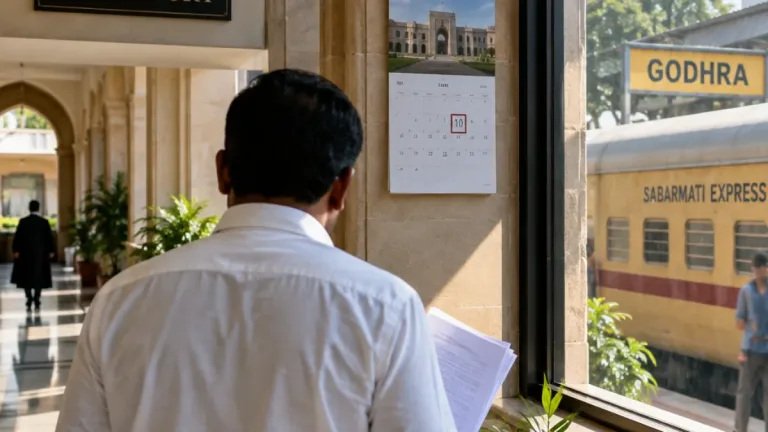
The case relates to the explosion of a Hyundai car on November 10, 2025, near Gate No. 3 of the Lal Qila, or Red Fort, Metro station in Delhi. The blast killed 11 people and triggered investigations in several states because of the alleged links among the people and material being examined by different agencies.
The NIA has identified the vehicle's driver as Dr Umar Un Nabi, who was associated with Al-Falah University in Faridabad. During the early stage of the probe, Delhi courts remanded key suspects, including Amir Rashid Ali, to the agency's custody.
Investigators have described the alleged network as a “white-collar” terror network involving educated professionals, including doctors. The investigation has referred to this alleged arrangement as the “doctor module”, with the central agency examining the conspiracy, the roles of individual accused and the evidence collected across the three jurisdictions.
“White-collar” terror network comprising educated professionals, including several doctors.
Cases across three jurisdictions
The geographical spread of the investigation had resulted in parallel proceedings. The Jammu and Kashmir Police's State Investigation Agency arrested 10 accused persons, including four doctors, in its part of the probe. One of those arrested has also been chargesheeted in the Delhi blast case, according to the investigation details placed before the court.
The Supreme Court's decision means that the FIRs will no longer proceed as separate matters in different courts for the purpose of the joint trial. By bringing them together, the order places the linked allegations and material before one special court, responding to the NIA's request for a coordinated adjudication of the alleged conspiracy.
| Aspect | Details |
|---|---|
| Blast date | November 10, 2025 |
| Location | Near Gate No. 3, Lal Qila Metro station, Delhi |
| Fatalities | 11 |
| FIRs to be clubbed | Three |
| Trial court | Special NIA court, Delhi |
What the transfer changes
For the prosecution, the principal effect of the order is administrative and judicial consolidation. The agency will present the linked cases before one court rather than pursuing separate proceedings based on the same alleged conspiracy. This can reduce the possibility of parallel examination of overlapping witnesses and evidence, while ensuring that the related allegations are considered within a common trial framework.
The investigation, however, remains subject to the ordinary requirements of criminal proceedings. The prosecution will have to establish its allegations through admissible evidence, while the accused will retain the right to contest the charges in court. The transfer order itself does not amount to a finding on the merits of the case.
- Two cases have been shifted from Jammu and Kashmir and Haryana to Delhi.
- Three FIRs registered across Delhi, Jammu and Kashmir and Haryana will be heard together.
- The joint proceedings will take place before a special NIA court in the national capital.
- The probe includes allegations concerning an organised network and the so-called doctor module.
The court's order marks the next significant judicial step in a case that began with a deadly blast in the capital and expanded into a multi-state investigation. With the proceedings now centralised in Delhi, the special NIA court will handle the connected cases arising from the alleged terror conspiracy.