New Delhi: More than 100 protesters were detained on Friday as hundreds of demonstrators — comprising students, farmers and civil society activists — staged a march in central Delhi to press for the rollback of the Special Intensive Revision (SIR) of electoral rolls and the resignation of Chief Election Commissioner Gyanesh Kumar.
March to ECI headquarters, heavy deployment
The protest, organised by the Delhi Coordination Committee of People Against SIR, began near Gole Dak Khana shortly after noon and moved along Ashoka Road towards the Election Commission of India (ECI) offices. Police deployed in large numbers across central Delhi contained the march and asked demonstrators to disperse at around 2pm. As the procession proceeded, scores of participants were taken into custody.
Authorities invoked Section 163 of the Bharatiya Nagarik Suraksha Sanhita, a provision that allows restrictions on unlawful assemblies under specified circumstances, in the area, according to police sources.
Who joined the protest
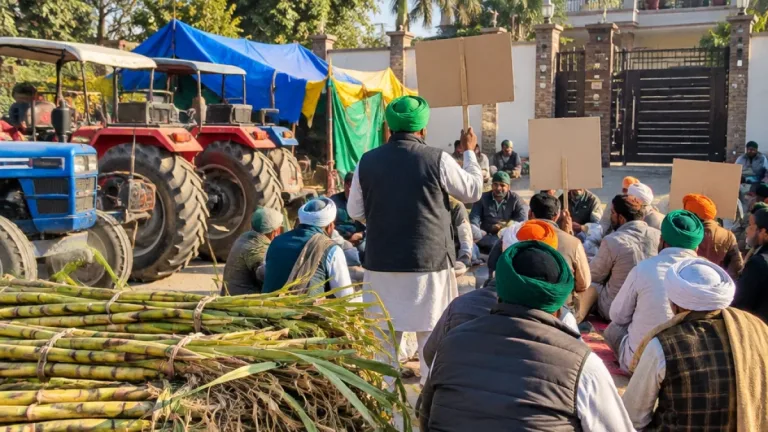
Participants included student groups, farmer representatives and members of civil society organisations. Demonstrators came not only from Delhi but also from neighbouring states — including Haryana and western Uttar Pradesh — underlining the wider reach of the campaign against SIR.
- Protest size: several hundred participants (organisers' description)
- Detentions: over 100 people were detained by police
- Geographic spread: demonstrators travelled from Delhi, Haryana and western Uttar Pradesh
Demands and slogans
Marchers carried the national flag and raised slogans accusing the Election Commission's exercise of resulting in "unfair" deletions from the voters' list. Chants included calls for the chief election commissioner to quit and for SIR to be halted.
“The chief election commissioner must resign, SIR must be withdrawn, and the country must return to ballot-based electoral processes.”
The People Against SIR collective has demanded that electoral rolls be restored to their pre-2024 version and be updated through social audits, following the ECI manual and Comptroller and Auditor General guidelines.
Voices from the march
Among those who travelled to Delhi were farmers from Uttar Pradesh keen to ensure rural voters are not disenfranchised. A farmer from Sambhal said he had travelled nearly 150 km to join the protest, adding that they would "continue this struggle". A retired civil engineer from Dwarka called for the chief election commissioner’s resignation and urged the government to stop what he described as "vote theft".
Students and youth groups present at the rally emphasised that protests were not limited to the capital and highlighted planned actions across the country.
Spread of protests nationwide
Organisers said demonstrations were planned in multiple locations across India, signalling a coordinated campaign against the SIR exercise. According to the organisers, protests are intended in 88 cities across 18 states, reflecting widespread concern among disparate groups about the impact of the revision on electoral participation.
| Item | Reported figure |
|---|---|
| Detentions in Delhi | Over 100 |
| Cities with planned protests | 88 |
| States involved | 18 |
Context and implications
The SIR, launched by the Election Commission, has become a flashpoint with critics alleging it has led to large-scale deletions from the electoral rolls and could disenfranchise vulnerable groups. Protesters pressed for restoration of the voters' list to its pre-2024 state, and for any roll revisions to be conducted through transparent social audits and established ECI procedures.
For the administration in Delhi, the immediate challenge was to balance the right to protest with maintenance of public order around central government and constitutional offices. The invocation of Section 163 of the BNSS reflects a preventive approach used by police to manage assemblies they regard as potentially unlawful under the circumstances stated in the statute.
What organisers seek next
Organisers said the demonstrations would continue in other cities and urged more citizens to join local actions. They have demanded an independent review of deletions and a cessation of the current revision process until concerns are addressed through audits and judicial or parliamentary scrutiny.
Police have not released a detailed breakdown of those detained or given an official count beyond the figure of "over 100". The Election Commission has not issued an immediate statement in response to Friday’s march, and it remains to be seen whether the protests will force changes to the ongoing revision process or trigger legal challenges.
Coverage will continue as more information, official responses and legal developments become available.