Education union representatives from Albania, Bosnia and Herzegovina, Bulgaria, Kosovo and Slovenia convened in Sofia for a three‑day forum under Education International’s Go Public! Fund Education campaign to discuss ways to secure long‑term public investment in schools and to rebuild the teaching profession.
Forum focus: funding, working conditions and teacher supply
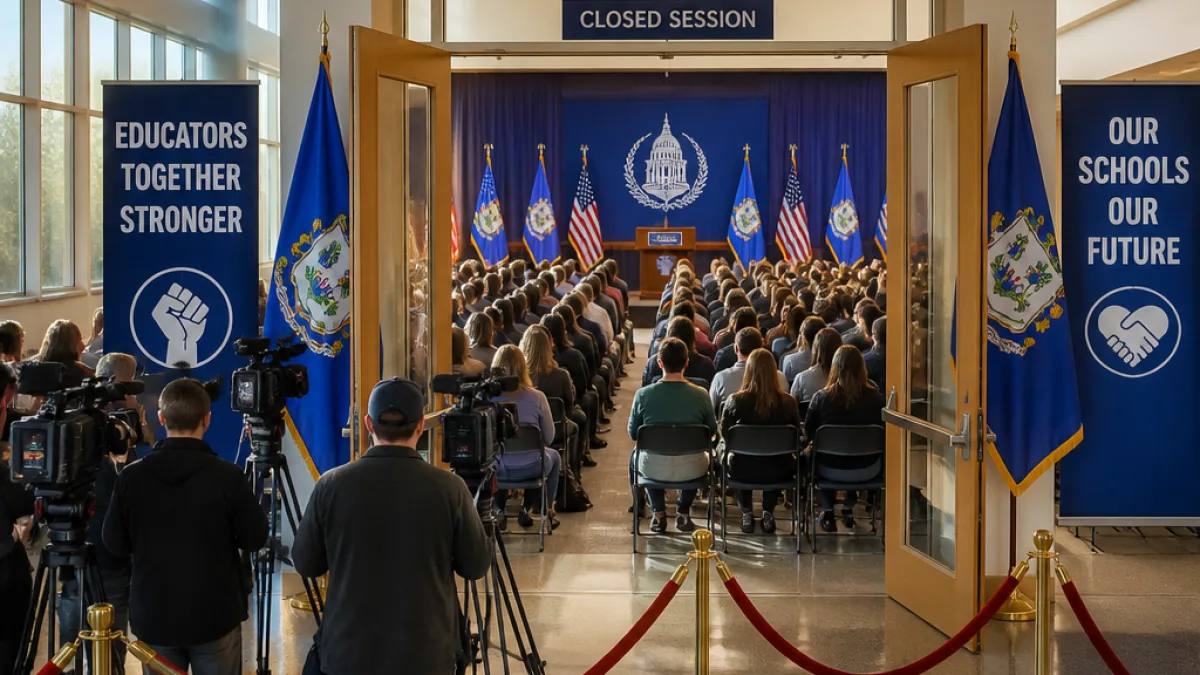
Hosted by the Bulgarian Teachers’ Union (SEB), the gathering brought together union delegates, national education officials and members of the European Trade Union Committee for Education (ETUCE). The meeting centred on practical strategies to tackle an accelerating teacher shortage, improve employment conditions and make the profession more attractive to new entrants.
Participants examined the recommendations of the United Nations High‑Level Panel on the Teaching Profession and considered how national policies must adapt to changing social realities, technological shifts and demographic pressures to ensure sustainable, high‑quality public education.
"The importance of recognising education as a strategic investment rather than a budgetary cost," SEB President Yanka Takeva said in opening remarks.
Social dialogue and cross‑sector engagement
The forum highlighted social dialogue as a central mechanism for shaping effective education policy. Bulgarian education authorities and members of parliament took part in discussions alongside union representatives, an arrangement attendees identified as vital for creating conditions that attract and retain qualified teachers.
Delegates exchanged national experiences and explored regional coordination to confront shared problems such as declining teacher numbers, inadequate funding, and strained working conditions. The meeting aimed to translate international recommendations into national actions.
- Key priorities: securing adequate public funding; improving teachers’ pay and conditions; strengthening recruitment and retention.
- Policy levers discussed: implementing the UN panel’s recommendations; enhancing social dialogue; tailoring responses to demographic and technological change.
- Participants: teacher unions, national education authorities, ETUCE and Education International representatives.
Regional response to common challenges
While recognising the distinct national contexts across the region, delegates emphasised that many countries face analogous pressures on their education systems. The forum served as a space to forge common approaches and to identify shared advocacy priorities for national governments and regional bodies.
The gathering underscored that investing in teachers — through improved conditions, career‑long professional development and stable funding — is a prerequisite for meeting international education goals, including Sustainable Development Goal 4 on inclusive and equitable quality education.
| Country | Representation |
|---|---|
| Albania | Union representatives |
| Bosnia and Herzegovina | Union representatives |
| Bulgaria | Bulgarian Teachers' Union (SEB); national authorities |
| Kosovo | Union representatives |
| Slovenia | Union representatives |
The forum is part of Education International’s broader campaign to press governments to prioritise public funding for education. Delegates stressed that without sustained investment and political commitment, teacher shortages and deteriorating working conditions will undermine efforts to deliver quality public education.
For national education policymakers, the discussions in Sofia offer insights into how collective bargaining, legislative changes and targeted investment can be combined to strengthen the teaching workforce and safeguard access to public education in the longer term.