Survivors of recent wildfires, floods and other extreme weather events in the United States are organising into a political force, driven by frustration with disaster response and concern about the role of climate change in intensifying such events, according to reporting by the Guardian.
From trauma to collective action
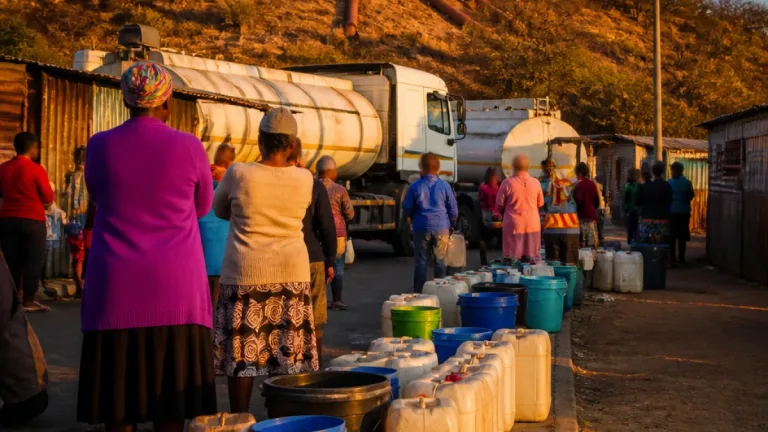
Organisers say the group of people affected by extreme weather has expanded rapidly, and that those who have suffered loss or displacement are beginning to press lawmakers for better disaster relief and for depoliticised aid. The phenomenon, while still emerging, is being framed by activists as both a constituency and a potential electoral force.
“The group has grown, sadly, quite rapidly,” said Sierra Kos, a film-maker who co-founded Extreme Weather Survivors after being caught in toxic smoke from wildfires in rural Oregon in 2020 while trying to take her son to medical care, the Guardian reported. Kos added:
“I am positive though that survivors of extreme weather will not just shape political outcomes and policies moving forward but also look to run for office.”
According to the reporting, the survivor network now spans around 2,500 people across the country, and its members see disaster response agencies such as the Federal Emergency Management Agency (FEMA) as central targets for reform. Survivors told organisers they want FEMA to be more responsive and want disaster aid removed from partisan calculations.
Politics of federal relief
The reporting highlights longstanding tensions in the way federal disaster relief is administered. It notes that former President Donald Trump implemented significant cuts to FEMA, arguing that states should take greater responsibility for disaster relief, and that critics accused his administration of withholding resources from states that did not vote for him.
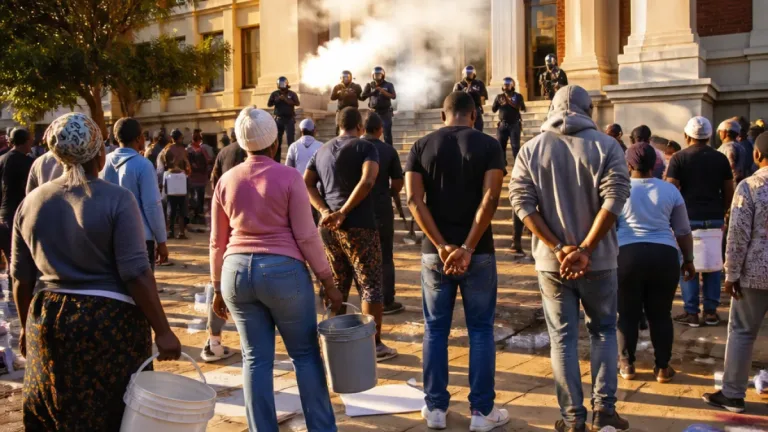
Those dynamics help explain why survivors are seeking a more consistent, less politicised approach to emergency assistance. Organisers say the shared experience of extreme weather creates unusual cross-partisan bonds: delegations of survivors described in the report included politically diverse groups travelling to Washington to press lawmakers on disaster-policy changes.
- Scale: The Guardian cites an estimate that extreme weather now affects about half of the US population.
- Organisation: Extreme Weather Survivors reports a network of roughly 2,500 people.
- Demands: Calls for a more responsive FEMA and for disaster aid to be insulated from partisan politics.
mobilisation and political influence
Survivors’ efforts have included in-person meetings and delegations to lawmakers in Washington, signalling a strategic push to convert lived experience into policy pressure. Yet the Guardian report notes that a recent meeting of survivors in Texas suggested politicians do not yet feel overwhelming electoral pressure from the group.
The organisers’ stated ambitions extend beyond immediate relief: they foresee survivors influencing broader policy debates on how to prepare for and respond to climate-amplified extremes, and some express the intention to seek elected office. If that occurs, it would turn a constituency born of crisis into a more durable political actor.
Implications
For policymakers, the emergence of a survivor constituency poses three practical questions: how to design predictable, equitable disaster relief; how to rebuild trust between affected communities and federal agencies; and how to reconcile disaster response with contested debates about responsibility for and responses to climate change.
Organisers argue their experience unites people across political divides, a point that could complicate conventional partisan calculations about disaster aid. Whether survivors’ activism will translate into sustained influence depends on their ability to build organisation, mobilise voters and force lawmakers to respond to tangible policy proposals.
| Issue | Reported detail |
|---|---|
| Estimated population affected | About half of the US population (estimate cited) |
| Size of survivor network | ~2,500 people |
The development is being watched by disaster-policy experts and political strategists alike because it links immediate humanitarian needs to longer-term debates about the politics of climate adaptation and federal responsibility.