Persistent poverty shadows San Antonio as cost pressures bite households
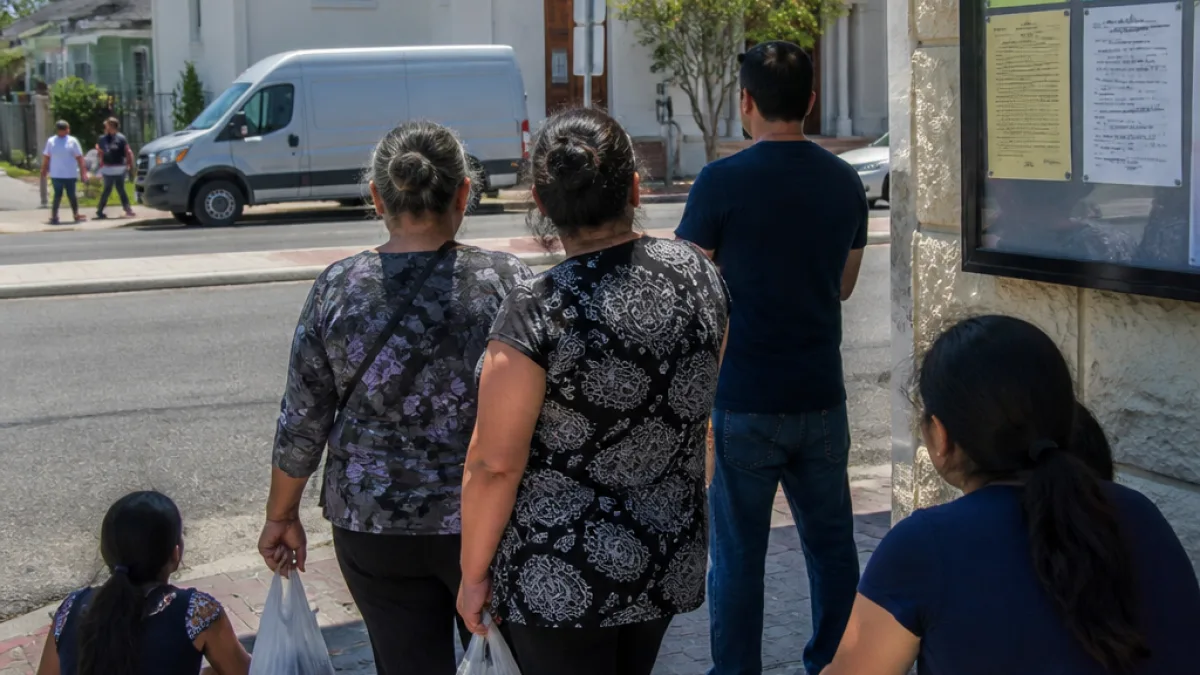
The latest analysis from the City of San Antonio’s Department of Human Services paints a stark picture of financial strain across the metro area: about 17% of city residents live in poverty, a rate that has not meaningfully improved over the past decade. That share translates to roughly 250,000 people struggling to meet basic needs, city officials said in the Department’s 2026 Status of Poverty report.
The report also uses United For ALICE metrics — a measure that captures households that are asset-limited, income-constrained, but employed — to show a broader slice of financial vulnerability. Under that measure, 44% of Bexar County households fell below a local cost-of-basic-needs threshold in 2024. That 44% is composed of the 15% living below the federal poverty level and an additional 29% earning above federal poverty but below what is needed to afford essentials locally.
| Measure | Share |
|---|---|
| Federal poverty rate (San Antonio) | 17% |
| Estimated people in poverty | ~250,000 |
| Bexar County households below ALICE threshold | 44% |
| Share below federal poverty level | 15% |
| Share ALICE (above federal poverty but below local needs) | 29% |
Everyday choices reflect the squeeze
The numbers echo in conversations at gas pumps, grocery aisles and neighborhood centers. Longtime taxi driver Robert Gonzales — who has run National Cab and driven in San Antonio for 46 years — described balancing his business on razor-thin margins.
“I’m always having to look around for 20 cents cheaper, five cents cheaper in the gasoline ... it’s costing me more money to operate,” Gonzales said.
For many families, the response is to shrink expenses and change buying habits. At the Las Palmas shopping center, shopper Sarah Batillo said dual incomes helped, but her household still made adjustments to stretch their budget.
“We cut back on stuff like we don’t really buy much like paper plates anymore. We try to use regular plates. We’ve been trying to buy bulk a little bit more to save,” Batillo said.
Who is losing ground — and who is gaining?
The city report highlights divergent trends by age group: child poverty has declined, while poverty among older adults has increased. Officials and providers say that shift will have consequences for health care demand, housing stability and social services as the population ages.
- Older adults facing rising poverty can strain public and nonprofit safety nets, increasing demand for medical assistance and home services.
- High ALICE rates signal that many working households remain vulnerable to a single emergency expense or income disruption.
- Long-term stagnation in the official poverty rate suggests structural barriers — housing costs, wages, and access to affordable health care and transportation — remain unresolved.
Politics and policy echoes in local race
Affordability has also surfaced as a talking point in national politics with local resonance. During separate campaign stops over the weekend, both major-party U.S. Senate candidates touched on cost-of-living concerns that mirror themes in the city report. The campaign appearances underline how local economic pressure points play into broader policy debates.
City leaders must now confront questions about how to translate the report into targeted action. The data provide a roadmap for where services and investments may be most needed — from senior supports and affordable housing to workforce development aimed at raising household incomes above the ALICE threshold.
For many San Antonio families, the pressures described in the report are already shaping daily choices and livelihoods. The challenge for policymakers and community organizations will be connecting the statistics to durable solutions that reduce both the official poverty rate and the larger cohort of households a breath away from financial collapse.