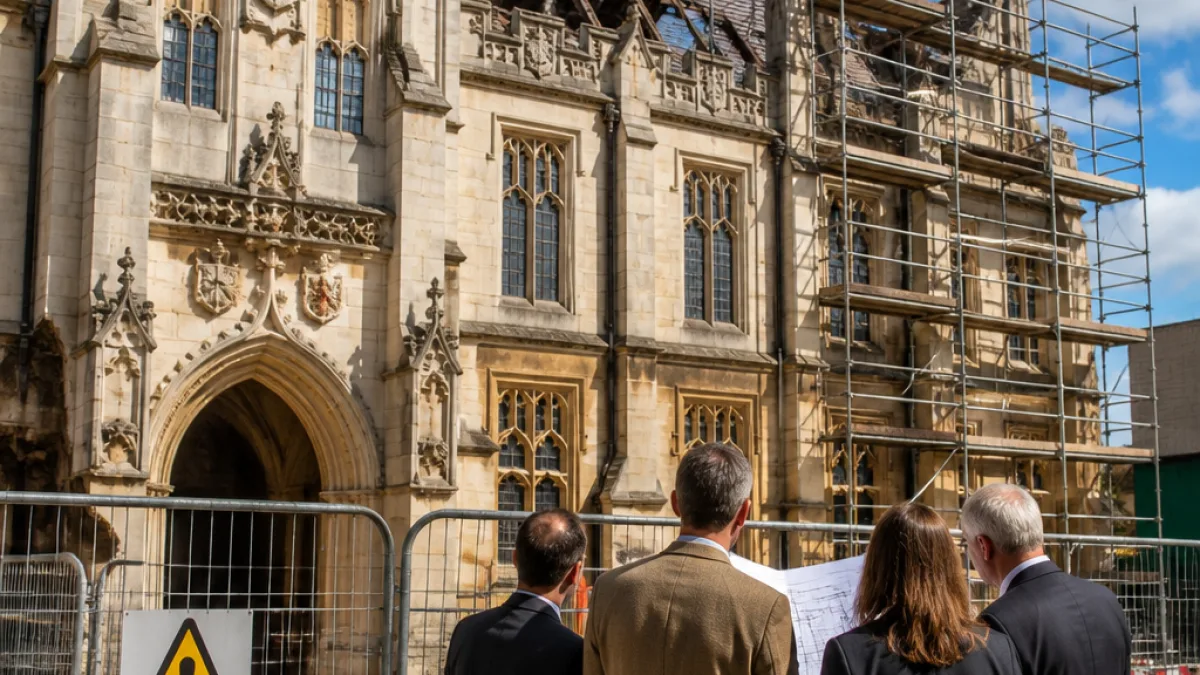
Historic civic site faces a defining decision
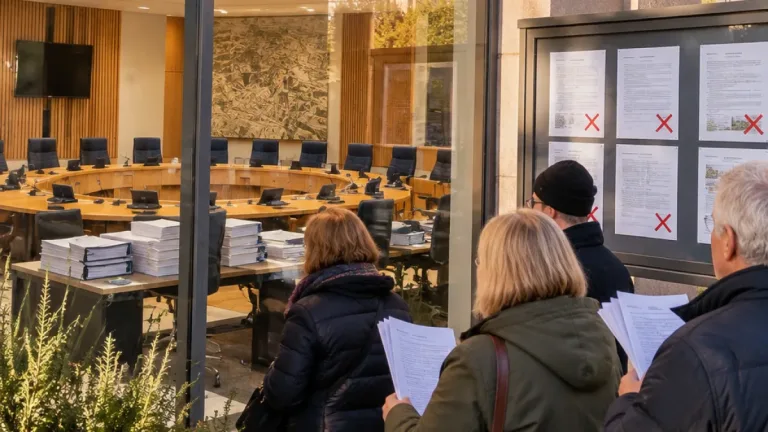
The future of Cambridge’s Guildhall is set to come under renewed scrutiny after a council report warned that the Grade II-listed building is facing substantial repair and maintenance problems. Councillors will discuss possible ways forward, including retaining and refurbishing the building or selling it for conversion into a boutique hotel.
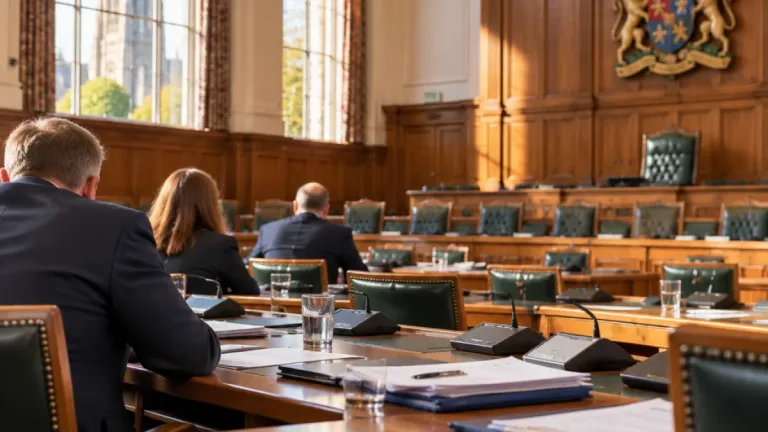
No final decision is due at the meeting. Instead, councillors are being asked to consider the available choices before the authority determines how to respond to the condition of a building that remains central to the city’s identity and public life. The debate comes as the Guildhall is already being used less extensively than in the past, with large parts of it empty since 2020.
Safety concerns and a changing building
The report identifies several problems requiring attention. These include the possibility of masonry falling from the outside of the building and water entering the roof area above the council chamber. It also refers to a defect associated with some early twentieth-century steel-framed structures, known as “Regent Street Disease”.
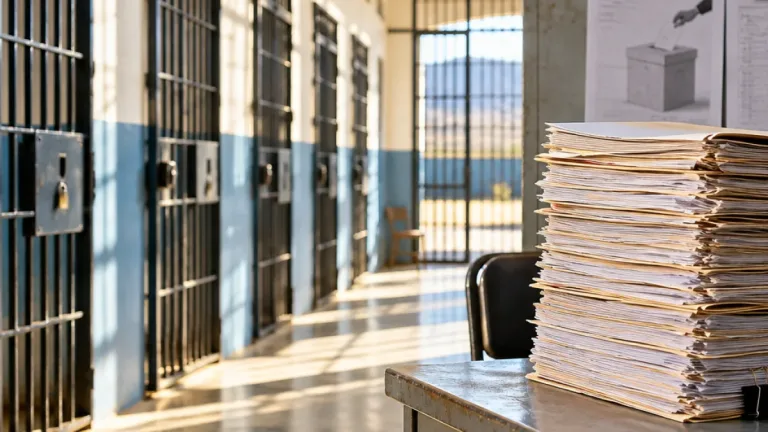
The Guildhall was completed in 1939 and stands opposite the city’s market. Although the present structure is comparatively modern, the site has been connected with Cambridge’s civic administration for roughly 800 years. It has previously accommodated functions including a prison and a toll booth, while the current building has served as the home of Cambridge City Council.
“This is the last remnant of civic government in Cambridge, where it's been for hundreds of years,” said Roger Lilley, chairman of trustees at the Museum of Cambridge.
Heritage, access and public use
Mr Lilley described the situation as “very disappointing” and argued that the location could have delivered significant public value with greater foresight and planning. His comments reflect the wider question facing councillors: whether the Guildhall should remain principally a civic and public asset, or whether a different use should be considered to secure its longer-term future.
The building was closed to the public in October, although the council chamber and event spaces continue to be used. The final booking in the large and small halls is scheduled for 20 December. That timetable means the council’s deliberations will have practical consequences for meetings, events and public access, as well as for the city-centre setting around Market Square.
- External masonry and roof-space water ingress have been identified as risks.
- Most of the Guildhall has been unused since 2020.
- The building is Grade II listed and remains partly in active civic use.
- Options include repair, continued civic use or sale for hotel conversion.
Earlier refurbishment plans
The council has already approved plans for refurbishment in March. Those proposals included an accessible council chamber, additional meeting rooms, upgraded electrical infrastructure and conservation work. The existence of that programme means the latest debate is not simply about whether the building needs investment, but also about how much public use should be preserved and how the work could be delivered.
| Issue | Position reported |
|---|---|
| Building status | Grade II listed, completed in 1939 |
| Current risks | Falling masonry and water above the chamber |
| Decision stage | Councillors to discuss options; no final decision yet |
The Guildhall’s future therefore sits at the intersection of heritage protection, public access and the management of local authority property. Across the country, councils are being required to balance the cost of maintaining older public buildings with the need to keep civic services accessible and financially sustainable. In Cambridge, that national pressure is concentrated in one highly visible building with a long institutional history.
For residents, the immediate outcome will be a clearer indication of which principles councillors want to guide the next stage: preserving the Guildhall as a working civic venue, adapting it for another purpose, or combining public use with a new commercial role. The meeting will shape that discussion, but the report makes clear that leaving the building’s problems unresolved is not among the options without consequences.