Belthara Bazar, Uttar Pradesh — The INDIA bloc has arrived at what a Samajwadi Party MP described as a single, unified seat-sharing formula for the 2027 Uttar Pradesh Assembly polls, according to remarks made on Saturday.
Alliance will prioritise winnability over numbers, says SP MP
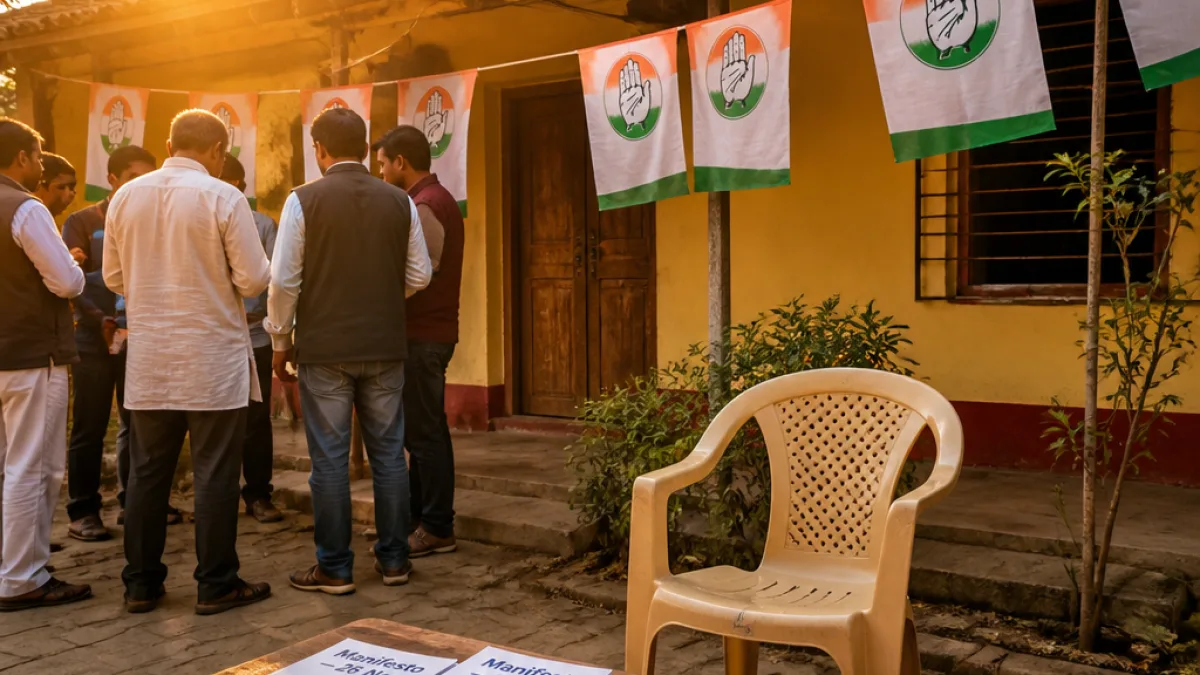
Salempur MP Ramashankar Rajbhar ‘Vidyarthi’ said the arrangement focuses on ensuring electoral victories rather than merely dividing constituencies among partners. He made the comments at his residence in Belthara Bazar village, according to a report to PTI.
“Our formula is set. It is a single, unified formula — one designed to ensure victory for the INDIA bloc,” the MP said.
Rajbhar added that the Samajwadi Party (SP) will contest constituencies where it believes it has the best chance, while the Congress will fight where its prospects are stronger. He also confirmed that the SP’s election manifesto is ready and will be released on 26 November.
The MP stressed that the final distribution of seats would be settled by the top leadership of the alliance partners, after claims and negotiations. His comments followed statements from Congress leaders indicating ambitious demands for contesting a large number of seats in the 403-member Assembly.
Congress indicates claim for up to 200 seats
On Friday, Congress Uttar Pradesh in-charge Rajendra Pal Gautam told PTI that his party had shared a list of constituencies with SP leaders and that detailed discussions on seat-sharing were due soon. Gautam said he could not provide precise figures but indicated the Congress submitted lists for between 175 and 200 seats, signalling readiness to negotiate.
Rajbhar responded to such claims by underscoring that while every ally may stake a claim, the ultimate allocation will be determined by joint leadership deliberations.
- Assembly strength: 403 seats
- SP manifesto release: 26 November
- Congress claimed list: 175–200 seats (as per Rajendra Pal Gautam)
Political stakes and practical implications
The SP’s emphasis on winnability reflects a broader strategic approach within the INDIA bloc to present a consolidated challenge to the ruling formation in Uttar Pradesh. Seat-sharing negotiations in multi-party alliances can determine candidate selection, local campaigning strength and the distribution of vote banks—factors critical in a state where margins in many constituencies are narrow.
For voters and local party workers, the assertions on a unified formula mean individual aspirants may have to await formal lists from party headquarters before beginning full-scale campaigns. Party cadres in districts named in preliminary lists usually start organisational work, while those left out intensify lobbying in internal forums.
What to watch next
The coming weeks should see the following developments:
- Formal announcement of the alliance seat-sharing agreement by party leaderships.
- Release of the Samajwadi Party manifesto on 26 November and its reception among alliance partners and voters.
- Detailed talks between SP and Congress teams on specific constituency allocations and candidate lists.
| Item | Detail |
|---|---|
| Uttar Pradesh Assembly seats | 403 |
| Congress claimed list (reported) | 175–200 seats |
| SP manifesto release date | 26 November |
Negotiations within alliances frequently involve readjustments; claims by members do not always translate into final allotments. Rajbhar’s public remarks aim to project unity and focus on election-day outcomes rather than intra-alliance arithmetic.
As parties prepare their local campaign machinery, the formal seal on seat sharing and the content of the SP manifesto will be key signals of the INDIA bloc’s readiness to contest next year’s polls across Uttar Pradesh.