Community voices highlight infrastructure lag as Dimapur grows
DIMAPUR — Residents and local stakeholders have warned that Dimapur’s civic infrastructure and environmental safeguards have not kept pace with rapid urban growth, raising concerns about waste management, water conservation and urban planning that will shape the city’s future.
The observations emerged during a workshop organised by Transitions Research on October 24 at Tia Ki, held under the project “The Future of Himalayan Towns and Cities — Journey through the Himalayas”, the event in Dimapur being reported by easternmirrornagaland.com. The initiative, which is supported by Royal Enfield, is examining trajectories for towns and cities across the Himalayan region, with Dimapur among the studied locations alongside Almora, Dharamshala and Guwahati.
From streams to drains: changing urban landscape
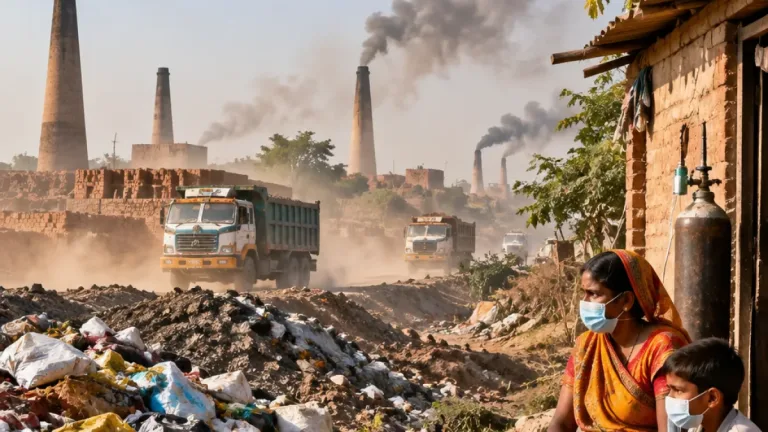
Long-time residents recalled natural streams that used to be recreational spaces for children but which have since been converted into open drains, with some households discharging toilets into these watercourses. Participants also pointed to a rising tide of plastic waste, shrinking water bodies and an erosion of public ownership of common spaces.
"The exercise was intended to help communities articulate what they wanted their cities to become before deciding how to address existing problems,"
The above comment was attributed to Parul Anand, an AI and Society Associate with the project, in the eastern mirror report. According to the report, the workshop invited local perspectives to inform how Dimapur might evolve towards 2040.
Priority areas and governance concerns
Participants identified a set of priority areas that they said require urgent attention. These included:
- Waste management — improving collection, segregation and disposal practices to address mounting plastic and organic waste.
- Water conservation — restoring and protecting water bodies and securing sustainable supplies as urban demand grows.
- Urban planning — strengthening zoning, public spaces and long-term land-use strategies to manage expansion.
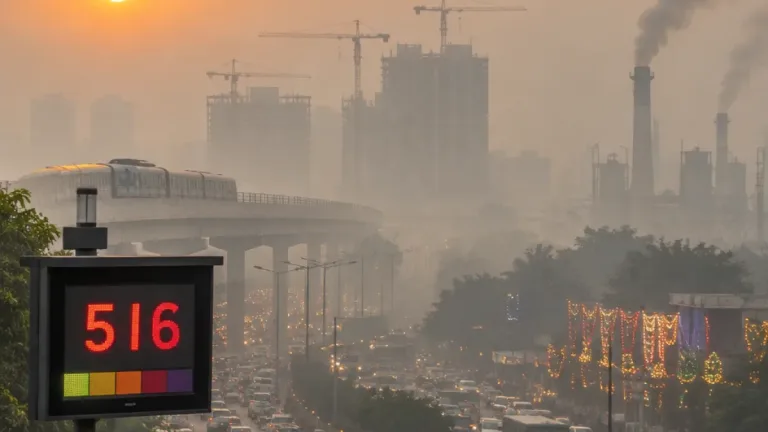
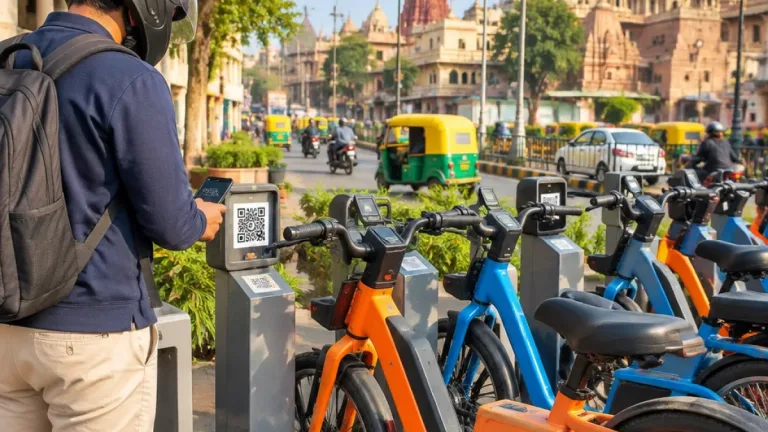
- Public transport — enhancing mobility options to reduce congestion and pollution.
- Green spaces — preserving and creating accessible parks and commons for community wellbeing.
The workshop also flagged fragmented civic governance and the absence of a heat-specific action plan for Nagaland as obstacles to coordinated urban responses. Boka Rochill, Chief Climate Action Officer at the Nagaland Climate Centre for City Investments to Innovate, Integrate and Sustain, was listed among participants involved in climate action discussions, according to the report.
Implications for policy and planning
Speakers at the workshop said the process of envisioning the city’s future should precede technical fixes, allowing communities to define priorities before selecting interventions. The project’s approach, as described in the report, is to combine local knowledge with research to map possible futures over the next 10–15 years.
| Issue | Community concern |
|---|---|
| Waste management | Rising plastic waste; inadequate segregation and disposal |
| Water bodies | Streams turned to drains; loss of water resources |
| Governance | Fragmented responsibilities; no heat-action plan |
Local stakeholders at the workshop urged authorities to prioritise integrated strategies that include restoring natural water systems, creating incentives for waste reduction and strengthening civic stewardship of common spaces. The report suggested that such measures are particularly important as Dimapur expands and climate-related stressors, such as rising temperatures, may intensify.
Organisers of the Transitions Research project aim to carry lessons from Dimapur into a wider regional analysis, comparing challenges and solutions across Himalayan towns. The intent is to help local governments and communities shape resilient, equitable urban futures grounded in residents’ lived experiences, as noted in the easternmirrornagaland.com coverage.
As Dimapur plans for growth over the coming decades, the workshop highlighted a pressing question for policymakers and citizens alike: whether short-term fixes will be prioritised, or whether the city will adopt a coordinated, long-term vision that restores environmental assets and improves civic services.