Extreme political rhetoric in Israel has risen sharply under Prime Minister Benjamin Netanyahu’s far-right coalition, an Israeli think tank says, intensifying months ahead of the country’s Oct. 27 election.
Think tank compiles hundreds of incidents
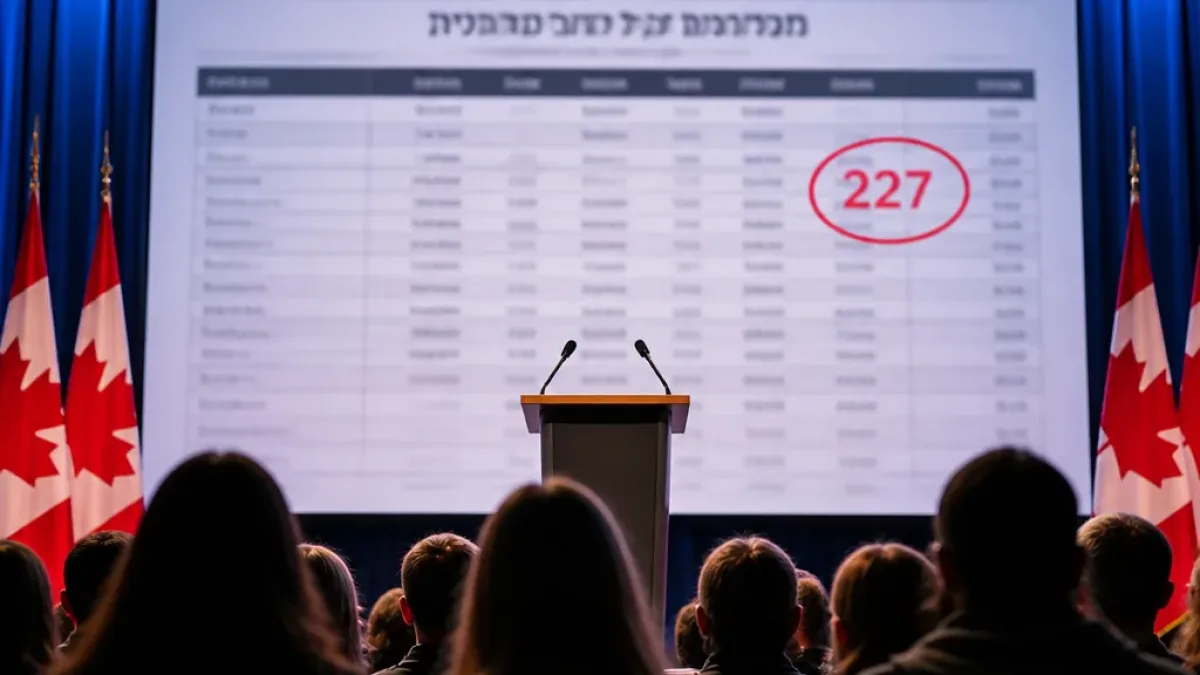
OFEK, an Israeli research centre that monitors incitement, provided a spreadsheet to The Associated Press documenting 227 extreme comments made by public officials so far this year. The compilation forms part of an ongoing project that the group says tracks hate speech and inflammatory statements at high political levels.
The findings come as politicians across the spectrum step up campaigning. While Mr. Netanyahu has largely avoided repeating the most incendiary language of his far-right partners, his campaign slogan — translated as "right or Palestine" — has been criticised by opponents as inflammatory.
Targets and consequences of the rhetoric
Most of the reported remarks are directed at Palestinians in the Gaza Strip and the occupied West Bank, OFEK’s dataset shows. Some comments have also targeted Israel’s Arab citizens and other groups. Commentators and monitors quoted by the Associated Press say the atmosphere of heated speech feeds everyday prejudice and can normalise violence.
- 227 — the number of extreme comments catalogued by OFEK in 2026.
- Targets include Palestinians in Gaza and the West Bank, Israel’s Arab citizens, and political rivals.
- Monitoring groups warn social media and artificial intelligence tools are amplifying the spread of inflammatory remarks.
Such language has had diplomatic repercussions. Remarks dehumanising Palestinians were cited in South Africa’s case alleging genocide at the International Court of Justice — an accusation the Israeli government strongly rejects.
“It’s endless. It’s insane,”
said Achiya Schatz, founder of the Israeli disinformation monitor FakeReporter, describing the tone of public discourse. The Associated Press also recorded examples of individual utterances, including calls that reflect a desire to remove Palestinians from certain areas — comments that critics say foster intolerance and may encourage physical attacks.
On-the-ground effects in the West Bank
Observers describe a West Bank landscape with heightened settler activity and minimal accountability for assaults on Palestinians. In some locations, Arabic signage has been defaced or painted over, and Palestinian businesses report intimidation. The report includes accounts from towns such as Lubban Al-Sharqiya, where residents say they face regular harassment.
Ofek and civil-society groups warn that unchecked extreme speech contributes to an environment where violence and discriminatory practices can escalate, especially when amplified by digital platforms.
Why this matters internationally
The escalation of hostile rhetoric ahead of an election has implications beyond Israel’s borders. It shapes international perceptions, influences diplomatic relations, and weighs on international legal claims and human-rights assessments. For neighbouring populations and diasporas around the world, the tenor of political debate in Jerusalem can have real consequences on security and communal relations.
As the Oct. 27 vote approaches, international observers and human-rights monitors will be watching whether leading politicians act to restrain incendiary language — and whether social-media platforms and domestic institutions step up efforts to limit the spread and impact of extreme statements.
| Item | Detail |
|---|---|
| Source of tally | OFEK (Israeli think tank), shared with The Associated Press |
| Number of comments tracked | 227 (in 2026) |
| Main targets | Palestinians in Gaza and the West Bank; Israel’s Arab citizens; political opponents |
Accountability will be a focal point in domestic debates in the coming days. Voters and international partners alike will be assessing whether the escalation of rhetoric is an episodic campaign tactic or an indicator of deeper shifts in political norms and governance.