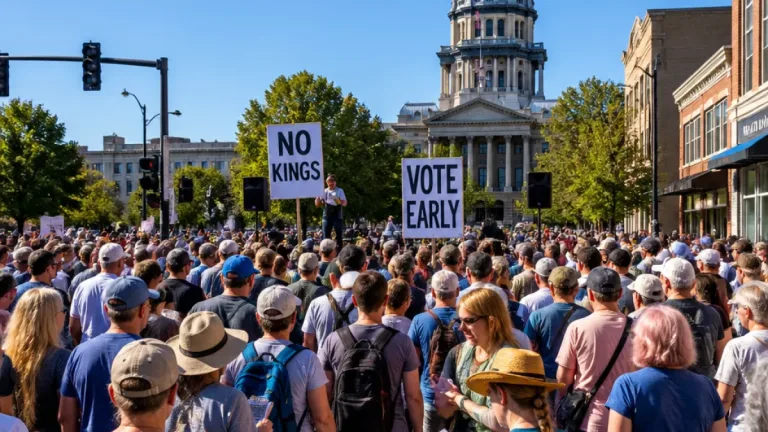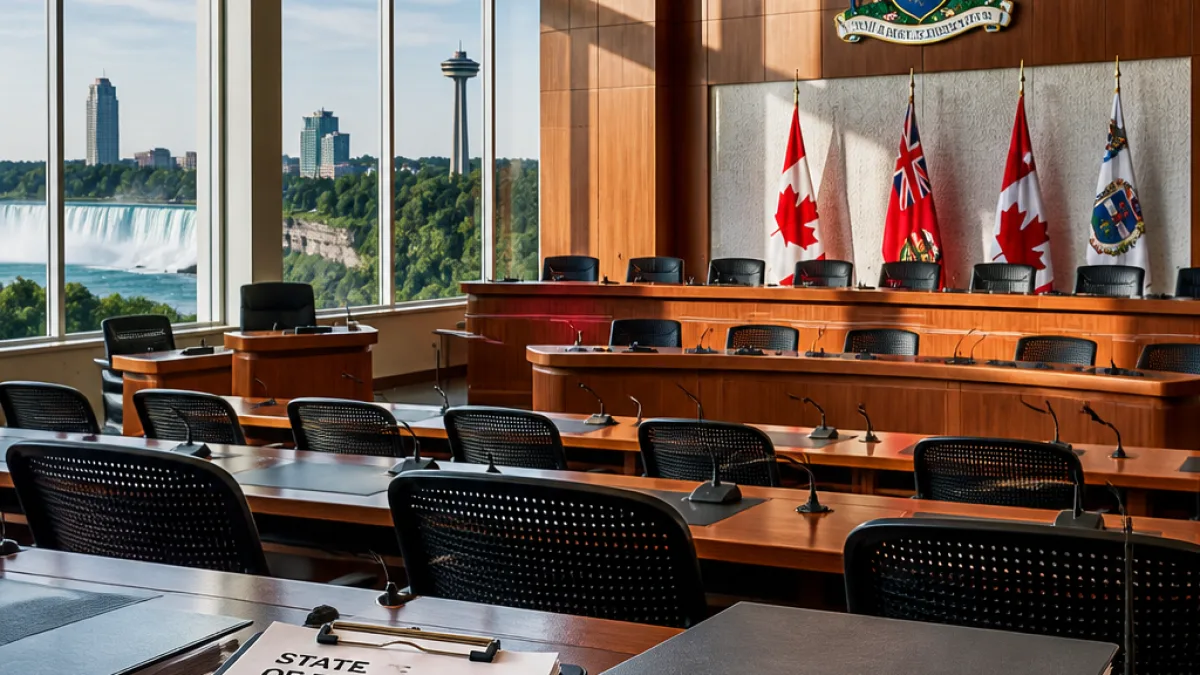
Residents of Niagara Falls heading to the polls next week will notice a significant change on their ballots: there will be no vote for regional councillors. Under Ontario’s Better Regional Governance Act, Niagara Regional Council is being cut from 31 members to 13, composed of the mayors of the region’s 12 municipalities plus a provincial appointee as regional chair.
What’s changing and why
The provincial government says the restructuring is intended to reduce costs, streamline decision-making and accelerate progress on priorities such as housing, jobs, infrastructure and transportation. The new model also grants the regional chair expanded powers, including the authority to appoint committees and certain staff and to manage a regional budget.
“In the Niagara restructuring, like other regions in the province, the Ford government is similarly going to give stronger powers to the regional chair, so the ability to appoint committees, key staff, have a budget and make sure that province and Niagara are focused on more affordable homes, better jobs, infrastructure and better transportation. This is about streamlining government to get more things done for Niagara, and I like it,”
The comment above was made by Tim Hudak, former PC Party leader and Niagara MPP, in public remarks about the restructuring. Ontario’s Minister of Municipal Affairs and Housing has also said the chair could legally be chosen from among the mayors.
What this means for Niagara Falls residents
For 56 years, Niagara residents have elected mayors, municipal councillors and regional councillors, while the regional chair was chosen by the council. That three-tier ballot is being pruned: voters will still elect their municipal mayor and councillors, but they will not directly select the regional councillors who used to represent Niagara Falls at the regional table.
- Representation: Niagara Falls will no longer elect regional councillors to sit on the regional council; the city’s mayor will sit on the new 13-member council.
- Decision-making: The regional chair, appointed by the provincial government, will hold greater powers than before.
- Voting weight: A weighted voting system will be used on the new council, with voting power reflecting each municipality’s population.
Opponents of the change have raised concerns about democratic accountability. Jeff Burch, the NDP MPP for Niagara Centre, called the move undemocratic and pointed to the weighted voting arrangement, suggesting it concentrates power in larger municipalities.
Concerns about a weighted vote and concentrated power
Critics say the weighted voting system could allow a single municipality to dominate decisions on regional issues. The concern centres on population-based voting weights: a mayor representing a larger city could, in theory, command a significant portion of the council’s total voting power.
Supporters argue the change will enable clearer lines of responsibility and faster action on pressing issues such as housing and infrastructure. They say fewer councillors will mean more efficient meetings and less duplication between municipal and regional layers of government.
| Before | After |
|---|---|
| 31 regional councillors plus regional chair selected by council | 13 members: 12 municipal mayors + provincial appointee as regional chair |
Locally, Niagara Falls voters will still decide their city’s leadership and local council composition, which will determine who carries the city’s voice to the regional forum. But the removal of directly elected regional councillors changes how that representation is organised and how accountable it may be perceived to be by residents.
What to watch next
In the weeks and months after the election, residents and municipal leaders will be watching how the appointed chair uses expanded powers and how the weighted-vote system affects regional decisions. Questions remain about whether the restructuring will deliver the promised efficiencies and whether it will preserve local input on issues that cross municipal boundaries.
The provincial government says the changes are meant to align governance with the goal of getting projects done for Niagara. Opponents maintain the move reduces democratic oversight. For voters in Niagara Falls, the immediate impact is simple: when they mark their ballots next week, a longstanding option — electing a regional councillor — will no longer appear.