A small butterfly that has not been recorded in Ontario since 1988 could return to the province next spring under a recovery project led by scientists at the University of Guelph.
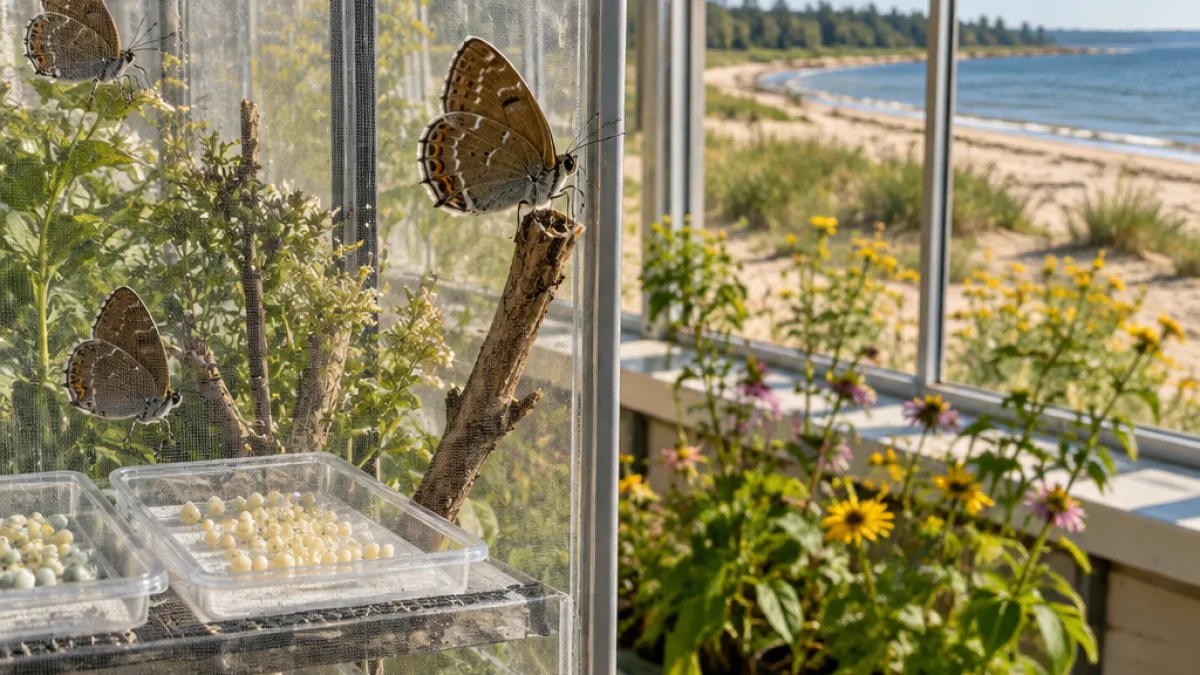
The frosted elfin, a brown, non-migratory butterfly with delicate wings, once inhabited the northern shore of Lake Erie in Norfolk County. A team of Canadian researchers is preparing to bring adult butterflies and eggs from New York to Ontario, raise them at the Cambridge Butterfly Conservatory and release them in the Port Rowan area, southeast of London.
The proposed reintroduction follows decades without a confirmed sighting. Multiple surveys, including work conducted in 2019, failed to find the species in Ontario, according to the Committee on the Status of Endangered Wildlife in Canada. In conservation terms, the butterfly is considered extirpated from the province: it has disappeared from a particular region, while that designation does not necessarily mean the species has vanished everywhere.
A return built around restored habitat
Ryan Norris, a University of Guelph professor in the department of integrative biology, said the first priority is confirming that the landscape can support the butterfly before breeding begins. Researchers are checking for sufficient quantities of wild sundial lupin, the plant on which frosted elfin caterpillars depend.
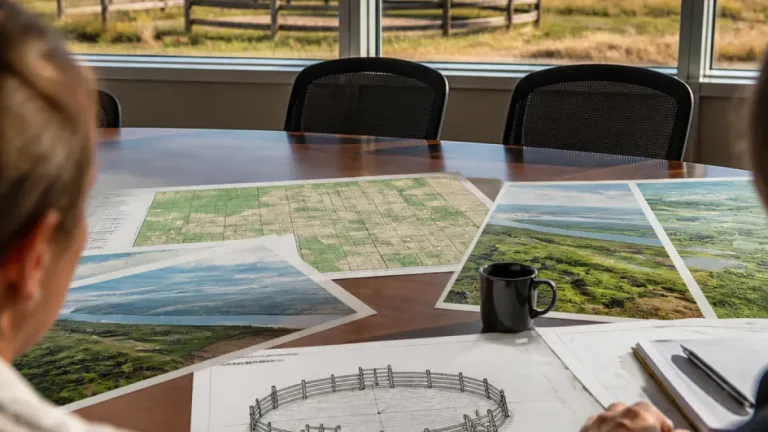
The planned release area includes former tobacco fields that have been restored into oak savanna habitats. Norris said those landscapes are now showing the characteristics needed for a reintroduction, giving the project a chance to address both the disappearance of the butterfly and the habitat changes that contributed to it.
“We’ve destroyed things in the past, and in some cases we have, for some habitat types, … very little left of it, and it used to be much more abundant in places like southern Ontario.”
Norris attributed the frosted elfin’s loss in Ontario to habitat destruction linked to urban development and the conversion of land to farmland. His comments place the proposed release in a wider local context: the project is not simply moving butterflies into a new location, but attempting to reconnect an at-risk species with a habitat type that has been restored in the area where it previously lived.
Preparing before the release
The project’s work is expected to begin with butterflies and eggs sourced from New York. Those specimens would be bred at the Cambridge facility before any release into the wild. The sequence is intended to allow the team to assess whether the insects can be raised successfully and whether the local habitat has the food plant required for their development.
| Project detail | What researchers have reported |
|---|---|
| Species | Frosted elfin butterfly |
| Last Ontario sighting | 1988 |
| Planned release area | Port Rowan, in Norfolk County |
| Source population | New York |
| Planned facility | Cambridge Butterfly Conservatory |
| Federal funding | $2.4 million |
The University of Guelph said the initiative is part of a broader, Canada-wide effort involving universities, conservation groups and government agencies. The work also includes two other at-risk butterflies: the mottled duskywing and the curiously isolated hairstreak.
Researchers describe the combined approach as a potential first for Canada. Rather than developing separate recovery efforts for each insect, the project is designed to co-ordinate work on three species at once. The university said that could produce what the research team believes would be the country’s first multi-species framework for insect conservation.
Why the project matters locally
For Norfolk County, the proposal connects a national conservation effort to a specific landscape near Port Rowan. The planned release also highlights the role of restored agricultural land in supporting wildlife. According to the project information, former tobacco fields in the area have developed into oak savanna habitats, while the presence of wild sundial lupin remains a key condition for the butterfly’s return.
The federal government has committed $2.4 million to the larger initiative, the University of Guelph said. That funding supports an effort that still depends on several steps: obtaining butterflies and eggs, breeding them at the conservatory, confirming adequate host plants and determining whether the intended release habitat can sustain the species.
- The frosted elfin has not been seen in Ontario since 1988.
- Scientists plan to bring butterflies and eggs from New York for breeding in Cambridge.
- Releases are planned for the Port Rowan area next spring, subject to the project’s preparations.
- The broader program also covers the mottled duskywing and curiously isolated hairstreak.
The planned reintroduction does not erase the pressures that removed the frosted elfin from Ontario. Instead, it represents an attempt to use habitat restoration, controlled breeding and co-ordinated research to reverse one local species loss. The team’s next test will be whether the conditions prepared along the Lake Erie shore are enough to support the butterfly once it is released into the wild.