Wild pigs remain a stubborn threat across the Prairies, but Saskatchewan officials say a combination of mapping, targeted trapping and local co-operation is beginning to show results.
The province was among those represented at the Canadian Wild Pig Summit in Brandon, where experts from Saskatchewan, Manitoba and Alberta compared control methods and discussed the continuing difficulty of keeping the invasive animals from spreading. The meeting focused on newer technology, partnerships and examples of progress rather than treating the problem as one that can be solved by a single agency or community.
For Saskatchewan, the immediate priority is twofold: manage the population already established in east-central Saskatchewan and stop new groups from taking hold elsewhere. Leanne Keddie, the province’s wild pig specialist with the Saskatchewan Crop Insurance Corporation, said those goals require field information that can be updated as animals move.
“We can see changes in populations, movements and new detections as they occur.”
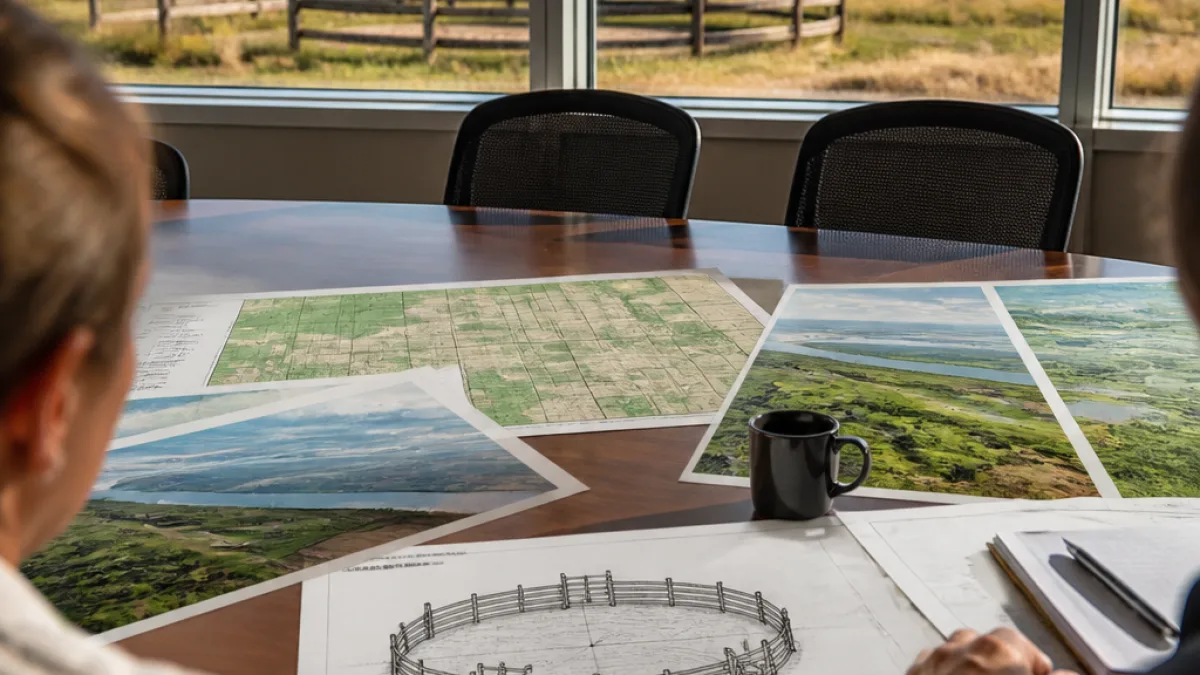
That ability comes through Geographic Information Systems technology, which allows field crews to gather and examine information in real time. In a province where agricultural land stretches over large distances, tracking sightings and movements is central to deciding where control work should be concentrated.
According to the Saskatchewan figures presented at the summit, more than 1,200 wild pigs have been removed in the province since 2018. Aerial surveys indicate that fewer than 200 animals remain in the main established population area, although officials continue to focus on containment and prevention rather than declaring the problem over.
| Measure | Saskatchewan figure |
|---|---|
| Wild pigs removed since 2018 | More than 1,200 |
| Estimated animals remaining in the primary established area | Fewer than 200 |
| Removal effort near Moose Mountain Provincial Park | More than 300 over eight years |
The preferred method in many cases is a large corral trap capable of taking an entire family group, known as a sounder, at once. Keddie said removing only part of a group makes the remaining animals more difficult to handle. The approach is therefore aimed not simply at lowering the number of pigs seen in an area, but at capturing the group before it can continue moving through the landscape.
“If you don't catch the whole group, the remaining pigs become much harder to manage.”
One of Saskatchewan’s clearest examples of that approach comes from the area around Moose Mountain Provincial Park. Government agencies, municipalities, landowners and hunters worked together there, removing more than 300 pigs over eight years. Sightings in the area have since dropped sharply, according to the information presented at the summit.
That result also points to the rural dimension of the issue. Control work depends on people who know the land, notice changes and can help crews reach areas where pigs have been detected. The Saskatchewan example described at the meeting involved several groups with different responsibilities, but the outcome depended on their efforts being co-ordinated.
The problem is not limited to one province. Representatives from Manitoba and Alberta also took part in the summit, underscoring the need for a Prairie-wide response when animals can cross municipal and provincial boundaries. Manitoba’s presentation highlighted the difficulty of locating wild pigs, along with the use of drones and environmental DNA as tools being considered or used in that province’s control work.
For Saskatchewan, officials continue to rely on a combination of field surveillance and direct removal. The main tools described at the summit include:
- Geographic Information Systems to record and assess detections and movements;
- Aerial surveys to estimate the size and location of the remaining population; and
- Corral trapping to capture complete sounders rather than isolated animals.
The figures suggest progress, but they also explain why the province is maintaining its focus on prevention. A smaller established population does not remove the risk of new detections, and the strategy described by officials is built around responding to changes as they emerge.
For producers and rural communities, the continuing message from the summit was that early information and co-operation matter. Saskatchewan’s experience near Moose Mountain shows what can happen when landowners, hunters, municipalities and government staff work from the same control plan. The broader Prairie effort is now applying that lesson while using newer tools to locate animals before isolated sightings become established populations.