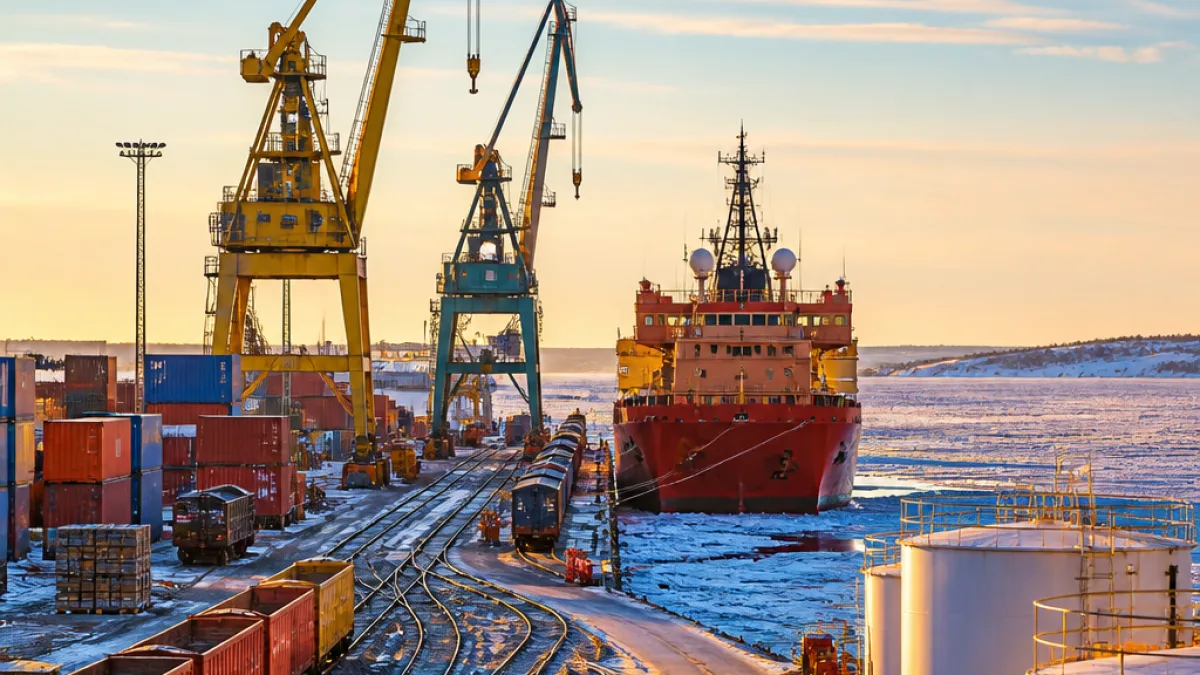
Newly elected Hudson Bay MLA Jason Iqaluq used his first sittings in the Legislative Assembly to amplify concerns from residents of Sanikiluaq about a proposed upgrade to the Port of Churchill in Manitoba, telling Premier John Main the project could affect the Hudson Bay marine ecosystem and wildlife that communities rely on.
Local voices raised in Iqaluit
During question period in the fall session, Iqaluq said he was following up on correspondence originally sent to the territory by his predecessor, Daniel Qavvik, in May. Qavvik resigned from the legislature in June, triggering the Sept. 28 byelection in which Iqaluq was elected.
“This project has the potential to have impacts on the Hudson Bay ecosystem and the waters surrounding Sanikiluaq,”
Iqaluq urged the premier to respond to the letter before the fall session ends on Nov. 5; Main said the government would provide a written response by that date and that the territory would clarify whether the Nunavut Impact Review Board would have an opportunity to review the project.
Why Nunavut is watching
Although Nunavut is not the proponent of the proposed Port of Churchill Plus project, Main acknowledged the territory is a stakeholder because of potential environmental and economic effects that cross provincial and territorial boundaries.
Main told the assembly the project offers opportunities to strengthen transport links and could benefit Nunavummiut. At the same time, he said, it is important that environmental concerns from Nunavummiut be listened to during the federal process.
The project, described on federal websites, aims to upgrade Canada’s only deep-water Arctic port and to expand trade corridors with an all-weather road, an upgraded rail line, a new energy corridor and marine ice-breaking capacity. In September 2025 it was referred to the federal government’s new Major Projects Office, a designation that can accelerate permitting.
Key questions for the review process
Iqaluit and Sanikiluaq residents want to know how environmental assessment and consultation will unfold, and whether Inuit knowledge and wildlife concerns will be meaningfully considered. Iqaluq pressed for clarity about which bodies will have jurisdiction to assess transboundary impacts.
Premier Main described the issue as “quite complex” and said further details would be provided in the territory’s written reply.
- Who is concerned: Residents of Sanikiluaq and the Hudson Bay constituency.
- What is proposed: Port of Churchill Plus — upgrades to port, road, rail, energy corridor and ice-breaking capacity.
- Federal status: Referred to the Major Projects Office in Sept. 2025.
| Item | Detail |
|---|---|
| Port | Port of Churchill (deep-water Arctic port) |
| Referral | Major Projects Office, Sept. 2025 |
| Potential upgrades | All-weather road, upgraded rail, energy corridor, ice-breaking capacity |
Implications for communities
For Sanikiluaq and other coastal communities on Hudson Bay, concerns centre on marine health, wildlife patterns and subsistence harvesting. Changes to shipping routes, increased ice-breaking or construction on shorelines can alter sea ice, migration and the distribution of marine mammals and fish that are integral to food security and cultural practices.
Nunavut’s role as a stakeholder means the territory will seek to ensure local perspectives are part of federal decision-making. How those perspectives are assessed — whether through Nunavut-specific review processes or the federal review mechanism — remains to be clarified in the government’s promised written response.
Next steps
With the fall session scheduled to end Nov. 5, Iqaluq asked for a timely reply to the correspondence from May and for confirmation about review opportunities for the Nunavut Impact Review Board. Premier Main agreed to provide the written response by the end of the session.
As the federal process advances under the Major Projects Office, communities and territorial officials will be watching to see how transboundary impacts are handled and whether local Indigenous knowledge, environmental concerns and food-security risks are explicitly addressed in any assessment or permitting steps.
The coming weeks could determine how Nunavut’s concerns are recorded and whether additional engagement will be required before the project moves forward.