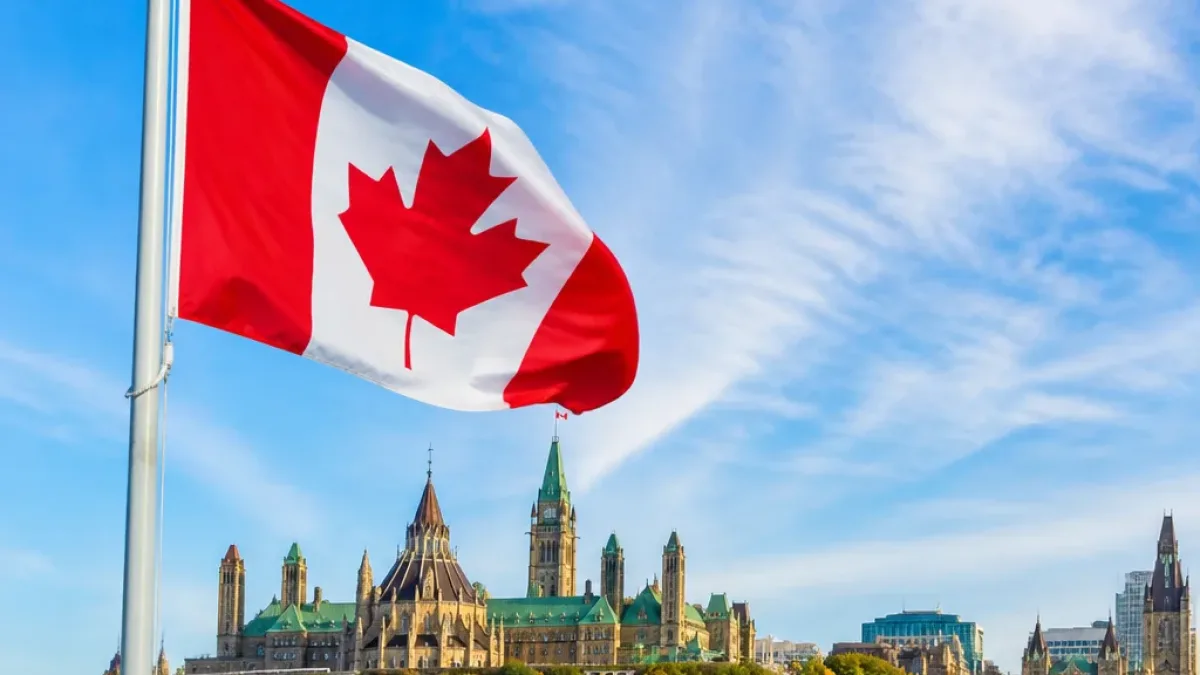
Most Albertans have rejected a formal move toward separation and opted to stay in Canada, according to early results released by Elections Alberta Monday night. With just over 1.3 million ballots tallied, roughly 76 per cent of voters marked the option to remain part of the country rather than begin a legal process that could lead to a future binding referendum on independence.
Decisive early result, official count to follow
As of 1 a.m. MT, Elections Alberta reported the following totals for the separation question:
| Choice | Votes |
|---|---|
| Remain in Canada | 1,005,641 |
| Hold second referendum / Leave | 310,672 |
| Total counted | 1,316,313 |
By law, all ballots must be counted by hand within 48 hours, and Elections Alberta said the separations question (Question 10) was being counted first. Officials had planned to start releasing results at 8 p.m. MT after the final ballots were cast and polling stations closed, but several voting locations opened late on Monday, delaying the timeline by more than three hours.
Ballot and political context
The referendum presented Albertans with 10 provincially initiated questions. While many of the items related to immigration and constitutional matters, attention centred overwhelmingly on the tenth question asking voters whether the province should remain in Canada or commence a legal process that could culminate in holding a binding referendum on separation at a later date.
The independence question had not been in the original package announced in February. It was reinstated in May by Premier Danielle Smith after a Court of King’s Bench judge quashed a separatist petition earlier in the year on the basis that the provincial government needed to consult with First Nations before the group known as Stay Free Alberta gathered signatures. The premier framed the added question as a way for the province to consult its own electorate.
"directly trigger separation,"
The phrasing of that judicial ruling and the premier's response were central to the debate leading up to Monday's vote.
Implications and immediate consequences
The early results are likely to ease concerns about abrupt political and economic disruption in Canada's energy heartland. Polling in the run-up to the vote had pointed to a clear advantage for the option to remain in Confederation, and the margin in the initial returns suggests the status quo will persist.
- Legal process: A vote to begin a legal process toward separation would have opened complex constitutional and judicial questions; the reject vote keeps those debates in the realm of political rather than legal action for now.
- Business and investment: The result should reduce immediate uncertainty for companies and investors monitoring the province amid forecasts of energy sector investment.
- Federal-provincial relations: Governments in Ottawa and other provinces will be watching how Alberta's leadership responds to the outcome and to other questions on the provincial ballot.
Officials cautioned that these are early totals and that the official, hand-counted results due within 48 hours will be the confirmed record. The separation question was the first to be tabulated; results for the other nine referendum items are expected to follow as counting progresses.
The outcome marks a clear rejection of a formal path toward separation in this round of consultation, but it does not end political debate in Alberta over its place in Confederation — or the policy disputes that helped drive the referendum process in the first place.