The Mozambican government announced plans to invest US$235 million to adapt its health sector to the mounting impacts of climate change, with officials saying the package is intended to shore up services, prevent deaths and protect livelihoods.
Funding aimed at resilience and disease prevention
Speaking at the opening of the Third Conference on the Impact of Climate Change on Health in Maputo on 20 Oct 2026, Health Minister Ussene Isse set out a roadmap to strengthen the National Health System’s capacity to deal with more frequent and intense extreme weather events.
“This is an unequivocal statement that Mozambique will not be a passive victim of climate change. Instead, it will build a health system that protects its citizens, strengthens the economy, and contributes to regional stability.”
According to the minister, the investment is designed to prevent an estimated 30,000 deaths and avert the loss of more than 1.6 million years of human life due to climate-related health impacts. The announcement highlights how climate shocks such as cyclones, floods, droughts and heatwaves disrupt services and raise the risk of outbreaks such as cholera, while worsening malnutrition and mental health problems.
Why Mozambique is prioritising climate-health action
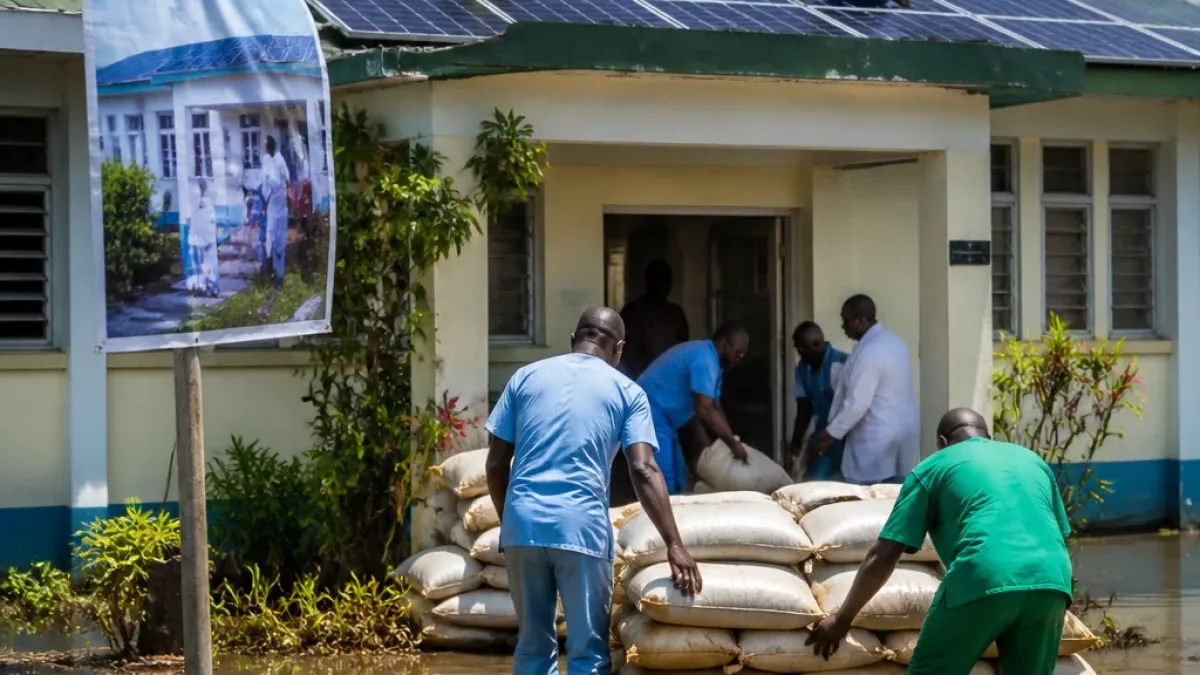
Mozambique is among the countries in the region most vulnerable to extreme weather. In recent years it has been hit by a string of cyclones and floods — events named by officials include Cyclones Idai, Kenneth, Eloise, Freddy, Chido, Dikeledi and Gezani — as well as widespread flooding earlier this year. Those disasters caused loss of life, damage to infrastructure and the interruption of essential services, including health care.
- Objective: reinforce the resilience of health facilities and systems to climate impacts
- Expected outcome: prevent ~30,000 deaths and protect more than 1.6 million years of healthy life
- Context: rising frequency and severity of cyclones, floods, droughts and heatwaves in Mozambique
The minister framed the investment as part of a broader strategy that links public health protection to economic stability and regional security, arguing Mozambique will move from being a passive victim to taking active measures to reduce vulnerability.
Laboratory recognition and technical gains
Alongside the funding announcement, the ministry reported a technical milestone: the National Tuberculosis Reference Laboratory, which forms part of the National Institute of Health, has been recognised as a member of the World Health Organization’s global network of supranational reference laboratories for tuberculosis. The minister noted this recognition as an achievement for the health sector.
| Item | Detail |
|---|---|
| Planned investment | US$235 million |
| Estimated deaths averted | 30,000 |
| Years of life protected | More than 1.6 million |
| Event | Third Conference on the Impact of Climate Change on Health, Maputo (20 Oct 2026) |
Officials emphasised that climate-related disruption to health services reduces availability of care and supplies, particularly in hard-hit and remote areas. The roadmap seeks to address these weaknesses by investing in infrastructure, preparedness and surveillance, though details of specific projects, timelines or financing sources were not provided in the statement.
Implications for the region
For neighbouring countries and regional health planners, Mozambique’s announcement signals a growing recognition that climate adaptation must include health systems. Strengthened laboratories and surveillance can have cross-border benefits, while better-prepared health services reduce the risk of large outbreaks and the need for emergency humanitarian responses.
Regional cooperation will be important to ensure that investment in one country contributes to wider resilience. The minister linked the health programme to economic strengthening and regional stability, underlining how climate-health investments can have wider policy and security effects.
Details on how the US$235 million will be mobilised, allocated across infrastructure, workforce, surveillance and community health programmes, and the expected rollout period are awaited. Stakeholders including health workers, civil society and regional partners will be watching for an implementation plan that translates the roadmap into measurable improvements in access, quality and climate resilience of services.
The announcement comes as southern Africa continues to grapple with the health consequences of extreme weather, emphasising the need for integrated planning that links climate adaptation, disease prevention and health systems strengthening.