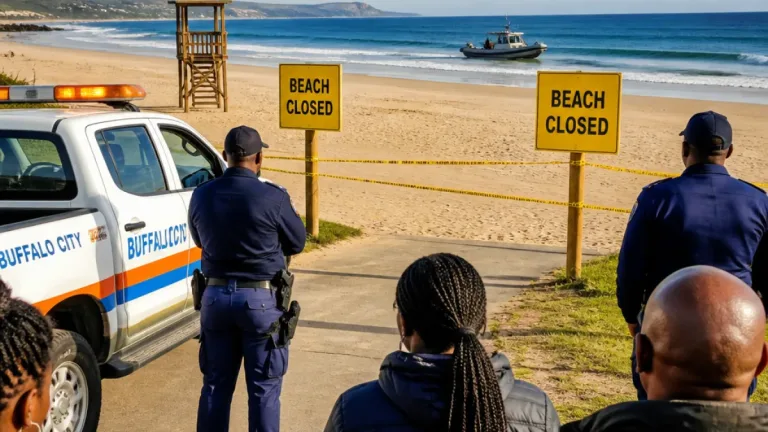
South Africa should expect disruption rather than widespread unrest as it approaches the 4 November local government elections, experts say, and preparedness must focus on local triggers, accurate information and targeted responses.
What readiness means
Current intelligence does not point to nationwide unrest connected to the elections, according to recent analysis. Rather than a single national crisis, the environment is characterised by a range of pressures that can combine in particular places to create sudden, localised disruption.
These pressures include high living costs, unemployment, public frustration over service delivery and political uncertainty. In some areas political tensions, community grievances or anti‑immigrant sentiment require closer monitoring because they can act as catalysts when coupled with a local trigger.
“The useful question is less ‘Is South Africa at risk of election unrest?’ and more ‘What is happening around us, and how could it affect the people, workplaces and services we depend on?’”
Practical effects and examples
Disruption does not have to reach a workplace or home to have an impact. Small, local events can ripple outwards and affect transport, access to services and daily routines. Examples highlighted in the analysis include:
- Road closures a few kilometres from a workplace that prevent shifts from starting on time.
- Activity at a taxi rank changing how people get to and from work.
- Demonstrations outside municipal buildings disrupting traffic flows across an entire precinct.
- Unverified messages circulating on messaging apps causing alarm and pre‑emptive disruption.
Because 4 November falls on a public holiday, the day itself will look different for many people; attention therefore needs to extend to the period before and after the day, not only the polls themselves.
Why good information matters
In volatile or fast‑moving situations, accurate, verified information is one of the most important security tools. The intelligence approach recommended focuses first on being aware of potential disruptions, then establishing what is actually occurring, its direction and whether it poses a genuine threat.
Only after verification should organisations and individuals respond. This discipline also applies to keeping people informed: messages from employers, landlords or estate managers should be factual, measured and clearly sourced to prevent unnecessary alarm.
How organisations can prepare
Readiness is about managing disruption rather than preparing for total breakdown. The analysis suggests practical steps for businesses, service providers and community structures:
- Maintain real‑time, verified information streams from reputable partners and official channels.
- Map key dependencies such as transport nodes, municipal offices and critical supply routes.
- Have contingency plans for altered shifts, remote work or temporary closures that can be enacted quickly.
- Communicate early and factually with staff, tenants and customers to reduce the impact of rumours.
| Risk factor | Potential local effect |
|---|---|
| Service delivery protests | Municipal office access disrupted; traffic diversions |
| Transport disturbances | Shift delays; supply chain interruptions |
| Viral misinformation | Pre‑emptive absenteeism or panic |
Consequences and next steps
Organisations that invest in timely, verified intelligence and clear communications can reduce the operational impact of the election period. For communities, local monitoring and early mediation of grievances can prevent escalation.
The analysis cautions against fear‑based responses: a measured, information‑led approach reduces unnecessary disruption while preserving the right to protest and participate in democratic processes. With the election period likely to produce a patchwork of incidents rather than a single, national emergency, local vigilance and cooperative planning with law enforcement and municipal authorities will be decisive.
Preparation for 4 November therefore shifts the focus from anticipating disaster to managing disruption: knowing what is happening nearby, understanding how it affects services and people, and responding with verified information and proportionate measures.