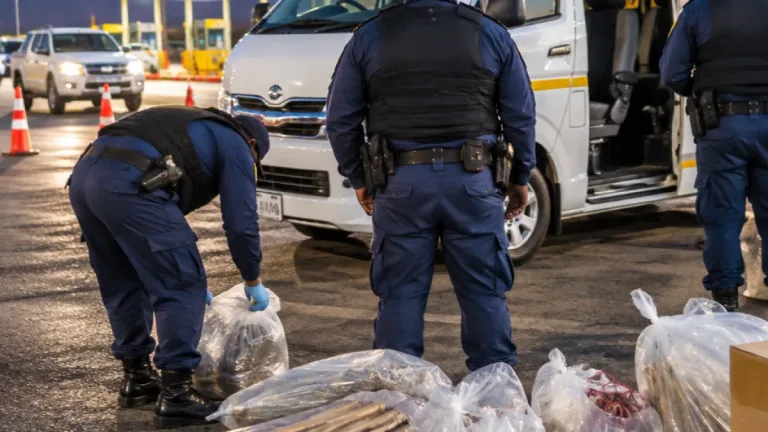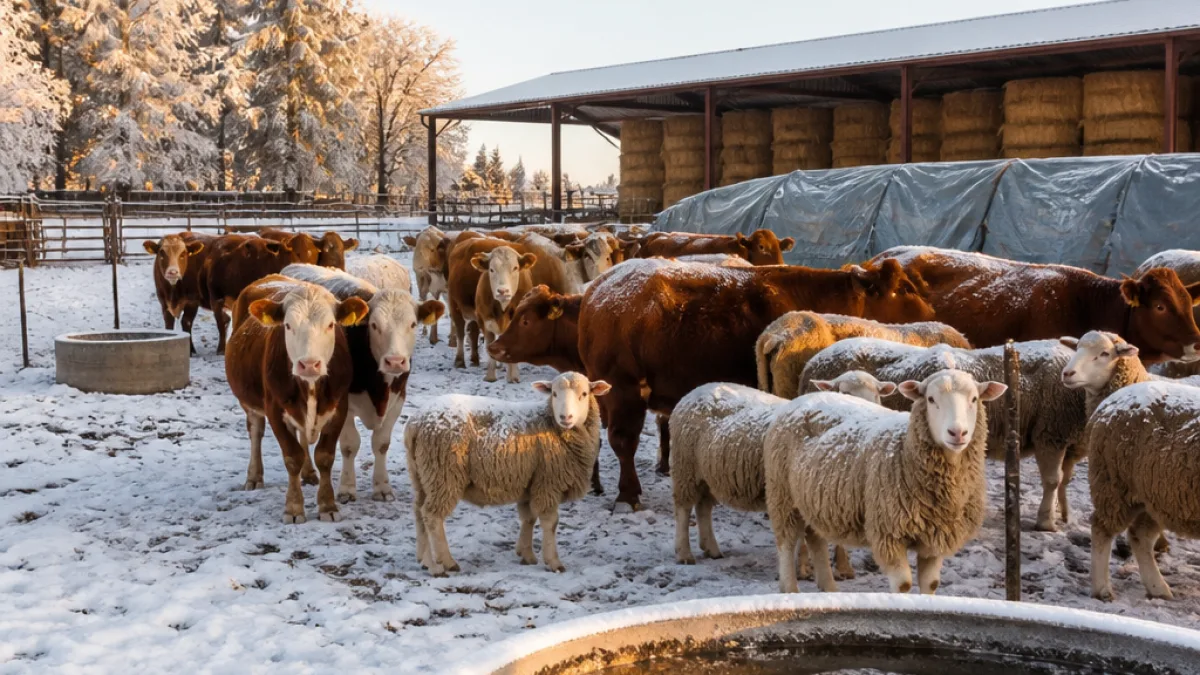
Over a single month, the Free State recorded the theft of more than 1,600 cattle and 730 sheep, losses that authorities value at roughly R8 million. The scale and brutality of some incidents are drawing alarm from farmers, political parties and civil society as stock theft continues to undermine rural livelihoods and food security.
Police steps and community concern
The South African Police Service (SAPS) has urged farmers to boost on-farm security measures — including animal branding, stronger fencing and controlled gate access — while deploying specialised stock‑theft units and track‑and‑trace operations to recover animals and disrupt criminal networks.
Farmers and residents say thefts frequently involve on‑site slaughter and mutilation, with reports of animals being skinned or dismembered. Such practices not only destroy the market value of the animals but also reduce herd productivity and inflict psychological and economic harm on affected households.
“Farmers should no longer suffer livestock and revenue losses because the authorities are failing to fulfil their responsibilities.”
The Freedom Front Plus (VF Plus) made this statement on 19 October, arguing that policing efforts have not reduced stock losses and demanding details on reported cases and prosecutions over the past year. The party says many farmers have lost confidence in state responses and have started financing private security and independent investigations.
National context
The provincial figures echo a broader national problem. Statistics South Africa reported that in the 2024/2025 financial year some 152,000 head of livestock were stolen countrywide, with estimated losses of R1.27 billion. Civil society groups such as AfriForum have called for investigations into alleged police involvement in certain cases following arrests earlier in the year; on 5 September AfriForum publicly demanded inquiries after an arrest of an officer linked to stock‑theft activity.
Community members interviewed in a Newzroom Afrika report on 9 June expressed frustration at the pace of police investigations and raised concerns about porous border controls that facilitate movement between South Africa, Lesotho and Botswana, where stolen animals can be sold or slaughtered.
Practical measures urged for farmers
SAPS has reiterated basic but effective prevention measures and urged co‑operation between farmers and police. Recommended actions include:
- Branding and electronic identification where possible;
- Repairing and reinforcing fences and gates;
- Establishing co‑operative patrols with neighbouring farms or community policing forums;
- Promptly reporting suspicious activity and keeping accurate stock registers to aid recovery and prosecution.
Impact on rural economy
Stock theft affects both commercial producers and subsistence farmers, reducing household incomes, increasing costs for replacement livestock and undermining agrarian resilience. The theft of breeding animals can have multi‑year effects on herd size and productivity, slowing recovery after an incident.
Local agricultural stakeholders say the problem also raises questions about intelligence‑led policing, cross‑border co‑operation and the capacity of provincial law‑enforcement units to follow through from arrests to prosecution. The VF Plus has publicly demanded that the provincial MEC for Community Safety, Roads and Transport provide a transparent account of cases reported and actions taken over the previous 12 months.
| Category | Number reported |
|---|---|
| Cattle | 1,600+ |
| Sheep | 730+ |
| Estimated value | R8 million |
Authorities say specialised stock‑theft units have been deployed to hotspots and that track‑and‑trace operations aim to both recover stolen animals and to build cases against syndicates involved in the trade and slaughter of stolen stock.
What farmers told investigators
Residents and producers who have lost livestock report lengthy waits for investigative follow‑up and worry about evidence preservation when animals are slaughtered quickly. Such delays complicate prosecution and heighten the incentive for communities to seek private security solutions, which can be costly and unsustainable.
As the province prepares for further engagement between farming organisations, political parties and policing structures, prevention and co‑ordinated intelligence remain central to any realistic plan to reduce the scale of stock theft and to protect rural livelihoods.
For now, farmers are advised to implement the practical security steps recommended by SAPS, keep detailed records of animals and brands, and report all incidents promptly so law‑enforcement agencies can build stronger cases against those responsible.