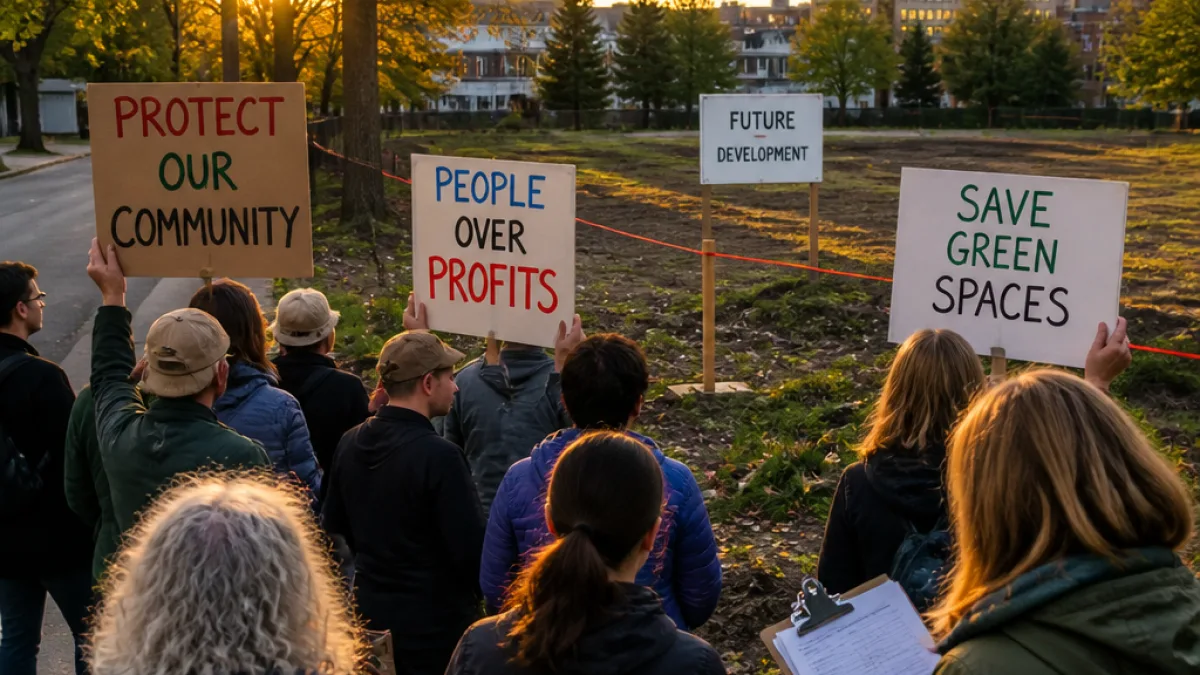
The Cape Coral City Council on Thursday gave final approval to a suite of agreements that formally clear the way for the Bimini East redevelopment, a proposed public-private venture developers and city officials say would represent a roughly $500 million investment along the city’s South Cape waterfront.
What the plan envisions
The project envisions a mixed-use waterfront neighborhood replacing a cluster of storm-damaged properties the city acquired and demolished after Hurricane Ian. City and news reports list slightly different footprints for the development — some put it at 34 acres, while other local coverage describes a 33-acre site — but all accounts describe a compact, transformative plan with hotels, residences, retail and a marina.
Details released during the approval process have varied as the proposal evolved. Early descriptions included two upscale hotel brands — a Hilton and a Marriott — roughly 130,000 square feet of ground-floor retail, medical and office space, a 45-slip marina and between 700 and 900 residential units. At the most recent public hearing, project proponents described the plan as accommodating up to 900 residential units, about 250 hotel rooms and a 50-slip marina.
- Proposed total investment: $500 million over the life of the development.
- Residential units: reported ranges from 700–900, with some reports citing up to 900 units.
- Hotel rooms: approximately 250 at the latest count; two major brands were previously floated.
- Marina slips: described as 45 in early materials and 50 by later reports.
Park relocation and public land terms
A central and contentious element of the agreement involves Four Freedoms Park, a longstanding fixture along the South Cape waterfront. Under the approved deal, the park will be relocated and redesigned as part of the development. The city and the developer agreed to a 99-year lease for park use at a nominal rate of $1 per year, according to local reporting.
“The relocation and redesign of Four Freedoms Park is part of the broader redevelopment agreement,”
That lease arrangement was highlighted repeatedly in public hearings and local coverage, and it figured into conversations about public access, long-term stewardship and the role of public land in private developments.
Resilience, infrastructure and unanswered questions
Project plans call for raising the entire development out of the flood plain and replacing infrastructure on the site, moves city leaders have framed as part of a broader push for hurricane and flood resilience in areas where the city intervened after storm damage. Officials emphasized that elevation and infrastructure work are intended to reduce vulnerability to future storms.
Despite council approval, a number of details remain fluid. The precise configuration of hotels, the final unit count, retail square footage and exact marina capacity shifted during the review process. The mixed and sometimes inconsistent reporting of acreage and specific numbers reflects that continuing evolution.
| Topic | Earlier reports | Later reports |
|---|---|---|
| Acreage | 33 acres | 34 acres |
| Residential units | 700–900 | up to 900 |
| Marina slips | 45 | 50 |
| Hotel rooms | two branded hotels floated | ~250 rooms |
For residents and business owners along Cape Coral’s downtown waterfront, the project promises both opportunity and disruption. Supporters point to economic development, tourism and job creation; opponents and concerned neighbors have raised questions about public access to waterfront land, the scale of development and long-term environmental and traffic impacts.
With final agreements in place, developers can move forward with detailed design, permitting and financing steps. The city’s approval marks a significant milestone in a multi-year effort to rebuild and reimagine parts of the South Cape area after Hurricane Ian’s damage — but many practical decisions about design, timing and public benefits will play out in the months and years ahead.