UK annual inflation rose to 3.5% in September, up from 3.1% in August, the Office for National Statistics has reported, with higher fuel costs from the Middle East conflict cited as the largest single contributor to the increase. Economists had expected inflation to lift to around 3.4%.
Fuel price shock the dominant factor
The ONS identified the rise in the cost of petrol and diesel as the principal driver of the monthly and annual increase. Brent crude has rallied markedly since the end of February amid the war in the region, settling at about $110 a barrel in recent trading, and the effective closure of the Strait of Hormuz to much commercial fuel traffic has tightened global supply.
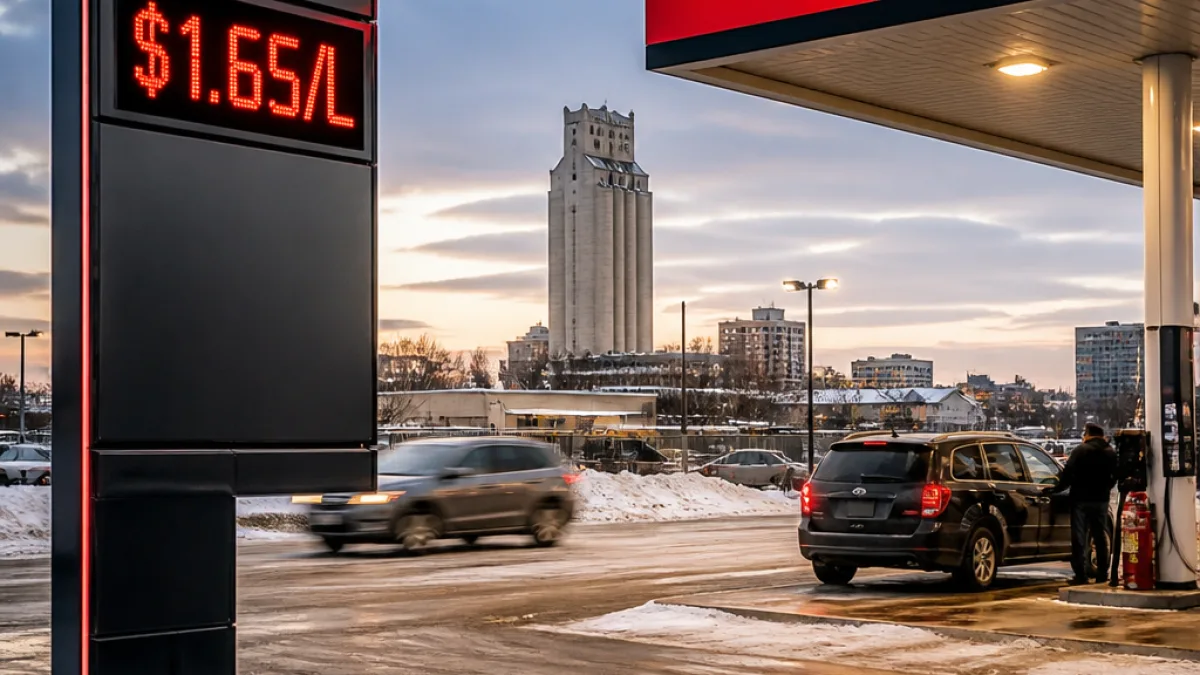
Retail pump prices reflected that pressure: average petrol rose by 8.2p per litre between August and September 2026, reversing a fall of 0.2p a year earlier. Diesel, which has significant refining ties to the Middle East, climbed by 10.7p per litre in the same month, after a 0.4p decline in September 2025. Retail prices hit record levels earlier in the month, with petrol above £1.70 per litre and diesel briefly topping £2 per litre before easing slightly.
Wider inflationary transmission and composition
The ONS noted that air fares, typically weaker after the summer peak, fell by less than usual in September — a movement linked to higher aviation fuel costs. However, there were some offsets within the CPI basket: clothing prices recorded a small decline and food inflation remained fairly subdued, with annual food price growth at 1.3%, helped by supermarket competition that has so far absorbed some transport cost rises.
The composition of the inflation increase indicates that much of the upward pressure stems from imported commodity prices rather than domestic wage-driven inflation. Nonetheless, analysts warn that rising energy costs can feed through to a broader range of goods and services over time, lifting inflation more persistently.
Implications for fiscal and monetary policy
The report arrives with the chancellor preparing to deliver his first budget in a week. Higher inflation, even if centred on energy, complicates the fiscal outlook: the government may see higher nominal tax receipts in the short term but faces pressure to shield households from rising living costs.
Monetary policymakers are widely expected to respond. Bank of England officials are forecast to consider raising interest rates at their next meeting amid warnings that inflation could rise above 4% next year — more than double the Bank’s 2% target — if elevated oil and gas prices transmit into broader cost increases, including commercial haulage and domestic heating bills.
Analysts’ view and likely path ahead
- Economists had anticipated a modest uptick; the outturn was slightly higher than forecast.
- Fuel price volatility, driven by geopolitical disruption, remains the central risk to the inflation outlook.
- Core inflation pressures appear limited for now, with clothing and food providing some offset.
Charlotte O’Leary, an economist at the National Institute of Economic and Social Research, said the recent pattern of rising annual inflation over the past three months was likely to continue through the winter, even if the immediate shock to oil markets eased.
| Indicator | September 2026 | August 2026 |
|---|---|---|
| Headline CPI (annual) | 3.5% | 3.1% |
| Average petrol change (month) | +8.2p per litre | — |
| Average diesel change (month) | +10.7p per litre | — |
| Food price inflation (annual) | 1.3% | — |
The outlook for households is mixed. Those who drive face immediate pressure at the forecourt, while shoppers have seen only modest rises in supermarket prices so far. For policymakers, the central question is whether the current energy-led pass-through will remain transitory or become embedded in wages and services, prompting a stronger monetary tightening and complicating the chancellor’s fiscal choices.
The ONS figures will now be scrutinised by Treasury officials and the Bank of England as they weigh the near-term course for interest rates and fiscal interventions in the face of persistent global energy uncertainty.