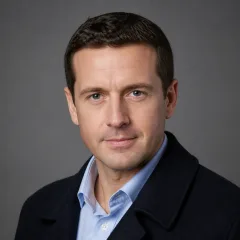

The leaders of police services across the Pacific have formally established a single regional policing body to coordinate responses to transnational criminal networks, announcing the Pacific Community of Policing — PACPOL — with Royal Papua New Guinea Constabulary Commissioner David Manning named its inaugural chair.
What PACPOL is designed to do
Endorsed during the 53rd Pacific Islands Chiefs of Police Conference, the new body brings together the Pacific Islands Chiefs of Police and the Pacific Police Initiative into a single, Pacific‑led organisation. Delegates agreed the constitution for PACPOL at the conference, which ran from 13 to 16 October and concluded with the announcement on the final day at the Crowne Plaza Resort Saipan in Garapan.
Organisers said PACPOL will prioritise strengthening cooperation between island jurisdictions through pooled expertise, shared training, improved intelligence exchange and coordinated operational resources to disrupt networks that exploit gaps between sovereignties.
Threats driving the initiative
Commissioner Manning set out what he described as the region’s chief policing concerns — criminal activity that crosses borders and requires joint effort to address. He cited a series of offences that have motivated the formation of PACPOL:
- Drug trafficking
- Human smuggling
- Child sexual exploitation
- Money laundering
- Firearms trafficking
“Transnational crime is crime that basically does not respect borders,”
Manning emphasised the particular vulnerability of the Pacific to criminal networks that move personnel, illicit goods and finance across multiple small jurisdictions, posing challenges that single nations can struggle to confront alone.
Operational aims and realism about capacity
Officials explained PACPOL will be judged on operational results rather than the frequency of meetings, with an emphasis on dismantling criminal networks, intercepting illicit consignments and providing practical support to policing on the ground. Manning said the organisation will combine training, intelligence and operational capabilities held by member forces.
When asked whether PACPOL aspired to function as a regional equivalent of Interpol, Manning acknowledged that was the long‑term objective but warned that significant work remains to reach that level of capability. The intention, he said, is to build a Pacific‑centred mechanism capable of sustained cross‑border law enforcement cooperation.
Initial structure and expectations
While the constitution received endorsement at Saipan, the announcement did not detail an exhaustive operational blueprint or immediate funding commitments. Instead, organisers signalled a phased approach that will rely on member jurisdictions contributing expertise, resources and access to information that can be acted upon collectively.
Observers at the conference said the consolidation is intended to address long‑standing fragmentation in the region, where disparate legal frameworks, limited forensic and intelligence capacity and logistical constraints have allowed criminal groups to exploit jurisdictional gaps.
| Primary threat | Intended PACPOL response |
|---|---|
| Drug trafficking | Joint operations, intelligence sharing, interdiction |
| Human smuggling | Coordinated border enforcement, regional intelligence |
| Child sexual exploitation | Cross‑jurisdiction investigations, specialist training |
| Money laundering | Financial investigations, information‑sharing protocols |
| Firearms trafficking | Operational disruption, evidence‑led seizures |
Success will depend on establishing robust mechanisms for timely intelligence exchange, legal arrangements for mutual assistance and resourcing for investigative capacity. Smaller island states in the Pacific frequently lack the specialist units and forensic facilities needed to pursue complex financial and organised crime investigations; PACPOL aims to plug some of those capability gaps by pooling regional skills and assets.
Implications and next steps
By creating a single, Pacific‑led policing organisation, member states are signalling a political commitment to collective action against organised crime. The immediate priorities will be translating the constitution into workable operational arrangements and building trust between services so that intelligence can be shared securely and acted upon.
The coming months are likely to see workstreams established to define information‑sharing protocols, joint training programmes and taskforces to tackle the priority offences identified at Saipan. For law enforcement across the Pacific, the test will be whether PACPOL can convert diplomatic endorsement into tangible interdictions, arrests and successful prosecutions that disrupt the organised crime groups operating across the region.
For now, the announcement positions PACPOL as a focal point for regional police cooperation and sets out a framework intended to make cross‑border criminality harder to sustain.