Panipat: Preparatory work for the proposed Delhi–Panipat–Karnal Namo Bharat corridor has moved forward with an agreement between Tata Power Delhi Distribution Ltd (Tata Power-DDL) and the National Capital Region Transport Corporation (NCRTC) for shifting electrical infrastructure affected by the project.
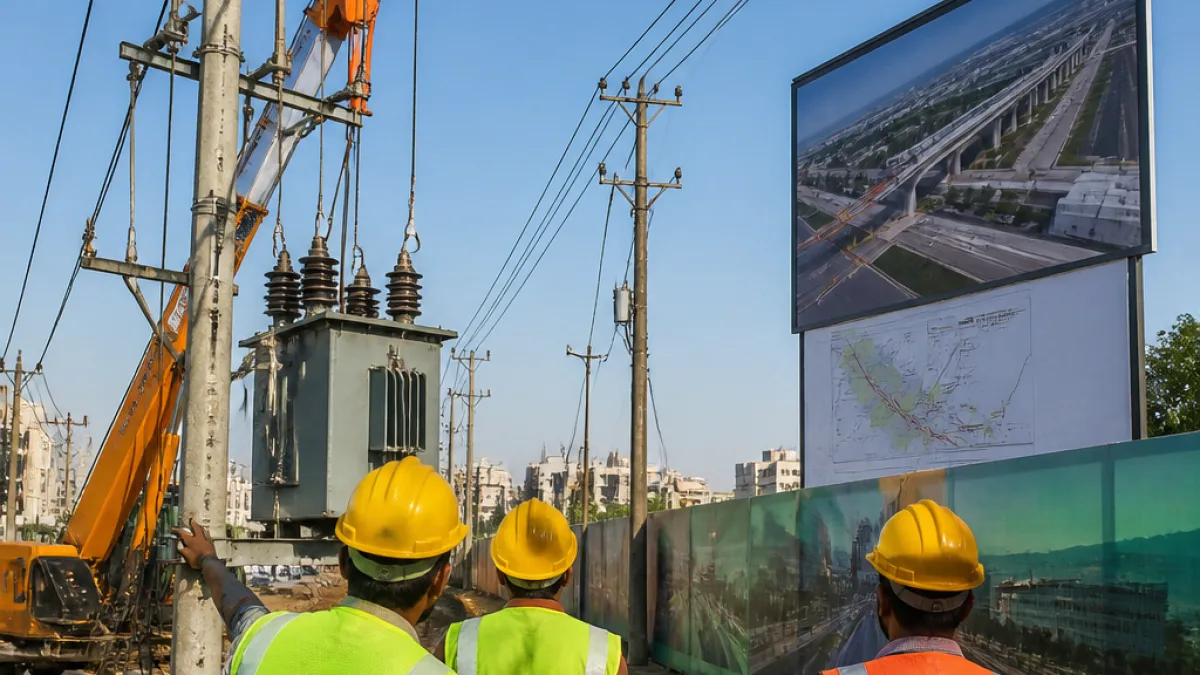
The pact covers the relocation of power networks and related equipment along the planned 136.3-km rapid transport corridor. Tata Power-DDL will oversee the shifting of electrical assets under the arrangement and provide the required permissions to NCRTC. The work is expected to be completed within one year of its commencement, subject to the project schedule and coordination among the agencies responsible for the affected networks.
Panipat’s place in the regional link
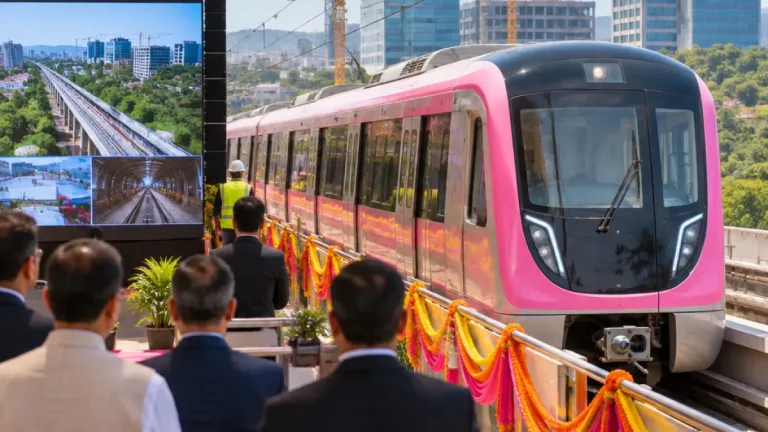
The corridor is planned to connect Delhi with Panipat and Karnal, bringing the city within a faster public transport network for the National Capital Region. It is designed to have 21 stations, with six located in Delhi and 15 in Haryana. For Panipat residents, the planned stations and associated construction will be important not only for daily travel but also for access to employment, education, markets and public services across the wider corridor.
The project is proposed as a high-speed regional transport system, with trains planned to operate at a maximum speed of 180 kmph and an average operating speed of 160 kmph. Services are expected to run at intervals of five to 10 minutes. The Delhi–Karnal journey is estimated to take about 90 minutes once the corridor becomes operational, according to the project details.
Large-scale electrical relocation planned
Utility shifting will be a significant part of the civil works because the alignment passes through areas containing power transmission and distribution assets. The project documentation identifies 38 extra-high-voltage lines at different levels, including 765 kV, 400 kV, 132 kV and 66 kV lines. Other networks at 33 kV, 11 kV and 415 V will also be affected, along with transformers and other electrical installations.
| Project feature | Planned provision |
|---|---|
| Total corridor length | 136.3 km |
| Stations | 21, including 15 in Haryana |
| Elevated section | 124.82 km |
| Underground section | 11.48 km |
| Train frequency | Every five to 10 minutes |
The corridor will include 124.82 km of elevated track and 11.48 km of underground alignment. Relocating electricity lines before or alongside construction is intended to reduce clashes between transport structures and existing networks. It also makes safety and service continuity central concerns for communities along the route, particularly where overhead lines, transformers or distribution equipment have to be moved.
Coordination among agencies
Electrical infrastructure in the project area is managed by more than one agency, including BSES, Tata Power-DDL and Uttar Haryana Bijli Vitran Nigam Ltd (UHBVNL). The agreement is therefore intended to establish a coordinated process for permissions, supervision and compliance with statutory requirements. The stated objective is to ensure that utility relocation meets standards relating to safety, reliability and regulatory compliance.
- Power lines and transformers will be adjusted or relocated where they interfere with construction.
- Tata Power-DDL will supervise the shifting covered by the agreement.
- NCRTC will require permissions before carrying out the relevant works.
- The relocation programme is scheduled for completion within a year of starting.
The memorandum was signed by Kiran Gupta, chief of customer experience, commercial and corporate communications at Tata Power-DDL, and Vijay Kumar, company secretary at NCRTC, in the presence of senior representatives of both organisations. The project has been classified as an initiative of national importance and is being monitored through the Centre’s Project Monitoring Group portal.
For Panipat and the surrounding rural and urban areas, the immediate impact will come from construction planning, access requirements and the movement of utility infrastructure. Clear coordination will be essential to prevent avoidable disruption to electricity services while the alignment is prepared. In the longer term, the proposed link could strengthen regional mobility, but its benefits will depend on timely execution, safe utility management and effective integration of the stations with local roads and neighbourhoods.