Gangtok: Sikkim’s milk production has grown by 79 per cent in the past decade, reaching 2.45 lakh litres per day from 1.37 lakh litres, Union Minister Rajiv Ranjan Singh said on Tuesday, as he called for stronger dairy cooperatives and improved facilities to raise farmers’ earnings.
Singh, the Union Minister for Fisheries, Animal Husbandry and Dairying and Panchayati Raj, reviewed the state’s dairy development during a visit to the Sikkim Co-operative Milk Producers’ Union Limited at Tadong. The expansion, according to a statement issued by the Information and Public Relations Department, has been accompanied by a larger cooperative network and a rise in the number of farmers linked to organised dairy activity.
Cooperative network expands
The number of dairy cooperative societies in Sikkim increased from 389 in 2014-15 to 733 in 2025-26. Over the same period, the number of farmers associated with the cooperatives rose from around 10,000 to 16,000. The figures indicate a widening institutional base for milk collection and marketing in the state.
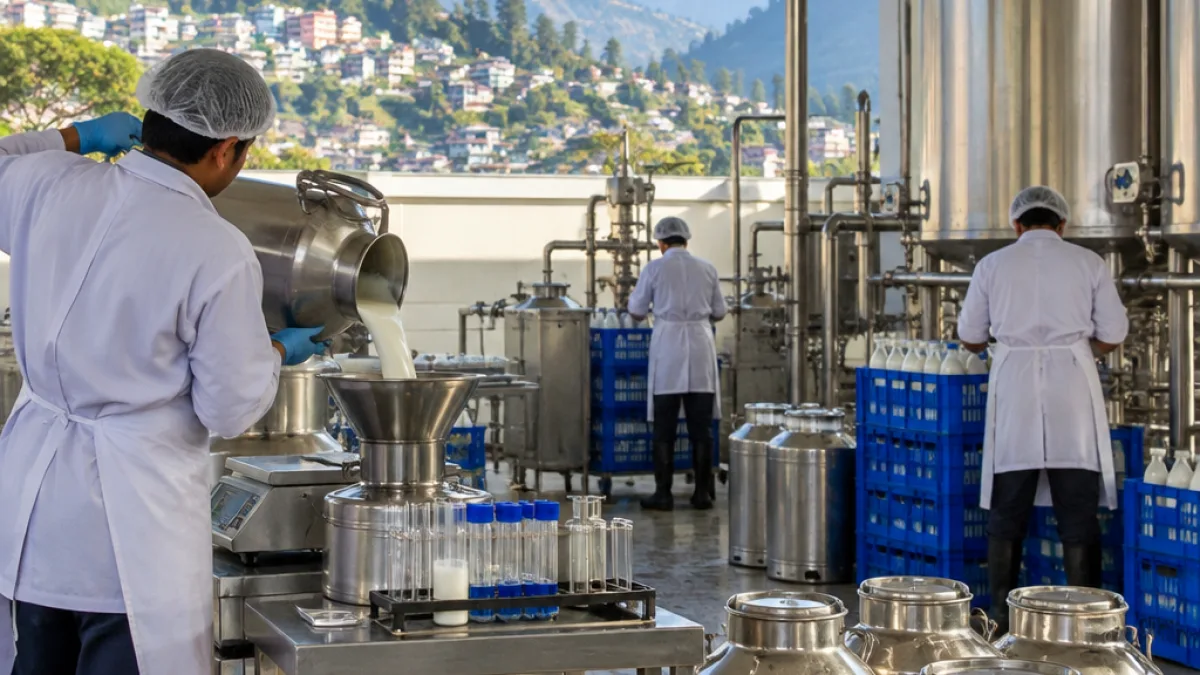
Milk procurement also recorded a sharp increase. Daily procurement rose from 17,000 litres to 61,000 litres during the period, the department said. The increase in procurement is significant for the functioning of the cooperative system because it connects production at the farm level with collection, testing, processing and eventual sale.
| Indicator | Earlier level | Latest level |
|---|---|---|
| Milk production per day | 1.37 lakh litres | 2.45 lakh litres |
| Dairy cooperative societies | 389 | 733 |
| Farmers linked to cooperatives | About 10,000 | 16,000 |
| Milk procurement per day | 17,000 litres | 61,000 litres |
Focus on quality and processing
The minister said organised cooperatives were important for ensuring remunerative and fair prices for dairy farmers. He also underlined their role in systematic milk testing, quality maintenance and safeguarding consumer interests. For Sikkim, where the cooperative system is central to the collection and distribution of milk, these functions are closely linked to the reliability of the supply chain.
Singh said infrastructure would need to expand in line with rising output and market requirements. He called for greater attention to chilling and processing capacity, which can help the system handle milk after collection and support the manufacture of products beyond liquid milk. He also advocated value-added dairy products as a way of increasing returns from production and strengthening rural livelihoods.
Productivity and fodder priorities
The Union minister stressed that higher production must be supported by better livestock productivity. His priorities included improving the performance of dairy animals, strengthening procurement and developing products with greater market value. The programme also featured the launch of Churpi Traceability and Fodder Plus Farmer Producer Organisation products, linking local dairy-related activity with traceability and farmer-led production initiatives.
- Expand milk chilling and processing facilities.
- Improve livestock productivity and fodder support.
- Strengthen cooperatives to secure fair prices and maintain quality.
- Promote value-added dairy products to improve rural incomes.
New laboratory facilities
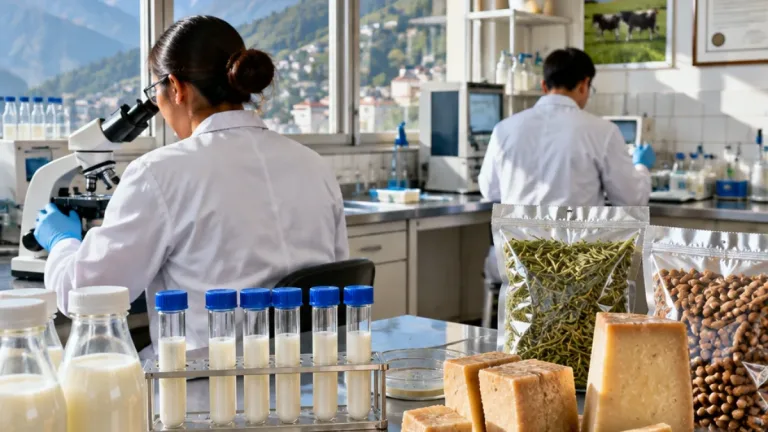
During the visit, Singh inaugurated a microbiology laboratory at the Sikkim Milk Union Processing Plant. Another microbiology laboratory at Karfectar was inaugurated virtually. The facilities add testing infrastructure to the state’s dairy system and are intended to support more systematic attention to milk quality as procurement and production increase.
The minister also visited exhibition stalls displaying dairy products and related initiatives. The programme brought together the state’s cooperative milk union and institutions involved in dairy development, with the expansion of production being presented as an opportunity that must now be matched by improvements across the chain—from farm-level productivity and collection to testing, processing and marketing.
Regional dairy development
Referring to India’s position as the world’s largest milk producer, Singh said continued support for dairy farmers was particularly important in the Northeast. The Centre’s emphasis, as outlined during the programme, is not limited to increasing the volume of milk. It also covers the organisation of producers, protection of quality, better infrastructure and the creation of products that can generate stronger returns for rural households.
For Sikkim, the immediate challenge is to sustain the growth recorded over the last ten years. The rise from 1.37 lakh litres to 2.45 lakh litres a day has increased the scale of the state’s dairy economy, while the expansion of cooperatives has brought more farmers into the formal network. The next phase will depend on whether procurement, cold-chain and processing facilities can keep pace with production and whether productivity and value addition translate into higher and more stable incomes for the farmers involved.