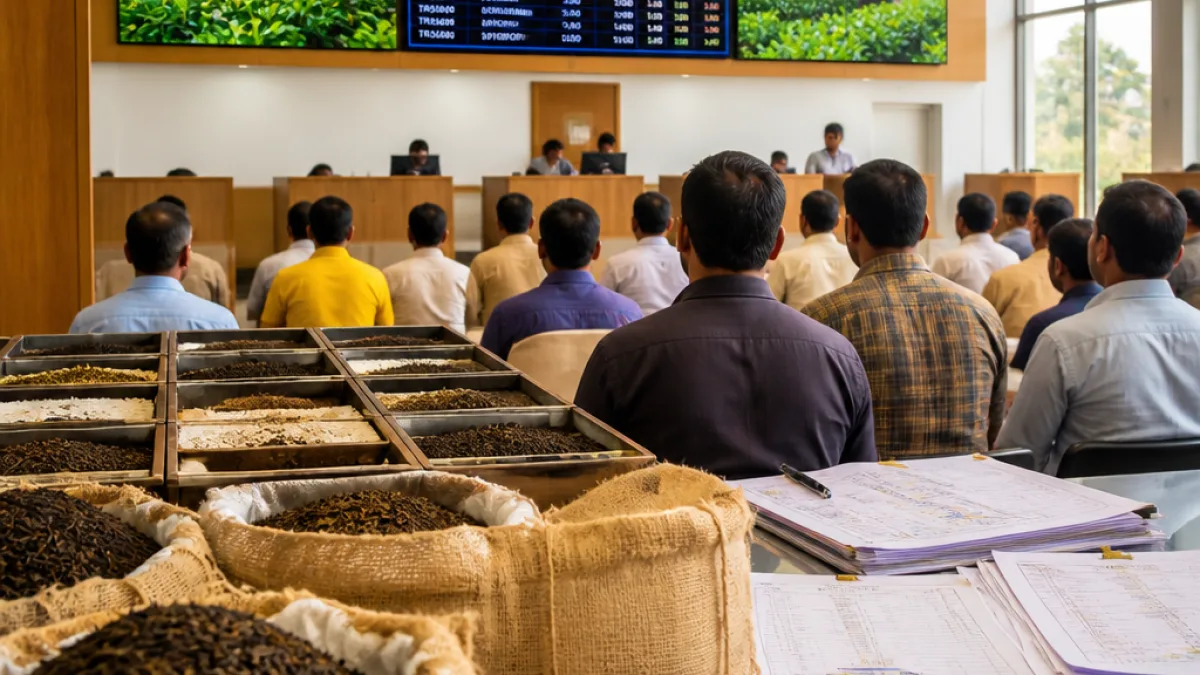
New market platform for Tripura tea
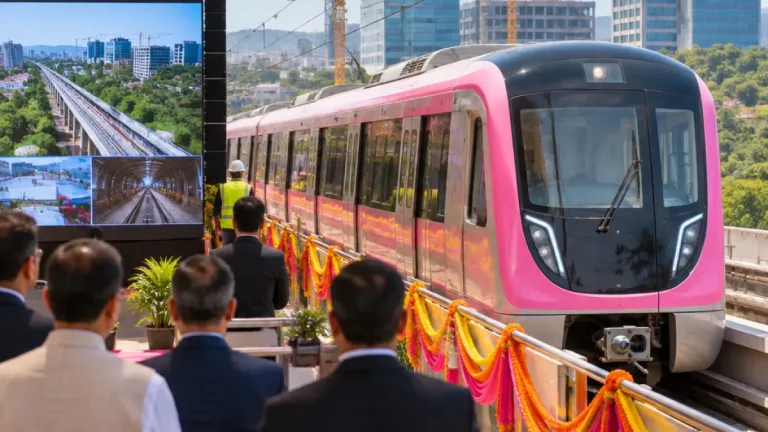
Tripura Chief Minister Manik Saha on Wednesday inaugurated the state’s first tea auction centre at PN Complex in Agartala, describing the facility as an important step towards strengthening an industry linked to thousands of growers and workers. The centre is expected to give tea producers a more organised local platform for selling their produce, while reducing the cost and logistical burden involved in taking tea to markets outside the state.
For small growers and tea gardens, the proposed benefits are tied directly to the price they receive for their crop. Saha said the Agartala facility would help producers secure better prices, cut transportation expenses and provide support to the tea sector. The initiative comes as the state government continues efforts to revive struggling gardens and improve the livelihoods of people dependent on tea cultivation and processing.
“This is a very important and significant day for us, and it will be written in the history of Tripura,” Chief Minister Manik Saha said.
Industry figures highlighted
Addressing the inauguration programme, Saha said Tripura’s soil and climatic conditions were well suited to the production of quality tea. He placed the state at third in tea production nationally and second among the states of the Northeast. The figures cited by the Chief Minister indicate the scale of the industry and the potential importance of a market facility located within Agartala.
| Indicator | Figure cited by the Chief Minister |
|---|---|
| Annual tea production | 70–100 lakh kg |
| Tea gardens | About 54 |
| Small tea growers | Nearly 2,000–2,800 |
The state’s tea output is estimated at between 70 lakh and 100 lakh kilograms a year, while around 54 tea gardens and nearly 2,000 to 2,800 small tea growers are associated with the industry, according to the Chief Minister. A local auction mechanism could be especially significant for producers who face higher expenses when moving their harvest to distant trading centres, although the actual benefit will depend on participation, price discovery and regular operations at the facility.
Focus on gardens and worker families
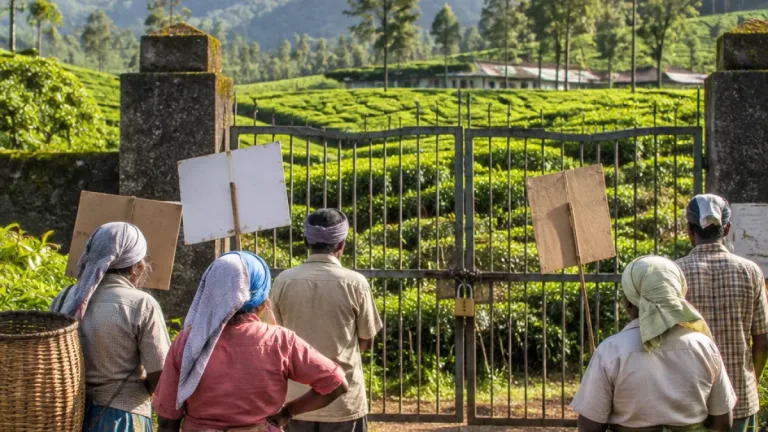
Saha said the government had taken steps since 2018 to improve infrastructure in tea gardens and extend welfare support to workers and their families. These measures include initiatives connected with education and the welfare of workers’ children. He said efforts were also under way to bring tea gardens facing difficulties back to a more productive and sustainable condition.
The government’s stated objective, he said, was not limited to raising the volume of tea produced. It also involved creating greater financial security for families connected with the sector and expanding employment opportunities. That approach places the auction centre within a wider livelihood strategy: improving the route from cultivation to sale, while also supporting the people who depend on tea gardens for their income.
- Growers: access to a local selling platform and the possibility of improved price realisation.
- Tea gardens: lower movement costs and support for recovery from prolonged difficulties.
- Workers and families: continued focus on welfare, education and employment-linked security.
Agartala’s role in the tea economy
The inauguration makes Agartala the location of a state-level commercial facility intended to connect Tripura’s tea producers with buyers. Saha credited government departments and other stakeholders for helping realise the project and described it as part of the broader “Team Tripura” effort. He also referred to Prime Minister Narendra Modi’s emphasis on setting ambitious goals and converting them into working development initiatives.
For Tripura’s tea economy, the immediate significance of the centre lies in bringing a key part of the marketing process closer to producers. If it functions as intended, growers and gardens will have a more accessible avenue to present their produce, while the state can retain greater focus on building an industry that combines production, market access and worker welfare. The opening therefore marks not only a new facility in Agartala, but also an attempt to make tea a more dependable source of income across the state.