Oakland puts data center decisions on hold
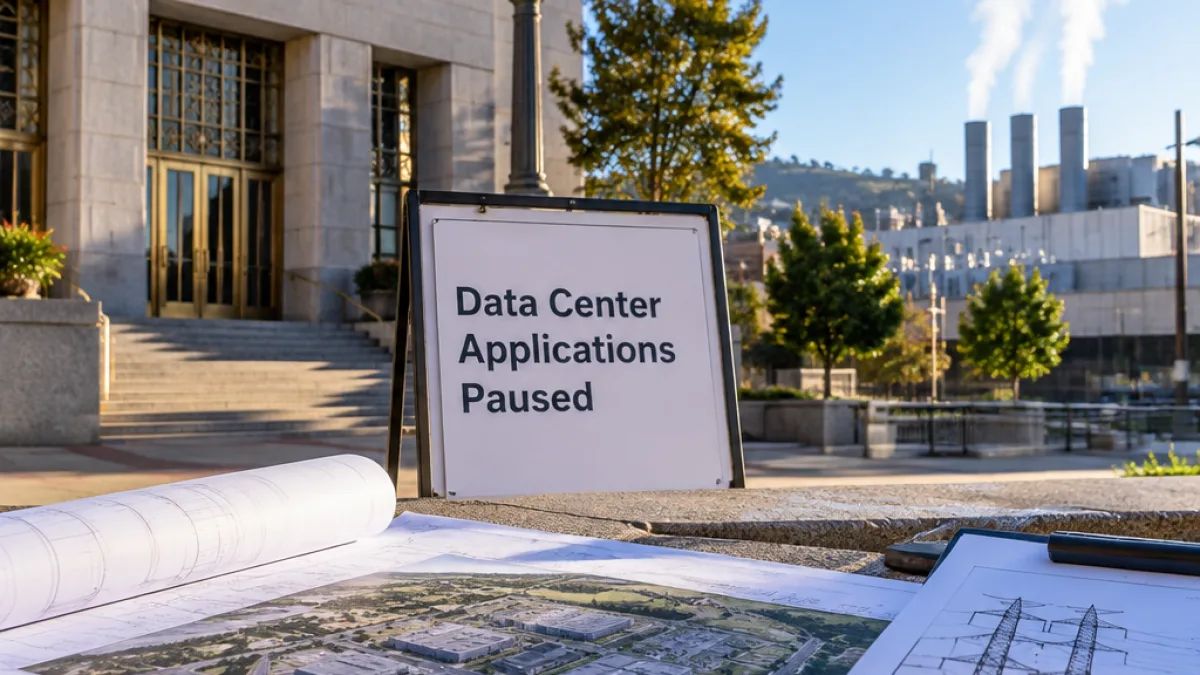
The Oakland City Council voted unanimously Tuesday to keep a moratorium on new data center requests in place until next October, extending a temporary pause while city officials develop a framework for evaluating the facilities. The extension lasts 10 months and 15 days, giving the Planning and Building Department additional time to study potential regulations and development standards.
The decision follows an October vote approving an urgency ordinance that created an initial 45-day moratorium. Rather than move directly toward considering individual proposals, the city is using the extended period to examine how data centers should be reviewed and what requirements may be appropriate if future projects are proposed in Oakland. The approach puts infrastructure and environmental questions at the center of the city’s technology policy.
Staff will examine infrastructure and emissions
City staff has outlined a process that includes research into how other cities handle data center development. The Planning and Building Department also intends to consult with local utilities and regional agencies about capacity and possible impacts. Those discussions are expected to include PG&E, the East Bay Municipal Utility District, the Bay Area Air District and Ava Community Energy.
One concern involves backup generators that could be associated with data center operations. William Gilchrist, the city’s director of Planning and Building, said the department wants to understand how those generators could affect air quality and ensure the issue is addressed in whatever rules Oakland ultimately adopts.
“The air quality district, we're most concerned about the impact of any generators that might be associated with these facilities.”
That focus reflects the practical questions that accompany large, energy-intensive technology facilities: whether local systems can support them, how their operations would interact with existing infrastructure, and what safeguards should apply to equipment used during power disruptions. The city has not yet adopted new standards. Instead, officials are gathering information before recommending a permanent regulatory approach.
Public input is part of the proposed process
The department plans to launch a project website by the end of the year and make community outreach and participation a priority. Staff also expects to hire an outside consultant as the research proceeds. The website and outreach process will give residents a formal way to follow the work and weigh in before recommendations move through the city’s planning system.
The next major review will come from the Oakland Planning Commission. Recommendations developed by Gilchrist and his staff will be presented to the commission for input before returning to the City Council for a final decision. That sequence creates several stages for public and policy review rather than leaving the city’s data center rules to a single vote.
| Milestone | Details |
|---|---|
| Initial pause | 45-day moratorium approved in October |
| Current extension | 10 months and 15 days, through next October |
| Next steps | Research, outreach, agency consultation and Planning Commission review |
For Oakland, the moratorium is both a pause and a policy test. The city is weighing how to prepare for possible technology development while requiring more information about power, water, air quality and community concerns. The unanimous vote does not settle those questions, but it establishes time for staff, residents, utilities and regulators to shape the standards that will guide any future data center proposals.
- City Council: unanimously approved the extension.
- Planning staff: will research regulations, consult agencies and seek community input.
- Future decision: recommendations will go to the Planning Commission before returning to the council.