Across Orange County, advocates and volunteers are documenting a troubling pattern of immigration enforcement that is leaving families shaken and raising urgent questions about the methods federal agents use to identify and detain residents.
Local workers, sudden detentions
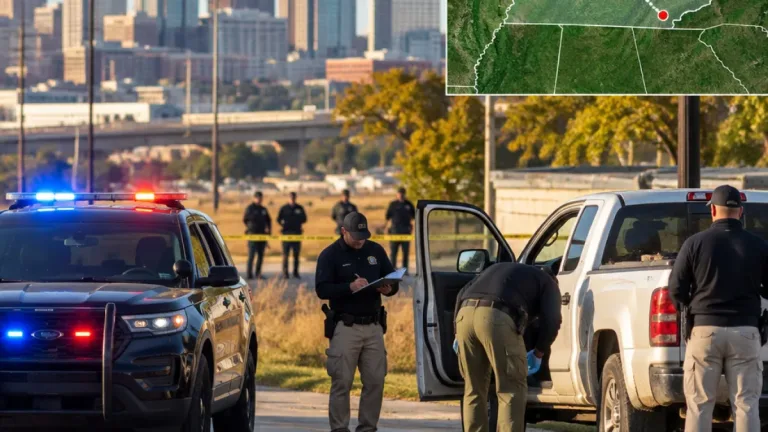
In one account, a work truck was left parked with a steaming cup of coffee and a half‑eaten Danish after Immigration and Customs Enforcement agents took the driver into custody following a roadside stop. The driver had gone out for routine errands and never returned. Community volunteers then faced the immediate task of notifying his wife and helping the household locate medical care and legal assistance.
These incidents are not isolated, according to community rapid‑response groups. Volunteers report multiple instances in which Latino men driving landscaping and construction trucks have been stopped by federal agents and taken into custody, with vehicles abandoned at the scene. The arrests have reverberated through neighborhoods where immigrants form an essential part of the workforce and community life.
“His story is becoming increasingly familiar across Orange County.”
What the data shows
Research cited by local scholars underscores the scale and stakes of enforcement. An estimate from USC’s Equity Research Institute indicates approximately 211,000 undocumented immigrants live in Orange County. Many have long ties to the region: roughly three‑quarters have lived in the United States for more than a decade, according to the same research.
| Measure | Value |
|---|---|
| Estimated undocumented population | 211,000 |
| Share in building/grounds occupations | 33% |
| Share in construction trades | 29% |
| Share of employed undocumented adults who are small business owners | 15% |
Community fallout and legal questions
Advocates describe immediate consequences for families: sudden loss of income, interruption of medical treatment, and emotional trauma for U.S. citizen spouses and children left behind. Local volunteer groups have stepped in to locate detainees, arrange for medication and try to stabilize households. But those efforts cannot replace long‑term legal protections or transparent oversight of enforcement tactics.
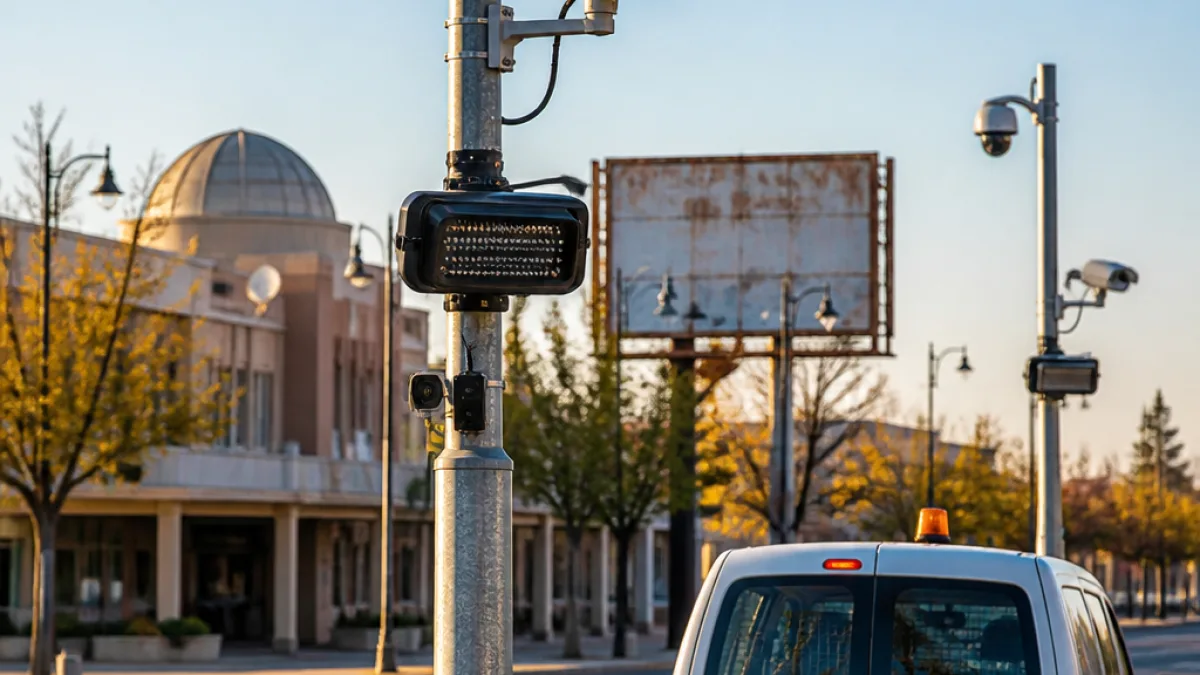
Civil rights researchers and community organizers are asking how agents are selecting targets for stops. The broader concern is the expanding use of government databases and surveillance technologies that can identify people in everyday contexts — often with limited public scrutiny. That expansion raises questions about accuracy, due process and the possibility of misidentification.
- Volunteers report repeated roadside stops of workers in service and construction industries.
- Scholars warn that surveillance systems and databases can magnify enforcement reach with little transparency.
- Families report urgent needs for legal assistance, medication continuity and economic support after detentions.
Policy implications for Orange County
Orange County’s large, long‑standing immigrant population plays a central role in sectors such as construction and grounds maintenance. Any enforcement strategy that targets workers in those fields threatens not only individual households but also local businesses and municipal services that rely on that labor pool.
Local officials, legal aid organizations and civil‑liberties groups face a set of practical choices: expand community legal services, press for transparency about federal enforcement protocols, and explore county‑level policies to protect public health and continuity of services when key workers are abruptly detained. Advocates also urge better coordination among local law enforcement, social services and immigrant‑support networks to ensure families receive timely information and aid.
As enforcement in Southern California intensifies, the county will have to balance public‑safety responsibilities with protecting the civil liberties and economic stability of communities where many residents have deep roots. The questions raised by volunteers and scholars—about how people are identified, who is targeted, and the role of surveillance—are likely to shape local debate and policy decisions in the months ahead.