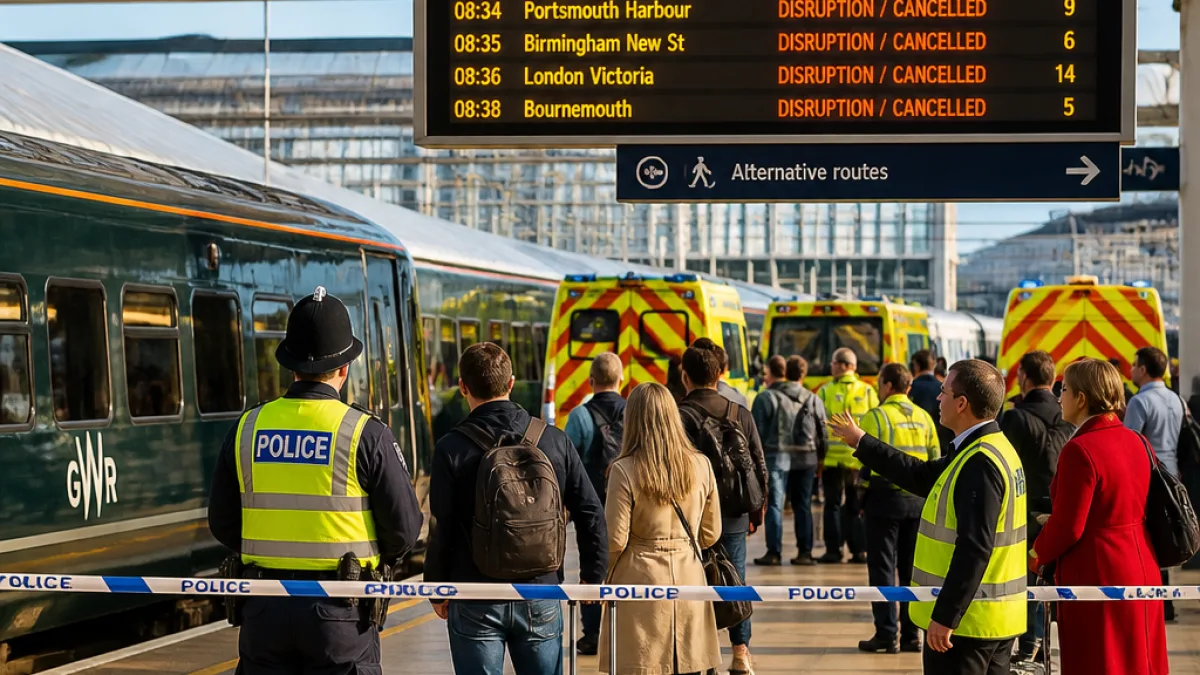
Evening rush plunged into disruption
Commuters across south-west London encountered severe travel disruption on Thursday evening after a police incident between Woking and Brookwood led to the closure of railway lines out of London Waterloo. Services on multiple routes were brought to a standstill along the affected stretch, provoking long delays, cancellations and overcrowding at major stations.
Rail operator South Western Railway (SWR) and National Rail issued warnings to passengers as the incident unfolded, saying some trains could be cancelled, diverted or subject to significant delay. National Rail warned that major disruption was expected to continue until the end of the day.
Passengers stuck, queues and cancelled trains
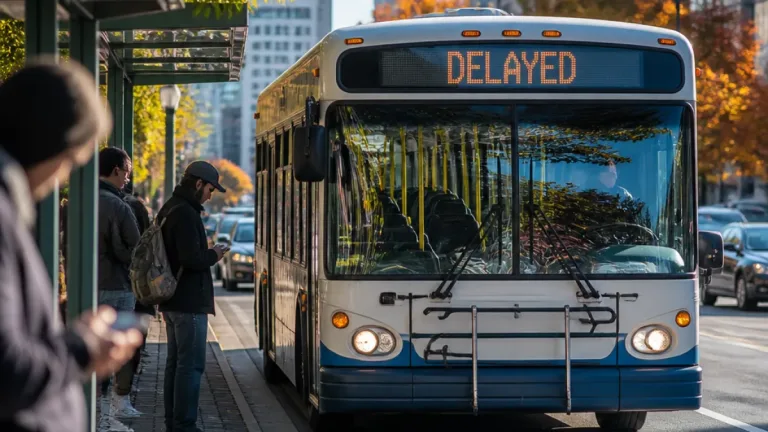
Commuters reported lengthy waits and overcrowding at stations. Some said they had been left unable to get home, while others claimed they had been sitting on trains for hours as services ground to a halt. Reports from Wimbledon described such heavy congestion that staff were reportedly stopping passengers from descending to platforms for safety reasons.
- Lines closed between Woking and Brookwood.
- Routes affected include services between London Waterloo and Exeter St Davids, and journeys between Woking and Basingstoke.
- SWR authorised customers to book taxis to complete journeys between Waterloo and several destinations.
SWR said customers could book taxis to travel between London Waterloo and Woking, Guildford, Alton, Basingstoke, Salisbury and Southampton Central. The operator also indicated that some services might be rerouted to avoid the affected section.
| Issue | Effect |
|---|---|
| Line closure (Woking–Brookwood) | Services cancelled/diverted; long delays |
| Stations affected | Waterloo, Wimbledon and other south-west London hubs |
| Operator guidance | Passengers authorised to book taxis for specified journeys |
“Please can you tell me if the line is open yet. I’ve been at Waterloo since 4.30…”
The post on X from a passenger captured the frustration of many. Another common refrain from travellers was that they felt “stuck” as evening plans were thrown into disarray and information remained scarce for long periods.
Operational response and passenger options
Emergency services were reported to be at the scene. The precise nature of the police incident had not been confirmed by transport operators or the emergency services at the time of reporting.
SWR’s authorisation for customers to book taxis was a practical concession intended to reduce the pressure on station concourses and help people complete their journeys. National Rail added that some services would be diverted to avoid the affected area, while others might be cancelled entirely.
For many Londoners, Waterloo is the busiest station in terms of passenger numbers, and any sustained closure on the approaches to the terminus ripples across the capital’s transport network. The evening peak is especially vulnerable to such incidents, with alternative routes, buses and taxis already under strain at the busiest times.
Local consequences and what to expect
Commuters were advised to check live travel updates from SWR and National Rail before setting out and to allow extra time for journeys. Those whose travel plans rely on the affected routes should consider alternative modes of transport where possible or make use of the taxi authorisation if eligible.
Transport disruption of this scale typically generates knock-on effects: station crowding, extended dwell times, and delayed services on connecting lines. With National Rail warning that disruption could persist into the evening, many passengers faced uncertain journeys home.
Emergency services were contacted for comment. Operators continued to provide updates via their official channels as the situation developed.