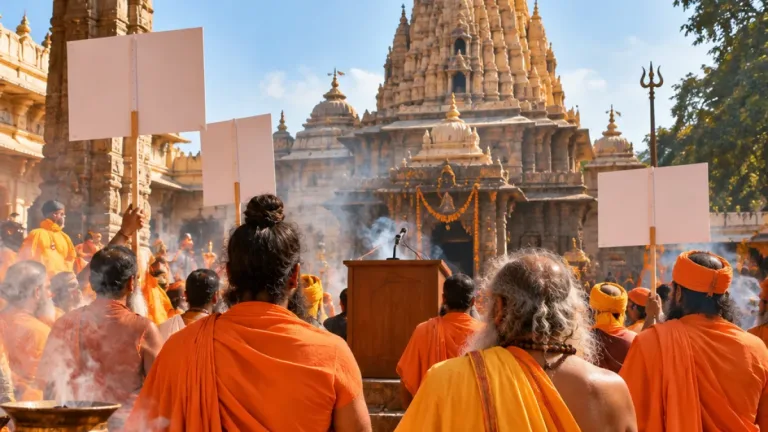
Dehradun: Uttarakhand has proposed an allocation of around ₹290 crore for preparations for the Haridwar Kumbh as part of its ₹7,844.18-crore supplementary budget for 2026-27, placing infrastructure and facilities for pilgrims at the centre of its planning for the major religious gathering.
The proposed spending is aimed at ensuring that arrangements begin well ahead of the event. The allocation comes alongside separate funding for riverfront and ghat connectivity works, water supply schemes and rehabilitation in areas affected by land subsidence, reflecting the state’s effort to combine religious-tourism infrastructure with essential public services.
Focus on facilities in Haridwar
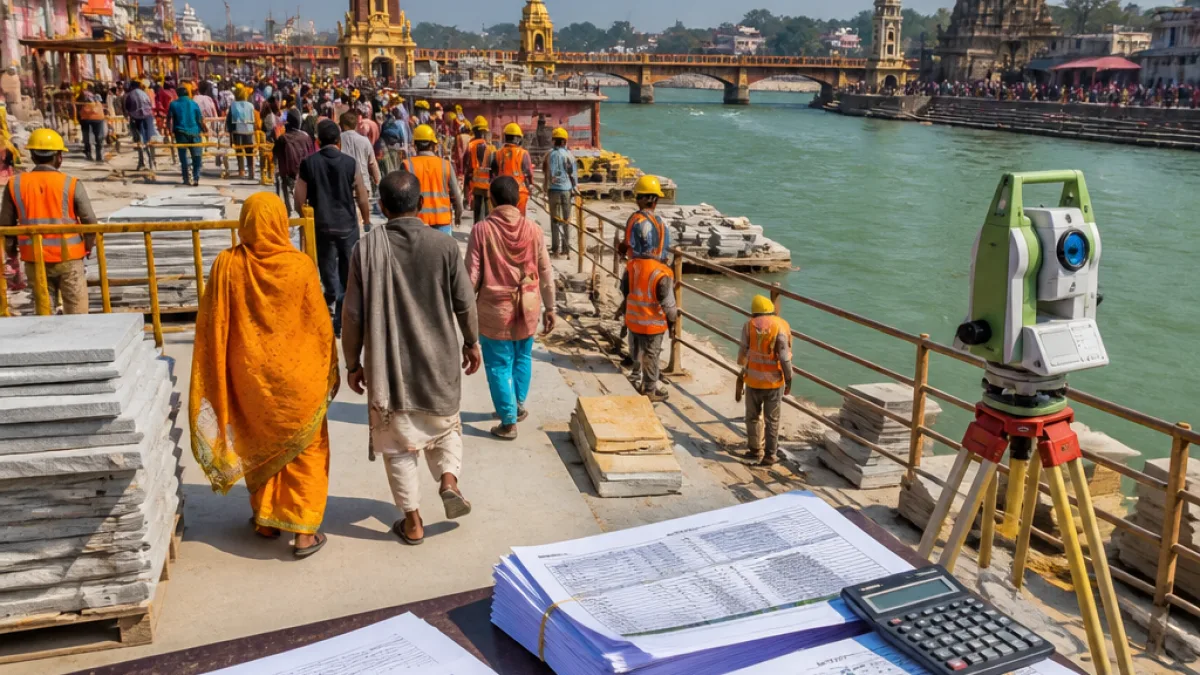
Of the proposed Kumbh-related allocation, another ₹30 crore has been set aside for the Haridwar-Ganga Corridor. The project is intended to improve links between ghats, support crowd management and assist in developing the riverfront before the gathering.
For Haridwar, where a large religious congregation places heavy demands on movement and public facilities, these works are expected to form part of the wider preparation programme. The budget details, however, do not specify the individual projects to be taken up under the ₹290-crore provision or the timeline for their completion.
“Preparations for Divya Kumbh must start early to ensure seamless facilities for devotees,” a senior government official said.
The same official said the supplementary budget sought to balance religious faith with the facilities required by people attending the event. The emphasis on early preparation is significant because the proposed works cover both visitor-facing infrastructure and systems needed to manage large crowds in a city that will host the gathering.
Support for Nanda Rajjat Yatra
The budget also proposes ₹20 crore for arrangements and infrastructure for the Nanda Rajjat Yatra, an important pilgrimage associated with Uttarakhand’s cultural traditions. The allocation is intended to support the safe and organised conduct of the yatra.
The government has described the pilgrimage as closely linked to the state’s Himalayan heritage. Funding for its arrangements places the yatra alongside the Haridwar Kumbh in the supplementary budget’s wider religious and cultural infrastructure focus, although the source details do not list the specific facilities or works to be financed.
“Nanda Rajjat is not just a yatra; it is the soul of Uttarakhand’s Himalayan tradition,” the official said. “Adequate funds will help ensure its safe and organised conduct.”
Water supply provisions
Beyond pilgrimage-related spending, the budget contains a series of provisions for drinking water. An allocation of ₹122 crore has been proposed for the Gairsain drinking water supply dam project, which is intended to improve availability in Bhararisain and surrounding areas.
A further ₹300 crore has been proposed under the Jal Jeevan Mission to clear contractors’ dues and meet other requirements. Around ₹110 crore has also been proposed for a project assisted by a German development bank to strengthen water supply systems.
| Provision | Proposed amount | Purpose |
|---|---|---|
| Haridwar Kumbh preparations | ₹290 crore | Infrastructure and facilities for devotees |
| Haridwar-Ganga Corridor | ₹30 crore | Ghat connectivity, crowd management and riverfront development |
| Nanda Rajjat Yatra | ₹20 crore | Arrangements and infrastructure |
| Gairsain water supply dam | ₹122 crore | Water availability in Bhararisain and nearby areas |
| Jal Jeevan Mission | ₹300 crore | Contractors’ dues and other requirements |
| Subsidence-hit areas | ₹48 crore | Mitigation and rehabilitation |
Rehabilitation in subsidence-affected areas
The supplementary budget proposes about ₹48 crore for mitigation and rehabilitation work in Joshimath and other areas affected by land subsidence. The provision places disaster-affected hill settlements within the same fiscal framework as the state’s religious-tourism priorities.
For communities facing the continuing consequences of unstable land, rehabilitation funding is particularly important because the response involves more than immediate relief. The source does not provide details of the sites, construction plans or beneficiary arrangements under this allocation. It does, however, identify mitigation and rehabilitation as separate priorities within the proposed spending.
Balancing tourism and basic needs
The government’s stated approach is to develop infrastructure connected with religious tourism while also strengthening basic services and disaster safety in hill areas. This balance is central to the supplementary budget, which combines allocations for a major gathering in the plains with water and rehabilitation projects in the hill districts.
- Haridwar: Kumbh preparations and the Ganga Corridor are the principal religious-tourism provisions.
- Gairsain and Bhararisain: the proposed dam project is aimed at improving drinking water availability.
- Hill communities: rehabilitation and mitigation funds have been proposed for Joshimath and other subsidence-affected areas.
The proposed allocations will now need to translate into timely work on the ground, particularly in areas where public facilities must serve both local residents and pilgrims. The budget figures provide the financial outline, while the effectiveness of the programme will depend on project implementation, coordination and the delivery of safe, usable infrastructure.
With the state setting aside funds for preparations at an early stage, the supplementary budget signals that the Haridwar Kumbh is being treated as a long-term administrative and infrastructure exercise rather than a short-term event arrangement. At the same time, the provisions for water supply and subsidence-hit settlements underline the continuing need to pair pilgrimage-linked development with essential services and resilience for Uttarakhand’s vulnerable hill communities.