Dispute over civic development model
A proposed twin-city partnership between Thiruvananthapuram and Ahmedabad has triggered a political dispute in the Kerala capital, with senior CPI(M) leader V Sivankutty opposing any move to adapt the Gujarat city's administrative or civic systems for local use. The disagreement follows the Thiruvananthapuram Corporation council's approval of the partnership programme on Monday.
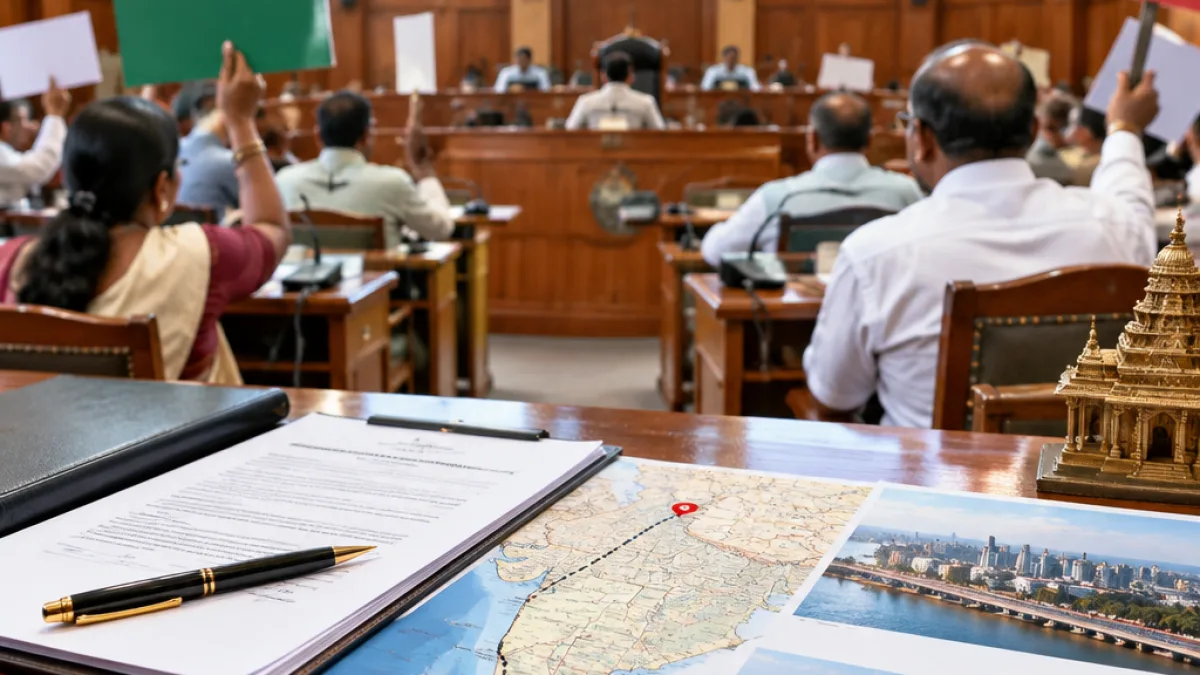
The resolution was passed by the BJP-ruled corporation council amid protests and a walkout by the opposition CPI(M)-headed Left Democratic Front. Sivankutty, a former education minister, said in a statement that development initiatives based on the Ahmedabad model should not be imposed on the city. He described the proposed approach as unacceptable and said it would not address Thiruvananthapuram's distinctive social and administrative conditions.
At the centre of the objection is the question of whether methods developed in one major Indian city can be transferred directly to another. Sivankutty said Thiruvananthapuram and Ahmedabad differed substantially in their demographics, culture, food habits, lifestyles and socio-economic conditions. He also characterised Thiruvananthapuram as an administrative headquarters with a large middle-class population and many government employees, suggesting that its civic priorities would consequently be different.
Opposition raises concerns over inclusiveness
The CPI(M) leader argued that Kerala and its capital were ahead of Gujarat on development and cultural indicators and therefore had no reason to look to Ahmedabad for a development template. He also criticised what he termed a model that could divide people into separate social strata. Referring to Ahmedabad, he alleged that slum areas had been covered with cloth during visits by foreign dignitaries.
“Thiruvananthapuram did not need a development model that divided people into different strata,” Sivankutty said.
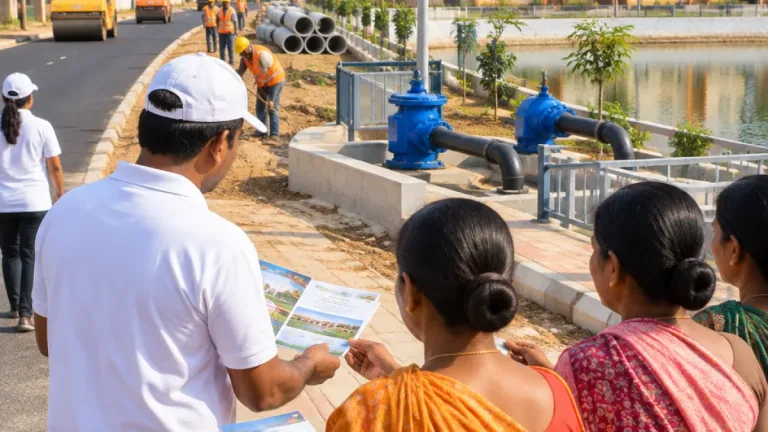
The remarks do not establish that any specific Ahmedabad system has already been selected for implementation in Thiruvananthapuram. The available decision is the council's approval of the twin-city partnership programme. Sivankutty's criticism is directed at the possibility that the partnership could lead to the adoption of administrative, infrastructure or technology proposals that he considers unsuitable for the capital.
What the dispute involves
| Issue | Position recorded |
|---|---|
| Civic decision | Corporation council approved the partnership programme |
| Political response | CPI(M)-headed LDF protested and walked out |
| Main objection | Ahmedabad's model should not be imposed on Thiruvananthapuram |
Sivankutty said the corporation should give priority to strengthening systems already in place and improving services for residents rather than pursuing proposals that could prove impractical. His criticism covered possible consequences for development, infrastructure and technology, though the statement did not identify a particular project, budget or implementation timetable under the partnership.
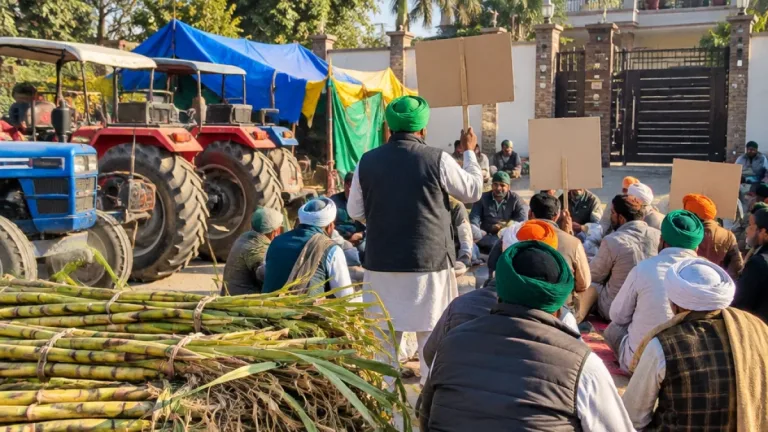
For residents, the immediate significance of the controversy lies in how the corporation defines the purpose of the agreement. The debate is not only about cooperation between two urban local bodies but also about whether future civic planning should be shaped by a common external model or by Thiruvananthapuram's own conditions. The opposition has maintained that local needs must remain the basis for decisions affecting public services and urban administration.
Sivankutty has also sought clarity from the BJP's state leadership on what he called a distorted development model. He said resistance would be organised to protect the interests of Thiruvananthapuram's people. The council's approval and the LDF's opposition now set the stage for further political scrutiny of the partnership and of any proposals that may emerge from it.
- Thiruvananthapuram Corporation approved a twin-city partnership with Ahmedabad.
- The CPI(M)-headed LDF protested and walked out during the council proceedings.
- V Sivankutty called for local conditions and existing civic systems to guide development decisions.