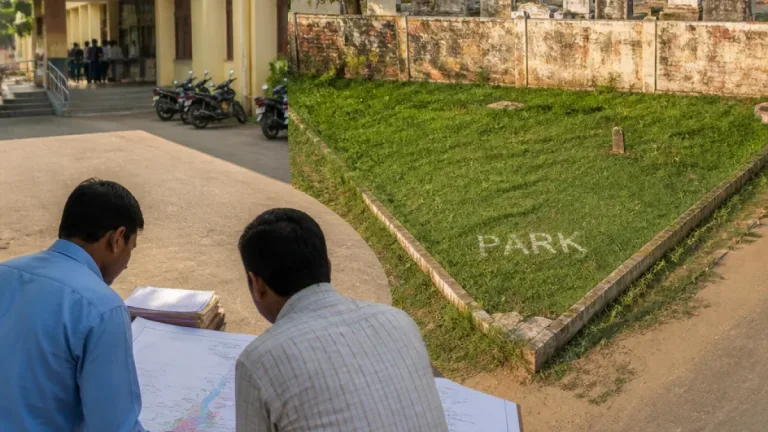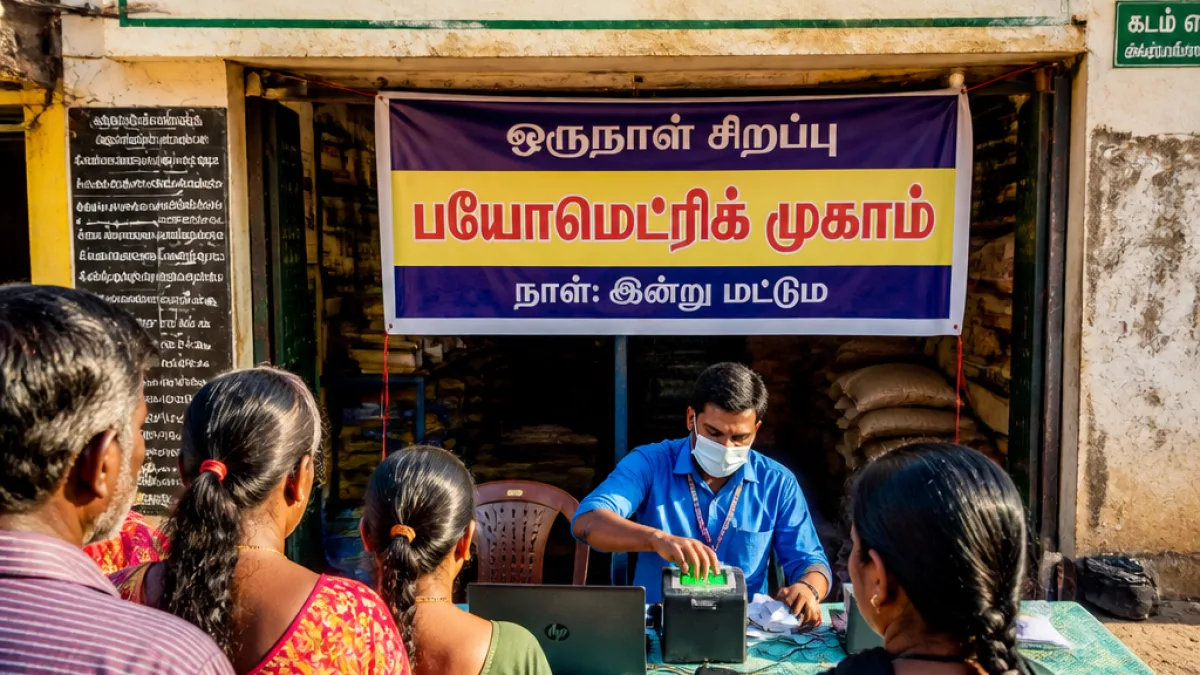
Hyderabad: The Telangana government has issued an order allowing voluntary Aadhaar authentication for key urban development services, including applications submitted through the online Transferable Development Rights (TDR) portal, officials said on Thursday.
Administrative approval and scope
The government order was issued by Special Principal Secretary for Municipal Administration and Urban Development Jayesh Ranjan after receiving approval from the Union Ministry of Electronics and Information Technology, the notification said. The facility will permit property owners, builders and developers to use Aadhaar authentication for registration, login and application submission on the TDR portal.
In addition to users, the facility has been extended to official logins used by the Greater Hyderabad Municipal Corporation (GHMC) and the Urban Planning Directorate, enabling authorised officials to authenticate through Aadhaar where they choose to do so.
Voluntary nature and alternatives
The government has emphasised that Aadhaar authentication will be strictly voluntary. Applicants who do not possess Aadhaar, or who opt not to use it, must not be denied services, the order states. In such cases, applicants can submit other government-issued identity documents.
- Accepted alternative IDs: passport, voter photo identity card (EPIC), driving licence, PAN card.
- Who can use Aadhaar auth: property owners, builders, developers, and authorised municipal/planning officials on the TDR portal.
The government framed the measure as an additional verification option rather than a replacement for existing identity procedures, seeking to preserve access while broadening authentication choices for digital transactions in urban governance.
Rationale cited by government
According to the order, the move is intended to prevent fraudulent registrations, reduce identity misuse and bring greater transparency to official records related to urban development and land-use transactions. The step follows central approval and aligns the state’s digital service framework with options for biometric-backed authentication.
Practical implications for stakeholders
For property owners and developers who already hold Aadhaar, the new facility could speed up user verification on the TDR portal by enabling one-step biometric or OTP-based authentication, potentially reducing paperwork and the scope for manual alteration of records. For municipal and planning officials, Aadhaar-backed logins may help establish clearer audit trails for actions taken on the portal.
At the same time, the government’s insistence on keeping alternative ID routes is likely to reassure those who have privacy concerns or who do not possess Aadhaar. The order does not make Aadhaar mandatory for any service covered under the notification.
Data protection and governance considerations
While the order highlights objectives such as fraud prevention and transparency, it does not provide operational details in the notification about data retention, auditing procedures or the technical safeguards that will be used for Aadhaar transactions on the TDR portal. Implementation will require coordination between the municipal technology teams, the state urban planning department and central authentication infrastructure.
Experts and stakeholders routinely point out that when biometric authentication is enabled in governance platforms, robust mechanisms are needed to log access, limit data sharing and ensure compliance with applicable data-protection norms. The order’s voluntary clause mitigates immediate access concerns, but operational protocols will determine how privacy and security are managed in practice.
Summary table: What changes and what remains optional
| Feature | New position | Existing options retained |
|---|---|---|
| Aadhaar authentication on TDR portal | Permitted (voluntary) | Yes — alternative IDs accepted |
| Official logins (GHMC, Urban Planning) | Can use Aadhaar auth | Other secure login methods continue |
| Service denial | Not permitted for non-Aadhaar users | Applicants may use passport, EPIC, driving licence, PAN |
The government order signals a calibrated step toward integrating Aadhaar-enabled services into municipal and urban-planning workflows while maintaining alternatives to protect access. Moving forward, detailed implementation guidelines and technical safeguards will shape how effectively the scheme addresses fraud, streamlines processing and preserves citizen privacy.
Officials said the decision follows central clearance and will be implemented on the TDR portal and related municipal systems in line with the order.