World juniors remain in Alberta
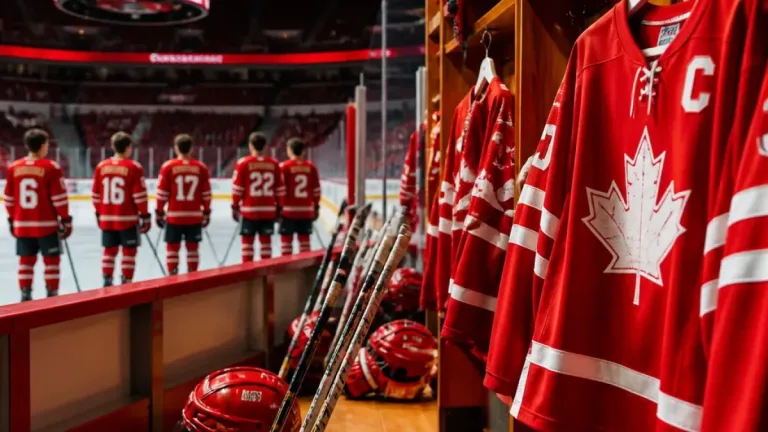
The International Ice Hockey Federation says the world junior championship will proceed in Canada despite Russia’s demand that the tournament be moved and its threat of further legal action. Edmonton and Red Deer will remain the host cities for the event, scheduled for Dec. 26 to Jan. 5.
The decision leaves the IIHF caught between a ruling from the Court of Arbitration for Sport and a political restriction imposed by Canada. The sports body said Sunday that it had assessed whether the tournament could be relocated before deciding to keep it in Alberta. It said all participating national associations had been informed and that an updated schedule would be released.
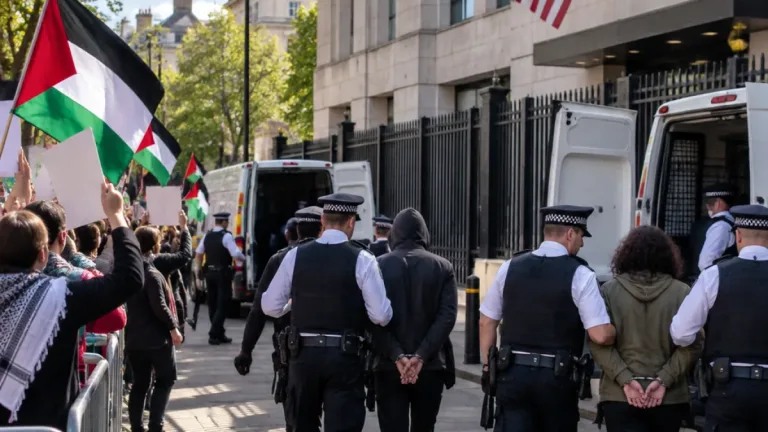
Russia’s sports minister, Mikhail Degtyaryov, called for intervention by the International Olympic Committee, arguing that the IIHF, Hockey Canada and the Canadian government should face consequences over Russia’s exclusion. The Russian Ice Hockey Federation described the decision as both unacceptable and unlawful, and said it would use every available legal channel to have Russian athletes reinstated and seek compensation for the harm it says was caused.
“The IIHF’s decision was made solely due to political reasons,” the Russian federation said.
The dispute follows an Oct. 30 CAS ruling ordering the IIHF to restore Russian teams to five international championships, beginning with the world juniors. According to the Russian federation, that ruling was connected to an agreement requiring the IIHF to implement it immediately. Russia says the federation’s decision not to send its team violates both the court ruling and that agreement.
Canada’s position prevails at the tournament
Prime Minister Mark Carney has taken a different position from the CAS decision. While attending the Commonwealth Summit in Antigua on Nov. 3, he said Russian players would not be allowed to compete in Canada for as long as Russia’s war in Ukraine continues. His statement made the immediate outcome for the junior championship clear: Russia would not be present even if the international sports ruling called for its reinstatement.
That conflict has now been translated into a practical decision for the tournament. The IIHF will keep the event in Canada, but Russian participation remains blocked by the Canadian government’s restrictions. The organization did not announce a change to the host cities or indicate that the competition itself would be suspended.
| Issue | Position or decision |
|---|---|
| Host cities | Edmonton and Red Deer |
| Tournament dates | Dec. 26 to Jan. 5 |
| Russian participation | Excluded under Canadian restrictions |
| Norway’s place | Retained in the tournament |
A dispute beyond the ice
The disagreement is significant because it involves institutions with different roles and authority. CAS issued the ruling cited by Russia, while the IIHF governs international hockey competitions. The IOC recognizes the IIHF but does not directly administer its tournaments, leaving it unclear what remedy Russia could obtain through an appeal to the Olympic body.
Russia’s Olympic committee and hockey federation say they will appeal to the IOC. The Russian federation also says it will pursue other legal avenues to enforce the CAS ruling and restore what it calls the rights of its athletes. Those efforts could prolong a conflict that is no longer limited to one team’s entry in one championship, touching on how international sports bodies apply legal decisions when a host government imposes its own restrictions.
The IIHF’s decision also settles at least one competitive question. Norway will keep its place in the tournament after Norwegian hockey officials had previously been told their team would be removed, according to the source material. The federation is expected to issue a revised competition schedule after notifying the participating associations.
For Canada, the outcome preserves its role as host while maintaining the government’s policy on Russian participation. For the IIHF, it means staging the championship in Alberta despite an unresolved challenge from Russia and a ruling that Moscow says requires the opposite result. The tournament will therefore begin under the shadow of a continuing legal and political dispute, with the ice-based competition shaped by decisions made well beyond the rink.