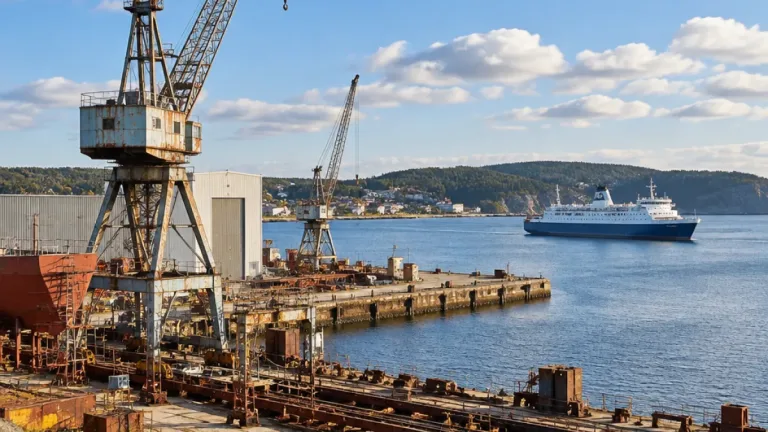
The provincial government has taken a formal step toward construction of a new floating dry dock and marine industrial facility at the Bull Arm Fabrication Site in Trinity Bay, issuing a request for proposals that asks industry to outline how the project would be built, run and — crucially — how capital costs might be shared.
Government seeks partners while retaining backstop
The request for proposals (RFP) was released Friday by the Oil and Gas Corporation of Newfoundland and Labrador (OilCo). The call asks private industry to submit detailed pitches on the construction of the dry dock, proposals for post-construction management and options for private contributions to the capital cost. The submission period closes Feb. 26.
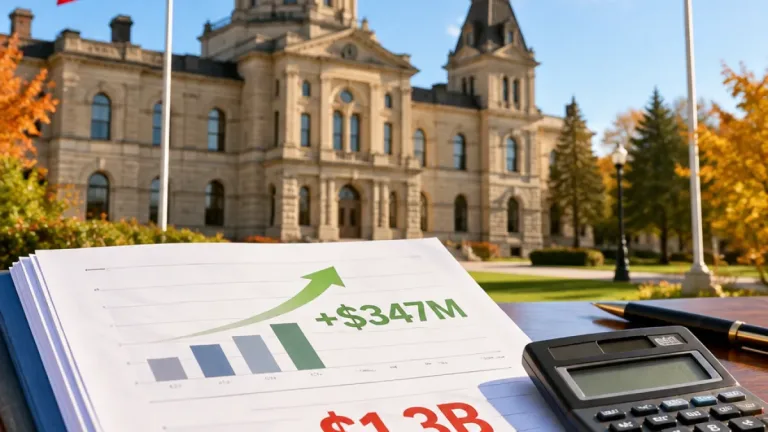
Public statements accompanying the RFP confirm the provincial government is prepared to act as a financial backstop for the project. Early public estimates place the potential cost between $400 million and $600 million, figures that would expose the public treasury to “hundreds of millions of dollars” at a moment when the auditor general has flagged historically high provincial debt.
Local officials toured the site as RFP was issued
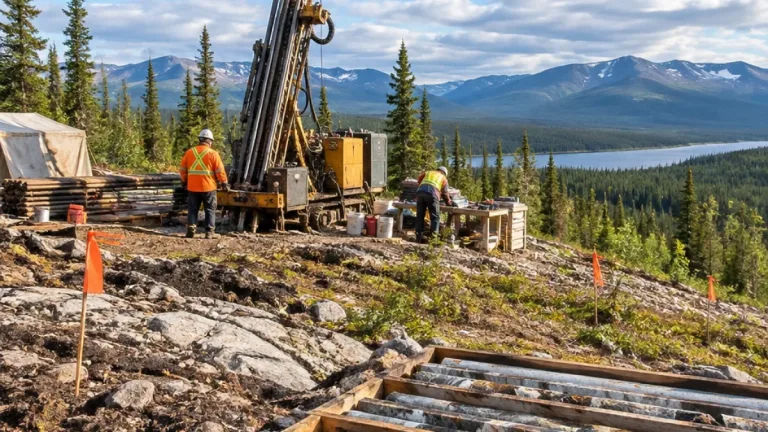
Premier Tony Wakeham visited the Bull Arm site on Oct. 23 to view Crown-owned assets that could be used in the build. The tour included representatives from nearby towns, the Arnold’s Cove Area Chamber of Commerce and TradesNL; no local media were present.
OilCo’s chief executive officer has signalled a preference for minimizing public risk. As noted by the corporation, his objective is to "eliminate any public exposure" from the project — language that underscores the tension between attracting private capital and the province’s willingness to guarantee the build.
“Eliminate any public exposure.”
What the RFP asks of potential partners
The RFP is seeking proposals that address several core elements of the project:
- Specifics on the design and construction of a floating dry dock at Bull Arm;
- Plans for how the facility would be operated and managed after construction;
- Mechanisms by which private industry could share in or cover capital costs.
| Item | Detail |
|---|---|
| Estimated cost | $400 million–$600 million |
| Site | Bull Arm Fabrication Site, Trinity Bay |
| RFP close date | Feb. 26 |
Fiscal context and local stakes
For communities around Trinity Bay and for the province at large, a new dry dock could promise work for trades and increased marine servicing capacity for large ships in Canada’s fleet. Bull Arm has long been positioned as an industrial asset for large-scale fabrication and marine work; supporters say additional infrastructure could create steady employment and leverage existing facilities.
At the same time, the scale of projected capital costs has drawn scrutiny. The auditor general has warned of record-high provincial debt, and the notion that the public treasury might be asked to carry a significant portion of the bill has prompted questions about affordability and risk management. The RFP’s emphasis on private-sector cost-sharing signals a desire to limit taxpayer exposure — but the province has made clear it will provide a backstop if needed.
Questions ahead for government and bidders
Key issues that will determine the project’s shape include how much private capital can be secured, the terms under which the province would provide guarantees or direct funding, and what economic benefits would flow to local workers and businesses. The RFP requires bidders to make the case on these points in detail.
For residents of communities near Bull Arm, the coming months will be a period of watching for firm commitments: who will pay, how the dock will be run, and what protections will be in place to ensure local contractors and labour benefit from any construction and ongoing operations.
The next visible milestone will be the close of the RFP process on Feb. 26, after which proposals will be evaluated and further decisions about financing and partnerships will be made public.
While the province pushes to expand industrial capacity at Bull Arm, the gamble is clear: balance the potential for local economic gains against the risk of significant public spending at a time of strained provincial finances.