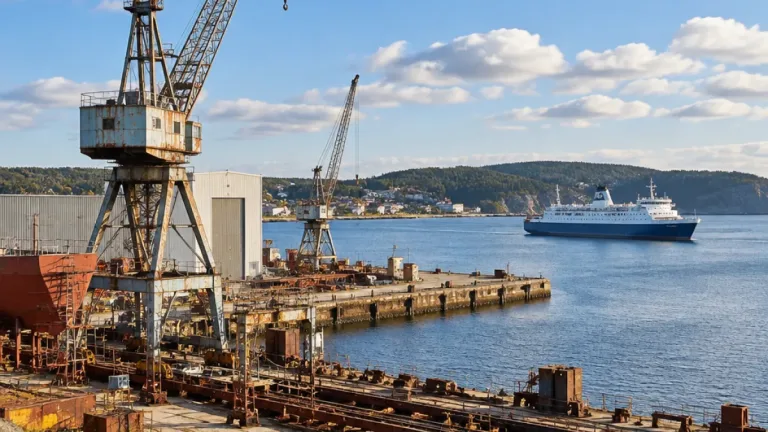
Point Tupper has become the focal point of a debate unfolding across Nova Scotia and the rest of Canada over where massive artificial intelligence facilities should be built, who benefits from them and what happens if the private tenants change plans.
Project details and local reaction
EverWind plans to construct an 18,600‑square‑metre data centre at its Point Tupper site on Cape Breton and intends to lease the building to US AI firm Anthropic for 20 years. EverWind is calling the project the province’s largest private investment to date and has said the centre could be ready by late 2027.
Anthropic, based in San Francisco, has said Canada ranks as the sixth‑largest worldwide user of its Claude AI model — a factor that company officials cite in selecting the site.
Not everyone in Nova Scotia sees the deal as an unalloyed win. A Change.org petition opposing the project had collected more than 18,000 signatures within days of the announcement, signalling organized resistance beyond the immediate community.
“They don’t put (data centres) anywhere that’s prospering,”
The words of Michael McCluskey, a retired military veteran from Dartmouth who has signed the petition, speak to a broader worry among some residents and observers: that the province may once again chase a grand development promise that yields less local benefit than promoted and leaves little in the way of alternative uses if a corporate partner withdraws.
Energy, water and economic questions
Across Canada, governments and communities are grappling with the resource demand that large AI and hyperscale data centres impose. These facilities require steady supplies of electricity and often significant volumes of water for cooling, raising questions about local capacity and long‑term environmental impacts.
EverWind's Point Tupper site was originally linked to a separate plan to build a wind‑powered hydrogen plant exporting energy from the company’s marine terminal. EverWind says it is continuing to pursue that hydrogen project while advancing the data centre plan.
Supporters say the facility could bring jobs during construction and operations, infrastructure spending and greater recognition for Nova Scotia as a destination for technology investment. Critics counter that many such projects bring relatively few long‑term positions compared with the scale of construction and that the leases and financing often favour outside investors.
What we know in numbers
| Item | Figure |
|---|---|
| Building size | 18,600 m² |
| Lease length with Anthropic | 20 years |
| Online petition signatures (early) | 18,000+ |
Local stakes and practical concerns
- Employment: Construction will likely produce short‑term jobs; the number of permanent, high‑paying operational roles has not been disclosed.
- Energy use: The sector’s demand for reliable, large quantities of electricity raises questions about grid capacity and how power will be sourced.
- Future use: Opponents worry the site could be difficult to repurpose if Anthropic or other partners change course.
Details about the financial terms of the Anthropic lease and the government incentives, if any, tied to the project have not been publicly disclosed. That lack of transparency is a point of concern for those who fear the province could be left bearing costs without the promised benefits.
Broader context for Nova Scotia
For Nova Scotia — a province that has long sought transformative private investments to bolster regional economies — the proposal raises familiar questions about risk and reward. Cape Breton communities in particular remember cycles of boom and bust tied to single large projects and resource sectors.
Whether this AI centre becomes a lasting economic anchor or a contested experiment will depend on details that remain private: how power is sourced, the number of full‑time operational staff, the environmental permits and any government supports attached to the deal. In the meantime, the project has already catalysed conversation across the province about the kind of development Nova Scotia wants and how to ensure public interests are protected.
Officials at EverWind and Anthropic have framed the plan as part of a broader push to bring cutting‑edge tech infrastructure to the region. Residents, petitioners and observers say they will be watching closely for more information on jobs, environmental impacts and fiscal arrangements.
As the deadline of late 2027 for completion approaches, the debate in Point Tupper reflects a larger national discussion on the trade‑offs of hosting the infrastructure that underpins powerful artificial intelligence systems.