Prince Edward Island’s municipal leaders are being asked to navigate a harsher online environment as they begin new terms following the October elections, with councillors warning that personal attacks and community rumours can make public service harder to sustain.
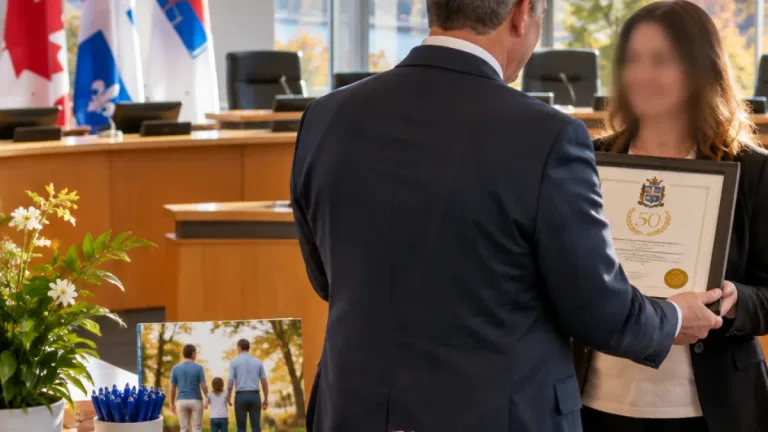
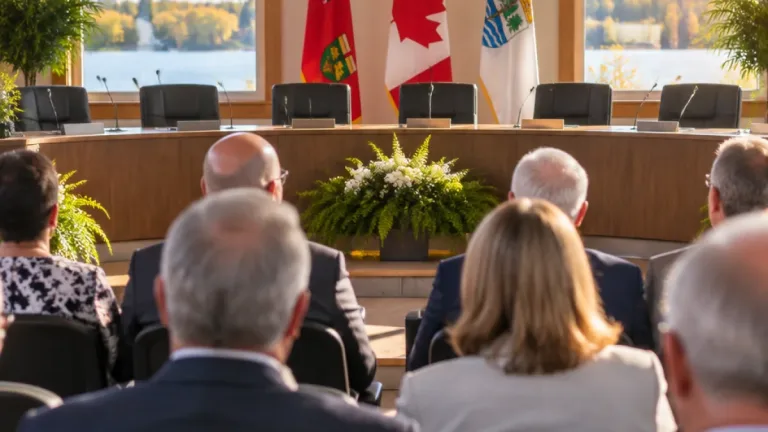
The issue was discussed Saturday in Charlottetown, where more than 75 mayors and councillors — including both newly elected and returning officials — gathered for an orientation hosted by the Federation of P.E.I. Municipalities. The session was intended to help leaders understand their roles, but online conduct was among the more difficult realities on the agenda.
For municipal representatives, social media has become a place where residents can debate local decisions quickly and publicly. It can also become a forum for criticism that moves beyond policy and into personal territory. That distinction was central to the experience described by Kensington Coun. Tyler Doucette, who won a second term in October.
“It could be the main reason why a number of individuals don’t put their names on the ballot.”
Doucette said the problem was particularly visible during the Kensington council campaign. He described local Facebook discussions that included personal abuse, negative commentary and what he called rumours involving different municipal departments. In his view, the volume of those posts sometimes threatened to push more substantive community questions out of sight.
His comments point to a concern that extends beyond the discomfort of individual politicians. When online hostility becomes part of the experience of campaigning or serving on council, it may influence who is prepared to seek office in the first place. That matters in a province where many communities are seeing uncontested elections this year.
A challenge for local democracy
Municipal government is close to residents in a way that larger levels of government often are not. Councillors and mayors deal with the visible, day-to-day questions that shape a community: the operation of local departments, municipal priorities and the future direction of a town. Their decisions can prompt strong reactions, particularly in small communities where public officials and residents may already know one another.
Criticism is a normal part of elected office, and the orientation did not erase that reality. The concern raised by Island councillors is the movement from disagreement over a decision to attacks directed at a person. Doucette said that even with what he described as thick skin, some comments could be difficult to manage when they became personal.
“When it gets a little bit personal with the personal attacks, it can be a little bit difficult to deal with.”
That pressure arrives at a time when elected representatives are also trying to establish themselves after the fall vote. Doucette is now serving a second term, having first entered municipal politics because he wanted to help build a better future for his four children in Kensington. His account reflects the personal motivation that brings some Islanders into public life, as well as the strain that can accompany it.
What was discussed at the orientation
The event was organized by the Federation of P.E.I. Municipalities as a practical introduction for people taking on municipal responsibilities. The province launched its Municipal Leaders Talk program in 2025, adding another effort aimed at supporting elected officials as they work through the demands of the job.
| Detail | What the source says |
|---|---|
| Location | Charlottetown |
| Attendance | More than 75 mayors and councillors |
| Host | Federation of P.E.I. Municipalities |
| Related provincial initiative | Municipal Leaders Talk, launched in 2025 |
The conversation comes as Island municipalities prepare to carry on with the ordinary work of local government. Councils must communicate decisions, respond to residents and keep public discussions focused on issues that affect their communities. When rumours and personal attacks dominate online spaces, elected officials may find it harder to make sure residents receive clear information about the matters before council.
- Personal attacks can make the demands of elected office more difficult to manage.
- Rumours on local social-media pages may crowd out discussion of municipal issues, according to Doucette.
- Uncontested elections have raised questions about why more residents are not putting their names forward.
There is no single experience shared by every municipality or every councillor. The concerns raised in Charlottetown came from officials serving communities with their own local circumstances. Still, the common appearance of the issue on an orientation agenda suggests that online abuse is no longer being treated only as an individual problem for a councillor to absorb privately.
For residents, the discussion offers a reminder that the people on local councils are elected to represent their communities, but they remain individuals who must work in a public environment. Vigorous debate about municipal decisions has a place in Island life. The challenge, as described by councillors at the session, is keeping that debate from becoming so personal that it discourages people from participating.
As new and returning leaders settle into their terms after the October vote, that question will follow them from council chambers to local online spaces. The health of municipal government depends not only on the decisions councils make, but also on whether Islanders continue to see public office as a role they are willing to take on.