Gauteng’s public health system is under severe strain, provincial figures show, with hospitals operating above their registered bed capacity and primary care facilities struggling to cope with millions of visits during the 2025/26 financial year. Health MEC Faith Mazibuko told a Progressive Business Forum colloquium that the pressure is evident across the province’s major hospitals and clinics.
Huge patient load across hospitals and clinics
According to the figures Mazibuko set out, provincial hospitals recorded close to 5.8-million outpatient visits and 670,807 inpatient admissions in 2025/26. Clinics and outreach services saw the bulk of contacts, with primary facilities registering 8,026,972 clinic visits and outreach programmes reaching 8,491,700 people, bringing total patient contacts to over 20 million.
These numbers reflect demand across a health system that serves not only Gauteng but, in the case of the province’s academic hospitals, patients from the rest of South Africa and neighbouring countries.
Capacity and staffing gaps
Mazibuko said bed shortages are acute at some facilities. She used Chris Hani Baragwanath Hospital (Bara) as an example, saying the hospital is registered for 1,500 beds but currently has beds approaching 2,000, pushing the facility beyond its official capacity.
“I’m sure one person or the other among yourselves must have heard a complaint from a relative ... ‘I’ve been stuck here at casualty, I can’t find a bed’. It’s because our hospitals are overloaded.”
The four academic hospitals — Baragwanath, Charlotte Maxeke, Dr George Mukhari and Steve Biko — were singled out as the worst affected, serving large catchment areas that extend beyond provincial borders.
Compounding the capacity problem is a severe staffing gap. The MEC said the province is short of more than 4,000 nurses, leaving existing nursing staff overworked and prompting early retirements driven by exhaustion rather than choice. She also highlighted that there are many unemployed doctors, but constrained provincial finances prevent absorbing them into the system.
Impact on primary care and patients
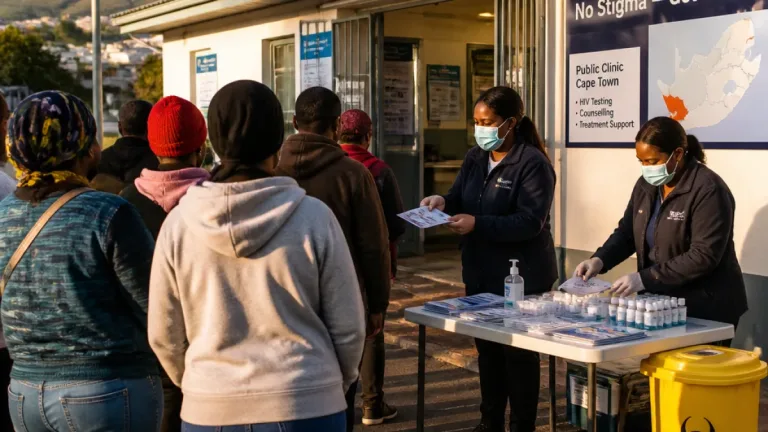
Mazibuko described striking scenes at clinics, where long queues often extend out of facilities and many clinics lack adequate waiting areas. Patients are exposed to the elements when it rains or becomes cold, and staff shortages increase waiting times and strain on clinical services.
- Long queues at clinics and casualty departments were reported across the province.
- Primary care shoulders the bulk of patient contacts but is under-resourced.
- Financial constraints are cited as the main barrier to hiring available doctors.
Selected provincial data
| Metric | 2025/26 figure |
|---|---|
| Hospital outpatient visits | 5.8-million |
| Inpatient admissions | 670,807 |
| Clinic visits | 8,026,972 |
| Outreach programme contacts | 8,491,700 |
| Estimated nurse shortfall | 4,000+ |
What the figures mean for patients and services
The combination of high demand and staffing shortfalls raises concerns about waiting times, quality of care and staff wellbeing. Overworked nurses who opt for early retirement reduce institutional capacity further, while the inability to employ available doctors due to fiscal limits leaves a paradox of unemployed clinicians and unfilled posts.
For patients, the consequences are tangible: longer waits, overcrowded wards and, in some cases, insufficient shelter while queuing at clinics. For staff, continued pressure risks burnout and further losses of experienced personnel.
What the province has done
Mazibuko said the department has procured mobile clinics to augment services, and outreach programmes reached millions of people in 2025/26. However, she emphasised that personnel and budgetary constraints remain the main barriers to improving service levels and reducing queues.
Addressing Gauteng’s health crisis will require coordinated budgeting decisions, targeted hiring where possible and continuing support for primary care initiatives. With more than 20 million patient contacts recorded, the scale of demand is clear, and the provincial health system faces pressure to translate resources into timely care for residents.
Reporting from Johannesburg.