
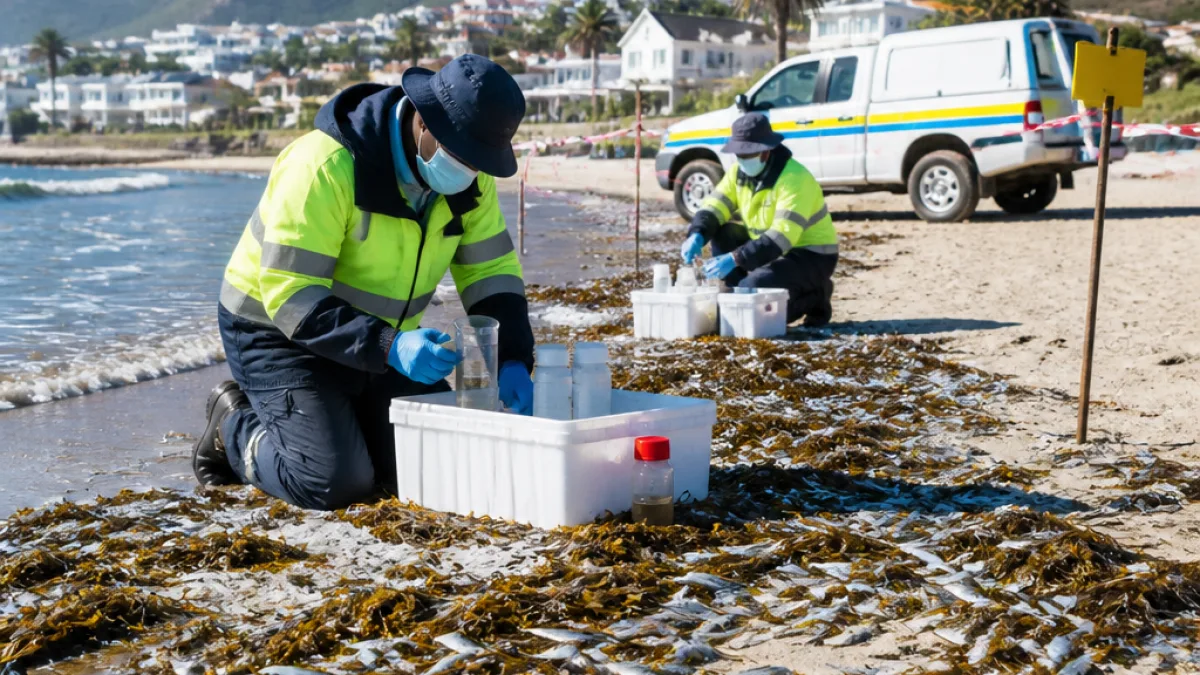
The South Carolina Department of Natural Resources is investigating a string of dead birds found in and around Charleston, including North Charleston’s Quarterman Pond, as authorities test whether the deaths are linked to avian influenza.
Officials test carcasses as migration season continues
SCDNR said the die-off involves Canada geese and ducks discovered in Charleston and Mount Pleasant neighborhoods. State wildlife veterinarians are currently testing at least one of the deceased birds to determine whether the highly contagious virus is the cause.
In a statement released to local media, the department noted that avian influenza “occurs naturally in wild bird populations across North America” and that cases can increase during seasonal migration. While SCDNR said the virus can circulate among wild birds, it stressed that the cause of this specific die-off has not yet been confirmed.
“Avian influenza, commonly known as bird flu, occurs naturally in wild bird populations across North America. With seasonal bird migration underway, cases of avian influenza can increase. While the virus can circulate among wild birds, the cause of this particular die-off has not yet been confirmed.”
What officials are asking residents to do
Wildlife and public-health guidance from SCDNR aims to limit people’s exposure and reduce risks to pets. Officials are asking Charleston-area residents to:
- Avoid handling sick or dead wild birds.
- Keep pets away from any birds that appear ill or are deceased.
- Report unusual wildlife mortality to state authorities if observed.
The state agency said it will continue to monitor the situation and update the public as testing results and additional information become available.
Local implications and broader context
For Charleston residents, the discovery of multiple dead waterfowl in public green spaces is a reminder of how wildlife health intersects with urban life. Parks, ponds and waterfront areas are integral to daily recreation and tourism in the region; any outbreak among waterfowl can disrupt those activities and prompt heightened concern among pet owners and people who feed or otherwise come into close contact with wild birds.
Avian influenza is a concern because certain strains can spread rapidly among birds. Federal and state wildlife agencies routinely test and track outbreaks to understand where the virus is circulating and whether there are risks to domestic poultry or human health. At this stage in Charleston, SCDNR’s public messaging focuses on caution and surveillance rather than confirmed transmission.
Where the birds were found
Officials have confirmed multiple sightings and discoveries of dead geese and ducks in the Charleston area, including at Quarterman Pond in North Charleston. The locations reported so far are being used to guide testing and monitoring efforts.
| Location | Species reported |
|---|---|
| Quarterman Pond, North Charleston | Canada geese, ducks |
| Charleston and Mount Pleasant areas | Canada geese, ducks |
As testing proceeds, SCDNR said it will share results and any recommended precautions for residents and pet owners.
What residents should watch for
Health officials advise residents to avoid contact with wild birds that appear sick, to keep dogs and cats away from carcasses, and to report unusual wildlife mortality to state authorities. Because migration patterns can increase the movement of viruses through wild-bird populations, ongoing monitoring is important for early detection and response.
For now, Charleston residents should remain cautious around local ponds and waterfowl, follow guidance from wildlife officials, and await further updates from SCDNR as laboratory results become available.