Leaning over a metal rail inside the United Utilities wastewater treatment works on Shore Road, the scale of the task in front of the plant's staff becomes plain. Pipes as big as trunks snake in every direction. Screens grind and thrash. The odour varies from barely noticeable to a sickly sweetness, the kind you might not expect at a sewage facility but which staff describe as part of the job.
On the front line of an ageing system
Mark Booth, area engagement lead for Merseyside, and production manager Elaine French, who has worked at the works for decades and is close to retirement, conducted the tour. Both have long service with United Utilities (UU) and offered a view from the coalface as the company navigates a summer that combined prolonged heatwaves with heavy storms.
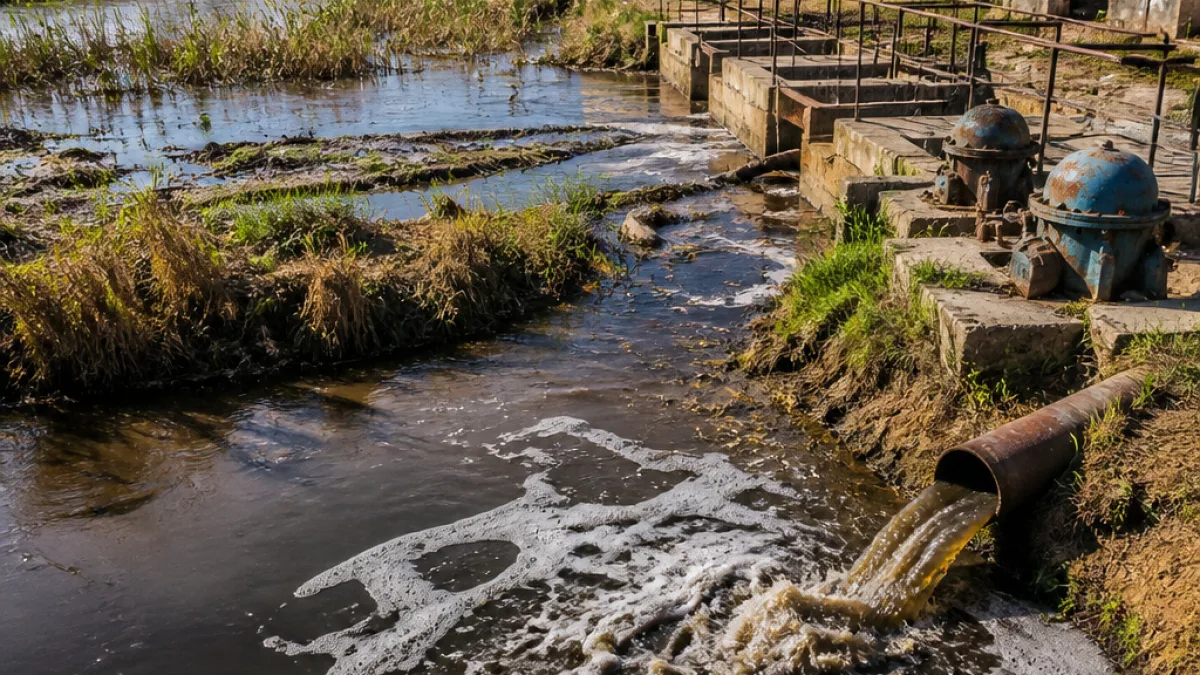
Those weather swings put extra pressure on combined sewage overflows (CSOs) across the region. The result, as United Utilities and campaigners have acknowledged, was hundreds of hours of effluent discharged into Wirral watercourses during recent events. The debate over investment in Britain’s ageing Victorian plumbing is ongoing, but the visit sought to explain what happens at ground level: how material arrives, what is removed at what point, and what plant staff contend with daily.
What staff actually see
At the first stage of treatment, mechanical screens act as a sieve. As Elaine explained during the tour, "Nothing larger than six millimetres will pass through here." That screening is designed to catch larger inorganic objects before they move into subsequent treatment stages.
“Railway sleepers… shopping trollies. And dogs. Dogs are the worst thing.”
That blunt appraisal came from Mark when asked about the oddest things that have passed through the works. Staff recounted examples of bulky items that can damage equipment or impede flow.
- Railway sleepers
- Shopping trollies
- Animals, including dogs
Smells, screens and the rhythm of the plant
While some parts of the site have little odour, pre-treatment areas can be markedly unpleasant. The tour described the scent as nearly sweet in places — an acquired smell for workers who spend years at the plant. Staff stress that long familiarity with these conditions is part of the job.
The initial mechanical screening is just the beginning of a sequence designed to protect downstream processes and the environment. The works takes in flows from across Birkenhead and the surrounding area, reducing solids and treating the wastewater before safe discharge — except in instances where CSOs operate during extreme weather.
| Stage | Primary function |
|---|---|
| Screening | Removes inorganic matter larger than 6mm |
| Pre-treatment area | Initial settlement and odour-prone processes |
Local consequences and questions for the future
For Birkenhead residents the consequences are local and tangible: waterways affected by overflows, and the wider concern that the country’s sewerage infrastructure needs significant upgrading to cope with more frequent extreme weather. Campaigners have criticised water companies for diverting profits to shareholders rather than accelerating capital programmes; the company’s staff articulated the difficulty of operating older systems under unprecedented weather pressure.
Inside the works, staff emphasised the routine aspects of what can be alarming headlines for the public: clearing blockages, maintaining plant, and managing flows when storms swell the network. The combination of aging Victorian infrastructure and changing weather patterns presents a long-term challenge for operators and communities alike.
The Shore Road site sits by Hamilton Square and is emblematic of that tension: a necessary piece of urban infrastructure that is largely invisible until pressure forces it into view. The tour highlighted what is being done at the local level — and underscored how much depends on national decisions about investment, regulation and the pace of upgrades.
For now, those who work at the Birkenhead works continue to keep the system running, clearing the unwanted and guarding the town's waterways as storms and heatwaves test the limits of the network.