Coordinated drive pushes college uptake among Class XII pass-outs
Salem district has increased higher education enrolment among students who passed Class XII in 2025–26 to 97.28%, up from 84% in the previous academic year, officials reported. The rise follows a concerted outreach campaign run from a temporary Education Control Room at the Collectorate that combined tracking, counselling, home visits and financial support to remove obstacles to college admission.
The control room was set up on 19 May 2026 under the state government's Kaloori Kanavu initiative, adopting the local theme "Perithinum Perithu Kel". Around 50 personnel — including teachers, headmasters and other staff — coordinated the effort under the supervision of Collector K Elambahavath, according to district records.
"Perithinum Perithu Kel" — the local theme used for the Kaloori Kanavu campaign in Salem.
Officials identified 35,334 students who cleared Class XII in the academic year from 316 government, government‑aided and private higher secondary schools across the district and categorised them for targeted outreach. Of these, 34,374 have enrolled in higher education institutions.
- Students tracked included those from SC/SCA and ST communities, Tamil‑medium pupils, tribal students, differently‑abled learners, children without parental support and those from economically disadvantaged families.
- Direct admission camps were organised at five locations — two in Salem city and one each in Attur, Konganapuram and Mecheri — providing on‑the‑spot assistance for applications, certificates and fee issues.
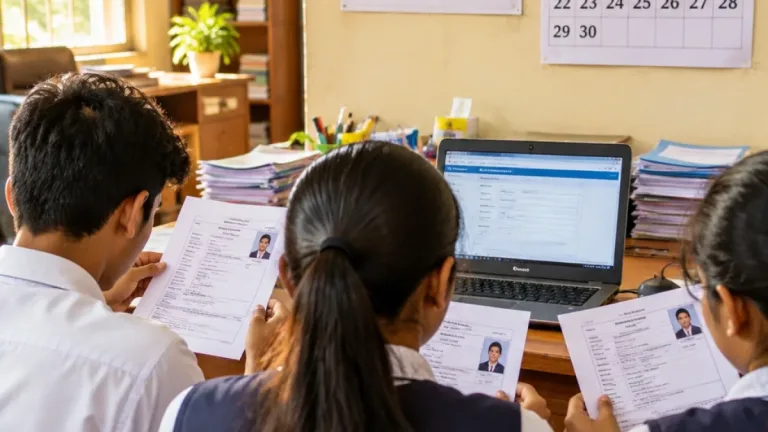
- When telephone contact failed, teachers, revenue staff and district child protection personnel carried out home visits, including in remote tribal habitations.
The admission camps and outreach measures yielded immediate results: 1,149 students secured seats through the on‑site camps, while 2,330 students were called to the Collectorate for personalised guidance on career choices and technical course counselling. Officials also followed up persistently with students and parents to help complete documentation, resolve fee problems and finalise college selection.
| Metric | Number |
|---|---|
| Class XII pass-outs identified | 35,334 |
| Students enrolled in higher education | 34,374 |
| Admission camps (locations) | 5 |
| Admissions at camps | 1,149 |
| Invited to Collectorate for counselling | 2,330 |
| Initially unwilling students | 124 |
| Of these later enrolled | 91 |
District authorities report that persistent counselling converted reluctance among many students: of the 124 young people initially identified as unwilling to pursue higher studies, 91 agreed to enrol following follow‑up and support. Career guidance sessions included general counselling and engineering course advice aimed at helping students choose appropriate streams and institutions.
Local education officials said the control room adopted an intensive tracking system: students were categorised by vulnerability or need and case‑managed until admission formalities were complete. In remote pockets where phone access was patchy, officials relied on door‑to‑door outreach to ensure no eligible pupil was overlooked.
Educationists in Salem noted that the rise in enrolment reflects both administrative coordination and on‑the‑ground engagement by school staff. They said translating higher pass rates into college attendance requires continuous outreach, simplified admission processes and targeted financial help for marginalised students.
While the district achievement will be reflected in state monitoring of the Kaloori Kanavu programme, officials emphasised the need to convert enrolment into sustained retention. They said follow‑up is planned to support students in their first year of college to reduce dropout risk and ensure completion of courses that improve employability.
The Collectorate's model — a short‑term, multi‑agency control room combined with mobile and campus‑based interventions — may offer a template for neighbouring districts aiming to boost higher education access among vulnerable groups, district records suggest.