Traditional Odia meal marked Dashami observances at several Cuttack mandaps
CUttack: Several Durga Puja mandaps across Cuttack upheld a longstanding local custom on Maha Dashami, offering Dahi Pakhala — fermented rice mixed with curd — accompanied by saga bhaja or tarkari to the deity and distributing the fare among devotees.
The custom, reported at prominent mandaps including Gopalpur, Ranihat and the CDA Sector 9 committee, reflects an Odia belief that the Goddess should be served calming, home-style food before being bid farewell on Dashami. Organisers said the meal symbolises humility, nourishment and gratitude for nature’s bounty.
"The offering was associated with the Goddess's return to a peaceful state before her farewell," said priest Sankar Das of Gopalpur Durga Puja Mandap.
At Gopalpur, the Dahi Pakhala offering stands out as a distinctive element of Dashami observances. The dish is traditionally believed to have cooling and soothing properties, thought to calm Maa Durga after her fierce battle with Mahishasura, organisers explained. Variants and accompaniments differ among committees, but the underlying sentiment — offering a familiar, simple meal as one would to a visiting daughter — remains consistent.
- Gopalpur Durga Puja Mandap: Offered Dahi Pakhala as part of Dashami rituals; emphasised Aparajita Puja as marking the Goddess’s invincible nature.
- Ranihat committees: Also reported serving Dahi Pakhala and distributing it among devotees.
- CDA Sector 9 Puja Mandap: Organised Surya Puja, Aparajita Puja and a yajna alongside traditional food offerings.
The preparation of Dahi Pakhala, organisers pointed out, goes beyond rice and curd. Ingredients such as ginger, cumin powder, green chilli paste, lemon juice, black pepper, coriander leaves and mint paste are used to enhance flavour and digestibility. Served with leafy-green-based saga bhaja or mixed vegetable tarkari, the meal represents the simplicity of traditional Odia cuisine.
| Mandap | Key Dashami practice |
|---|---|
| Gopalpur Durga Puja Mandap | Dahi Pakhala offering; Aparajita Puja observed |
| Ranihat committees | Dahi Pakhala served and shared with devotees |
| CDA Sector 9 Puja Mandap | Surya Puja, Aparajita Puja and a yajna with customary offerings |
Community members said the practice stems from the cultural idea that during Durga Puja the Goddess is treated like a returning daughter who should be offered familiar home food. The Dahi Pakhala offering, performed on Dashami after commemorating Aparajita Puja, is seen both as an act of devotion and a gesture of affection before the deity's departure.
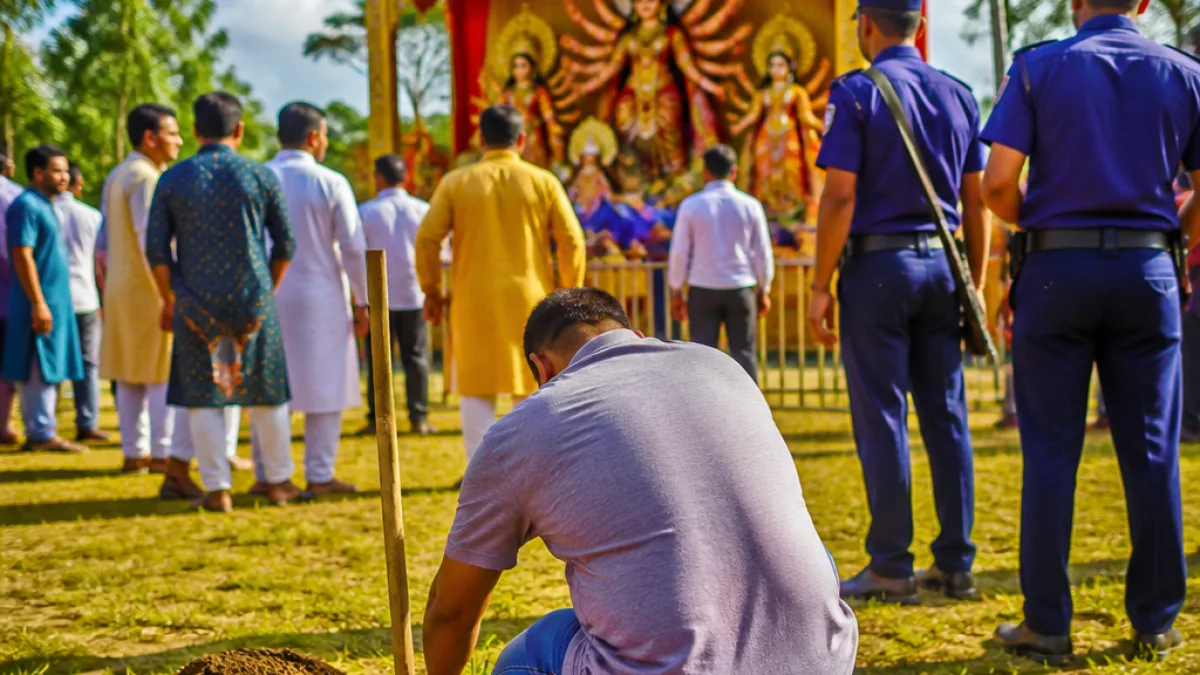
Religious ceremonies in the city combined ritual observance with community participation. The CDA Sector 9 committee, for instance, held Surya Puja and a yajna in addition to the Aparajita Puja, drawing devotees to participate in the concluding rites.
Local organisers noted that while larger puja pandals may feature elaborate bhog menus, many mandaps in Cuttack deliberately retain simple, locally rooted preparations for Dashami to emphasise humility and connection to everyday life. For organisers and devotees alike, these customary meals are a reminder of cultural continuity and community resilience even as the city’s festival landscape evolves.
The continuation of such practices underscores the interplay between ritual symbolism and local foodways in eastern India, where seasonal dishes and household flavours frequently form an integral part of religious observance. In Cuttack, Dahi Pakhala on Dashami remains a visible expression of that syncretic relationship between cuisine, devotion and cultural identity.