A seasonal drive with immediate consequences
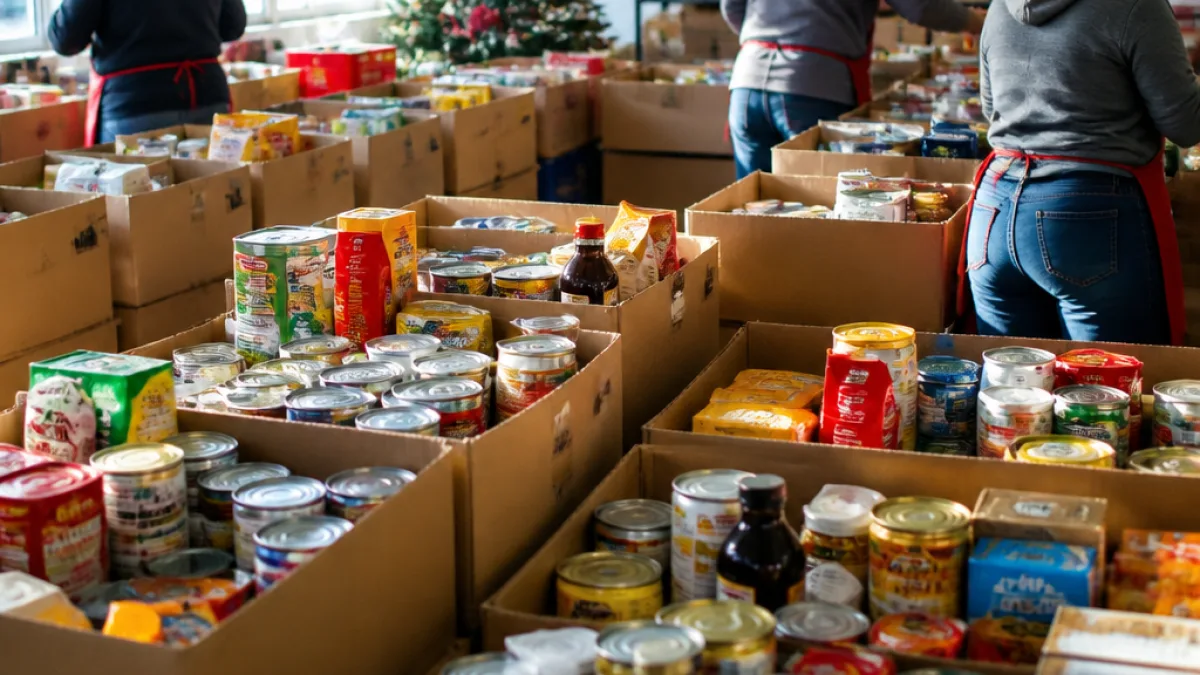
A community food drive in Yellowknife has provided the local Salvation Army with a significant supply of groceries as the organization prepares for the holiday season and continues responding to increased demand. The initiative, held during Thanksgiving weekend at Lakeshore Co-op, involved the sale and return of 600 food hampers donated by shoppers to the organization.
Customers paid $35 for each hamper before giving it back to the Salvation Army. The groceries, supplied by Lakeshore Co-op, had an estimated retail value of about $21,000. The organization expects the donated food to support its food bank for roughly six weeks. That short time frame illustrates both the practical value of the drive and the continuing need for regular donations in a city where household finances are being affected by changes in the regional economy.
“This is a huge help for us right now,” says Major Tony Brushett, executive director of the Salvation Army in Yellowknife.
Food-bank demand linked to economic pressures
The hampers were made up mainly of canned and boxed food. To give clients a broader range of groceries, the Salvation Army added dairy products, bread, cheese and milk. The food will help the organization maintain its regular service while it also prepares for the additional demands associated with Christmas programs, including food and toys for families.
Brushett says the Salvation Army is currently serving between 400 and 450 families each month. He connects the increased need to mine closures and resulting layoffs in a region whose economy depends heavily on gold and diamond mining. Some people who previously had relatively high incomes are now seeking assistance, while former donors are also facing financial strain.
“Unfortunately, some of our previous donors are now recipients of the food bank,” Major Tony adds.
| Food-drive measure | Reported figure |
|---|---|
| Hampers donated | 600 |
| Cost per hamper | $35 |
| Approximate retail value | $21,000 |
| Expected food-bank supply | About six weeks |
| Families served monthly | 400 to 450 |
Support needed beyond one weekend
The drive also reduces the Salvation Army’s need to purchase some food at a time when its resources are being directed toward several community programs. The organization says the Christmas season brings added costs, and Brushett believes some companies that have donated in previous years may not be able to contribute this year because of the situation in Yellowknife.
That uncertainty places greater emphasis on the relationship between charitable organizations, businesses and residents. The hamper program depended on Lakeshore Co-op providing the products and on customers returning their purchases to the Salvation Army. The result was a concentrated contribution that can be distributed through the food bank, but it does not remove the need for ongoing support as households continue to seek help.
- The donated hampers are expected to supply the food bank for approximately six weeks.
- The Salvation Army is serving 400 to 450 families each month in Yellowknife.
- The organization’s Christmas programs include food and toys for families.
- Residents who can help are encouraged to donate online or visit a Christmas kettle when the campaign begins.
Brushett says the Salvation Army intends to continue assisting people who need help. The organization is asking residents who are able to contribute financially to do so through online donations or at a Christmas kettle, which will begin a campaign in the weeks ahead. The timing is significant: the food supplied through the Thanksgiving weekend event offers temporary stability, while the broader economic pressures behind the demand remain unresolved.
For Indigenous and non-Indigenous households alike, access to food assistance is shaped by the cost of living, employment and the strength of local support networks. The Salvation Army’s account does not identify a single solution to the pressure facing Yellowknife families. It does show how quickly a local food bank can require outside help, and how a community contribution can translate into groceries for hundreds of families during a difficult period.