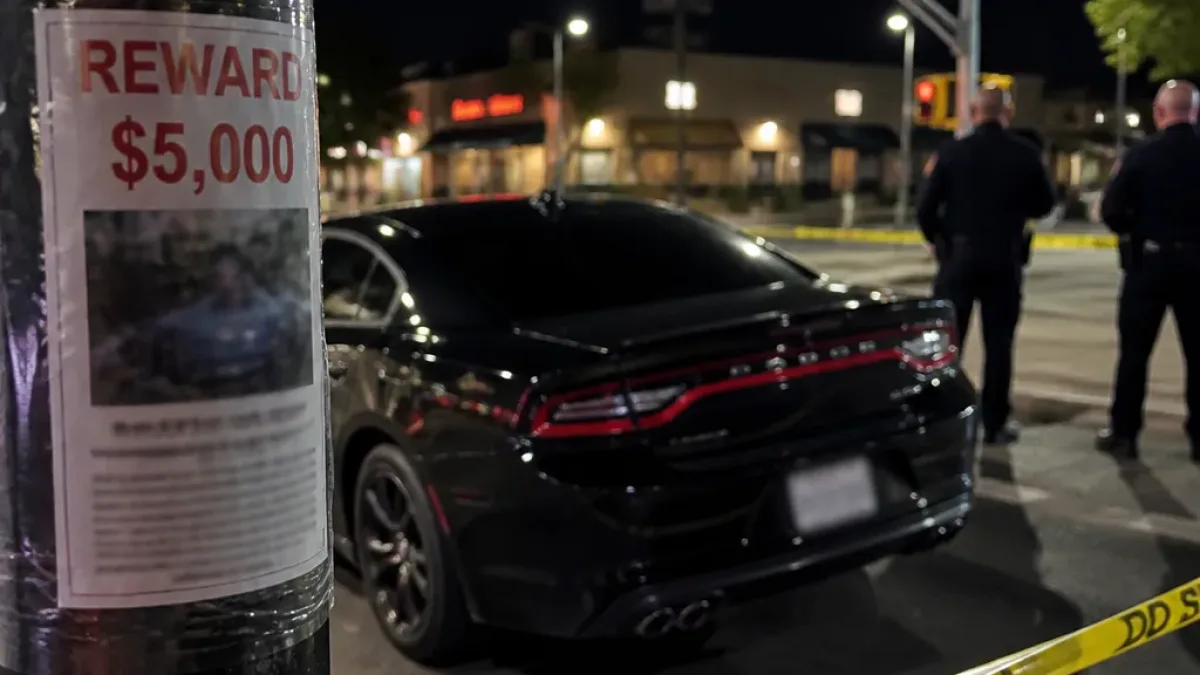
The Federal Bureau of Investigation announced a $10,000 reward Friday for information leading to an arrest in a mass shooting near the Douglass Homes public housing complex that left seven people wounded on Sept. 16, including a 3-year-old boy who is now paralyzed, federal and local authorities said.
Scene and victims
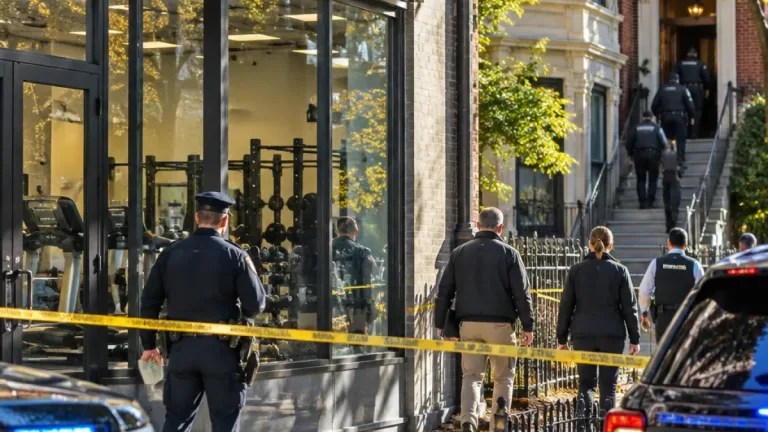
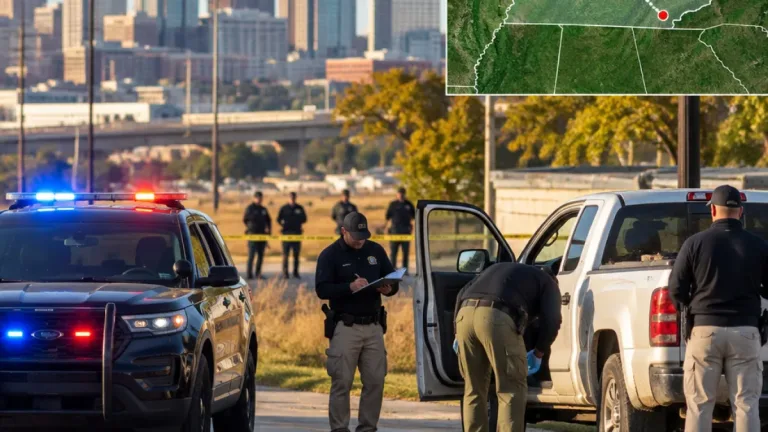
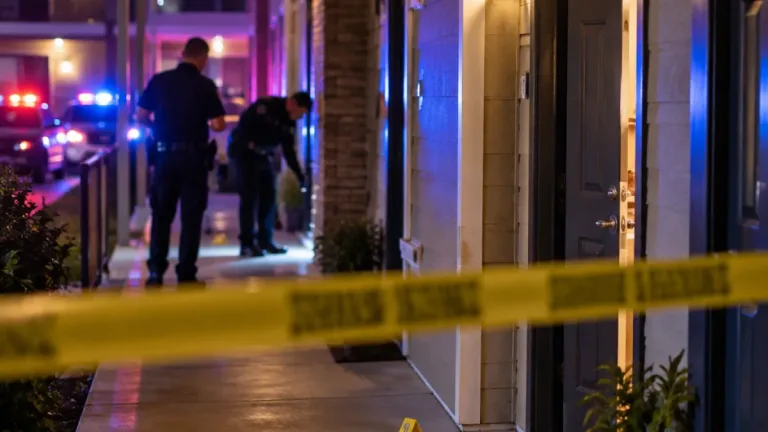
Baltimore police responded to reports of gunfire about 9 p.m. at the intersection of North Caroline and East Fayette streets. Officers discovered multiple people with gunshot wounds and transported victims to area hospitals.
- Victims: Seven people ranging in age from 3 to 43 were hospitalized.
- Condition of the youngest victim: The 3-year-old underwent surgery and has been reported as paralyzed from his injuries.
- Other victims: A 16-year-old girl, an 18-year-old man, two 20-year-old men, a 21-year-old man and a 43-year-old woman suffered non-life-threatening wounds.
“Every single soul in Baltimore should be asking if they know anything about the cowards who shot these seven people,” Mayor Brandon Scott said, calling on the community to help identify suspects.
Federal involvement and tips
The FBI’s announcement supplements a previous reward offered by Metro Crime Stoppers, which had circulated a $7,000 incentive for information. The agency is seeking tips that lead to an arrest or arrests; members of the public can submit information online or call the FBI tip line at 1-800-CALL-FBI.
FBI involvement underscores the gravity of the incident and expands the investigative resources available to Baltimore Police Department detectives. The additional reward is intended to spur witnesses or people with knowledge of the shooting to come forward.
Local reaction and implications for policing
The shooting prompted strong condemnation from city officials and neighborhood residents, who described the attack as “disgraceful.” City leaders appealed for community cooperation to help identify the shooters and to deter future violence.
From a policy perspective, the case raises familiar questions about witness cooperation in violent crimes, the effectiveness of community-based incentives, and how federal assistance is coordinated with local investigations. Rewards can increase tip volume, but detectives still must corroborate information and develop admissible evidence to obtain arrests and prosecutions.
| Victim | Age | Reported condition |
|---|---|---|
| Child | 3 | Paralyzed after surgery |
| Teen | 16 | Non-life-threatening wounds |
| Adult | 18 | Non-life-threatening wounds |
| Adult | 20 (two victims) | Non-life-threatening wounds |
| Adult | 21 | Non-life-threatening wounds |
| Adult | 43 | Non-life-threatening wounds |
Investigators face the challenge of piecing together events from the night of the shooting through forensic evidence, witness statements and potential video or electronic data. Authorities have not released information about suspects or motives. The case remains active, and the FBI and Baltimore police are encouraging anyone with information to come forward.
What residents can do
Authorities emphasize two practical steps for residents who may hold information: reach out to investigators through the FBI tip line or local police, and if possible, preserve any evidence such as phone videos or messages that could be relevant. Community leaders also reiterated the value of neighbors cooperating with law enforcement while seeking safeguards for those who fear retaliation.
The Douglass Homes shooting has drawn renewed attention to the city’s broader public-safety efforts and the persistent toll of gun violence on families and neighborhoods. As the investigation proceeds, the additional federal reward aims to sharpen leads and move the case toward arrests and accountability.