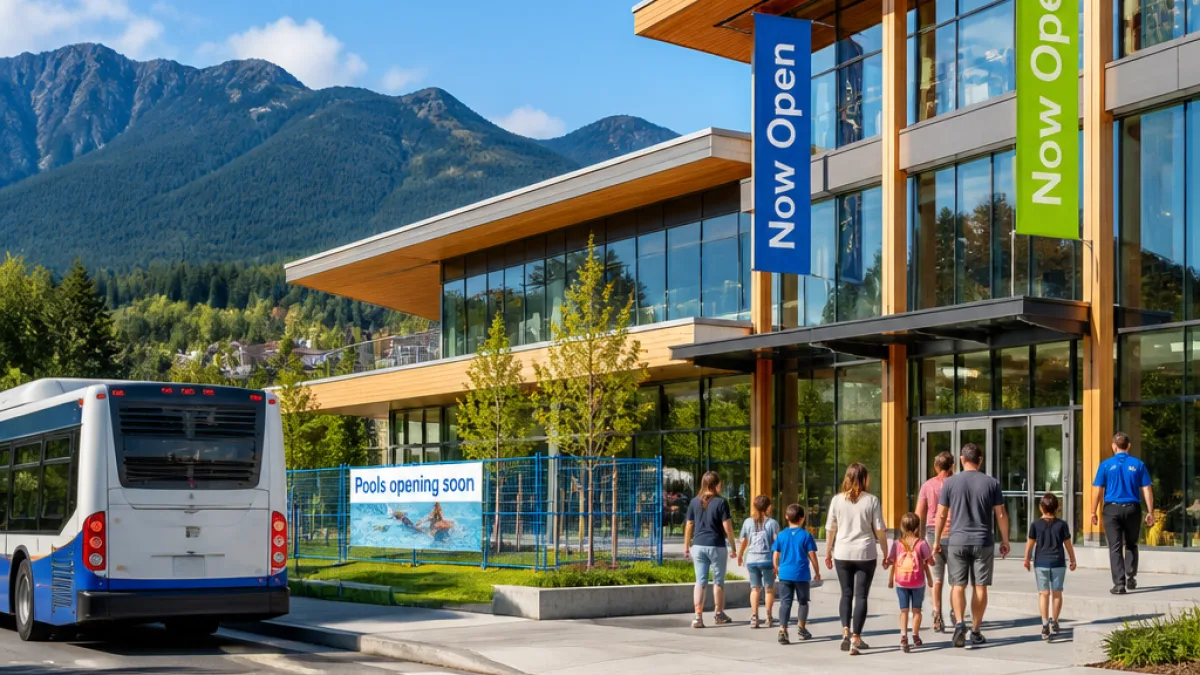
The Trʼondëk Hwëchʼin First Nation officially opened a new family services building in Dawson City on the National Day for Truth and Reconciliation, unveiling a space intended to provide culturally grounded, wrap-around supports for citizens of all ages.
Design rooted in language and relationship
Named Ni’ehłyat Nidähjì’ — which translates as “Our Families, Our Future” in the Hän language — the facility welcomed its first visitors during the grand opening when an elder and a child entered hand in hand. Acting family services director Donald Robert described the image as a meaningful symbol of the building’s purpose.
“It gave the meaning of what our building wants to be, but also gave the meaning of what our program should be,”
The timing of the opening on a day reserved for reflection and remembrance underscores leadership’s view that this centre forms part of broader healing work. Erin McQuaig, deputy chief of Trʼondëk Hwëchʼin, said true reconciliation includes dedicated spaces and sustained funding where harms can be addressed and brighter futures grown.
Programs, priorities and practical services
The family services department was established around 2022. The new building will deliver voluntary programs designed to support children, youth and new parents while reconnecting families with history, language and ceremony.
Services that have been announced include:
- Pre- and post-natal supports for parents and parents-to-be
- Cultural programming focused on Hän language, ceremony and traditions
- Family wellness and counselling services
- Nutrition programs and community meal initiatives
- Opportunities for intergenerational activities and skill-sharing
Staff have emphasised a welcoming, home-like interior to encourage community members to access supports without stigma. While the department’s programming is voluntary, leaders say the design aims to reduce barriers to participation by situating cultural supports alongside conventional services.
How the centre fits into Yukon needs
Rural and northern communities face unique logistical and social challenges — long travel distances, high costs for services and the erosion of language and cultural continuity. Indigenous-led family services in the North often combine practical supports with culturally specific healing practices to better meet local realities.
In Dawson City, where generations of Hän and other Indigenous families live with the legacy of residential schools and colonial policies, the Ni’ehłyat Nidähjì’ facility represents a concrete investment in returning care and ceremony to the centre of family support. Community leaders say that locating programs within a culturally affirming space will help rebuild trust in services and encourage participation.
Operating structure and next steps
Donald Robert and his team have been shaping the department’s programming since its inception in 2022. The expansion into the new building marks a scaling up of services: leaders plan to roll out additional cultural workshops, parenting circles and youth initiatives over the coming months. The building will also serve as a hub for referrals, connecting clients to external health, legal and social resources as needed.
| Audience | Primary offerings |
|---|---|
| New and expecting parents | Pre-/post-natal care, nutrition supports |
| Children and youth | Cultural programming, wellness activities |
| Families and elders | Intergenerational events, ceremony, counselling |
Leaders did not announce specific funding sources at the opening, but the First Nation has framed the centre as part of an ongoing commitment to restore cultural continuity and social supports through community-driven programming.
Community response and broader significance
Members attending the opening described the space as warm and intentionally domestic, chosen to feel like home rather than an institutional office. The choice to open on the National Day for Truth and Reconciliation was deliberate: officials framed the facility as one of many steps required to repair relationships damaged by colonial policies and to nurture future generations.
For Dawson City residents and Trʼondëk Hwëchʼin citizens, Ni’ehłyat Nidähjì’ is positioned as both a practical resource and a statement about self-determination in care. As programming ramps up, the community will be watching how the combination of cultural and wrap-around services affects participation, wellness outcomes and intergenerational connection.
The building is now open to Trʼondëk Hwëchʼin citizens. Those seeking information about specific services or schedules are encouraged to contact the First Nation’s family services department directly for details and how to access supports.